
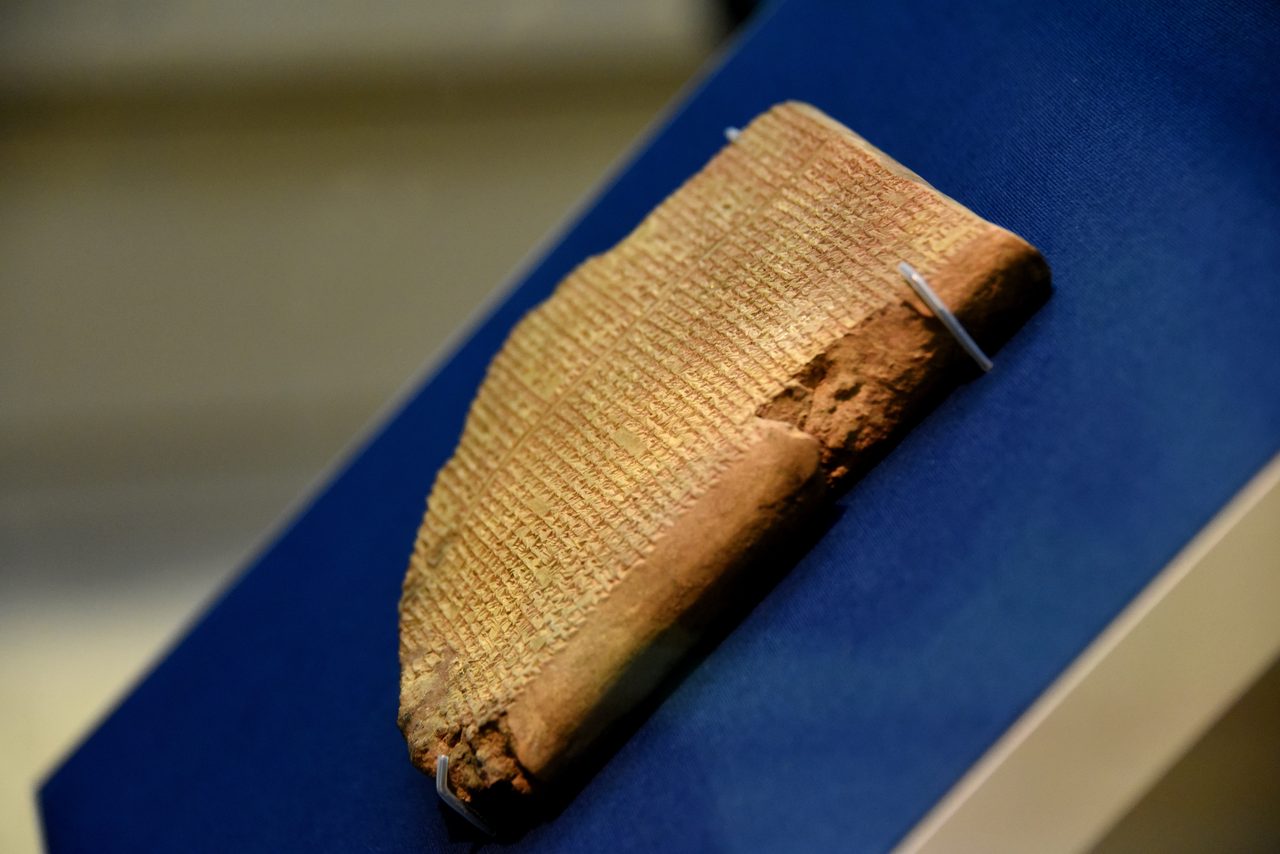
The Sacred
Scripture, myth, and the secret schools that carried real knowledge under religious cover, from the Sumerian deluge tablets to the mystery cults of the ancient Mediterranean. This wing takes belief seriously enough to actually check it against the evidence.
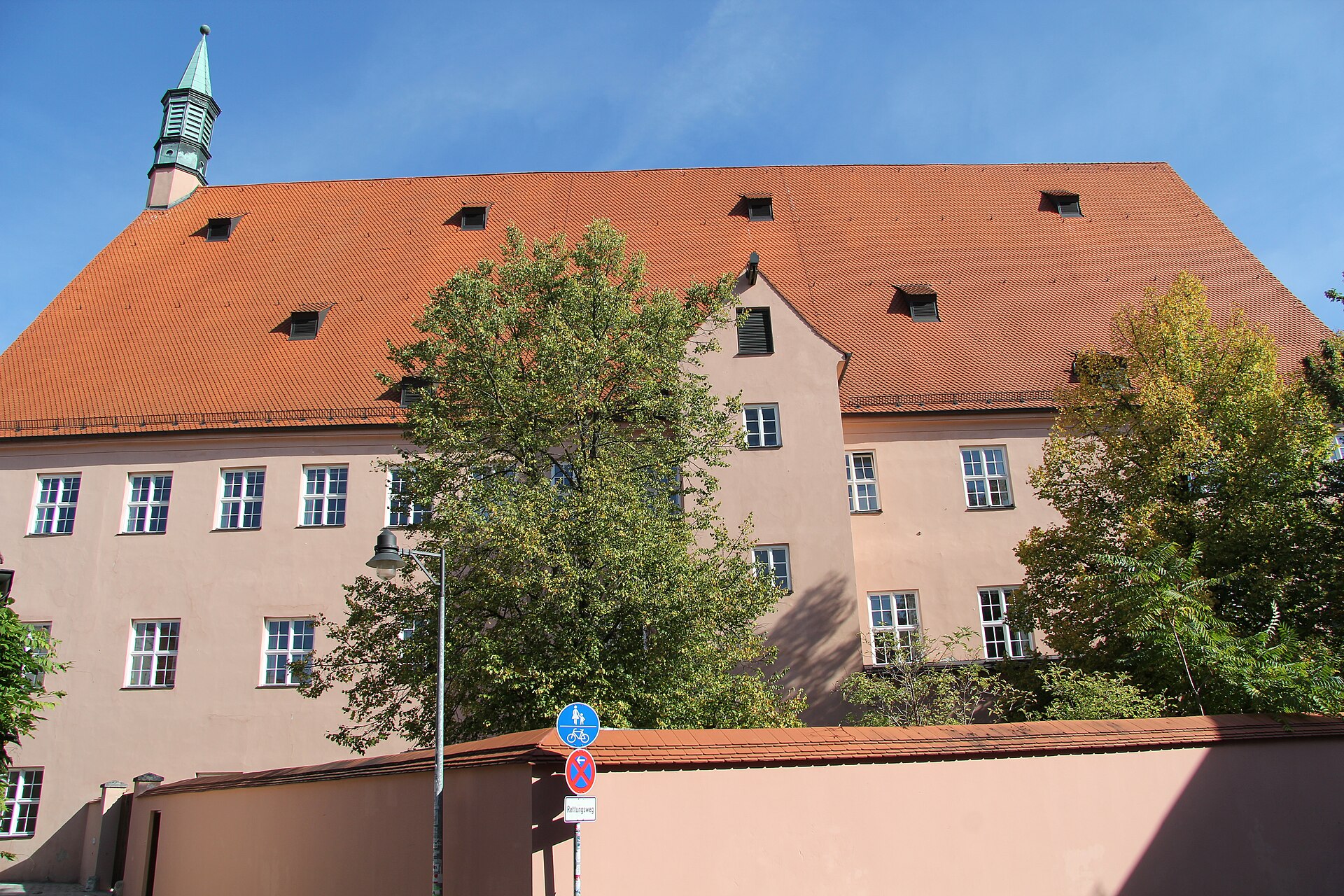
Nine Years, And Then Two Centuries Of Rumour
The Illuminati existed for nine years. Five students, a professor of canon law, a falling-out, a few defectors, and an Elector's edict. They killed nobody and overthrew nothing, and the most famous man who ever joined signed up at the lowest grade and drifted away. Everything else you have heard began with two books published in 1797, twelve years after the order was already gone.
The Book Of Enoch: Quoted By Scripture, Left Out Of It
A book the New Testament quotes and the canon rejected, kept alive in Ge'ez.
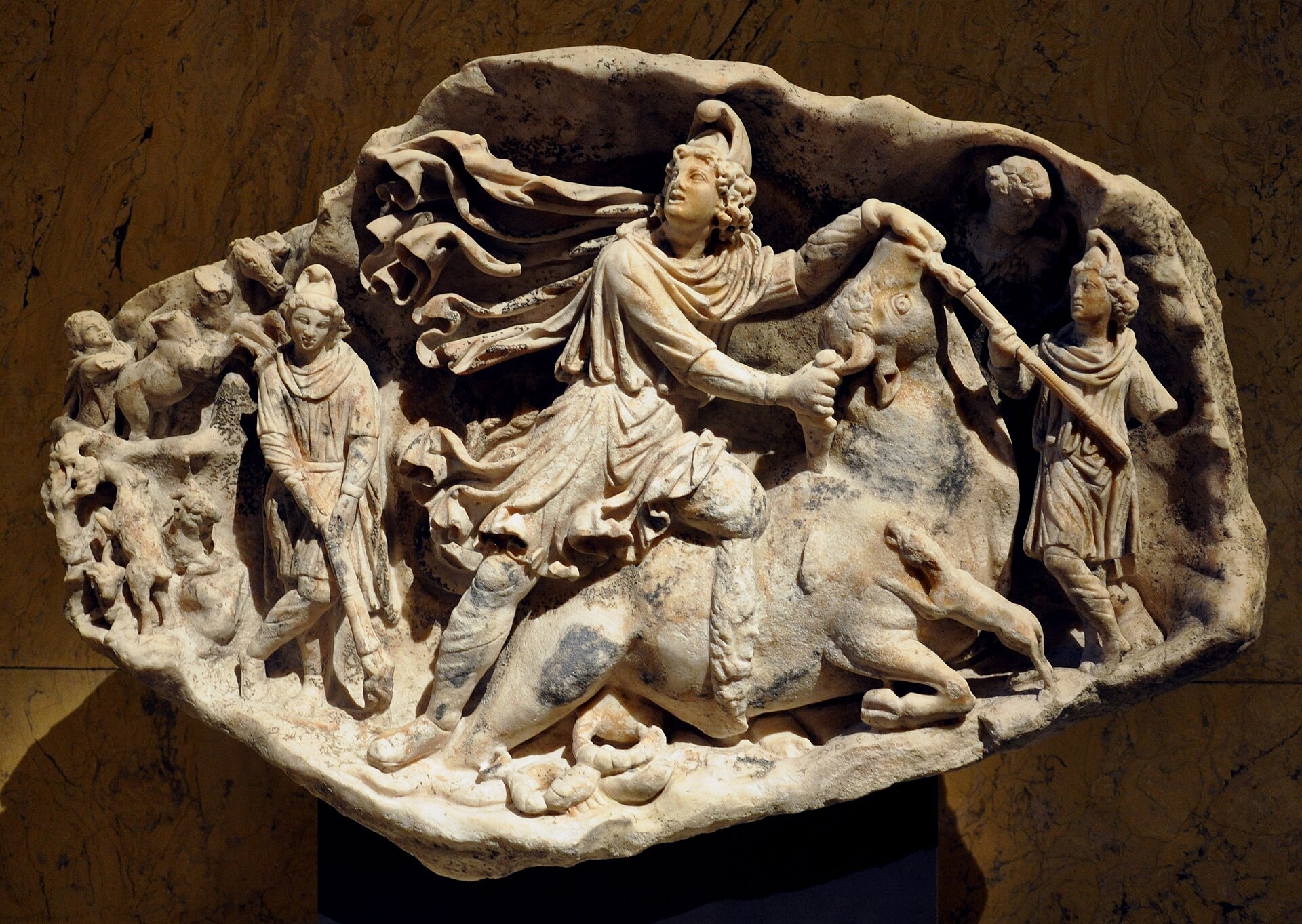
Four Hundred Caves And Not One Sentence
For three centuries, Roman men went down into small windowless rooms, ate together on stone benches, and looked at a picture of a god killing a bull. Over 420 of those rooms survive. Not one line of their liturgy does. Here is what the architecture and the pictures can tell us, what three generations of scholars have argued about, and what is simply not known.
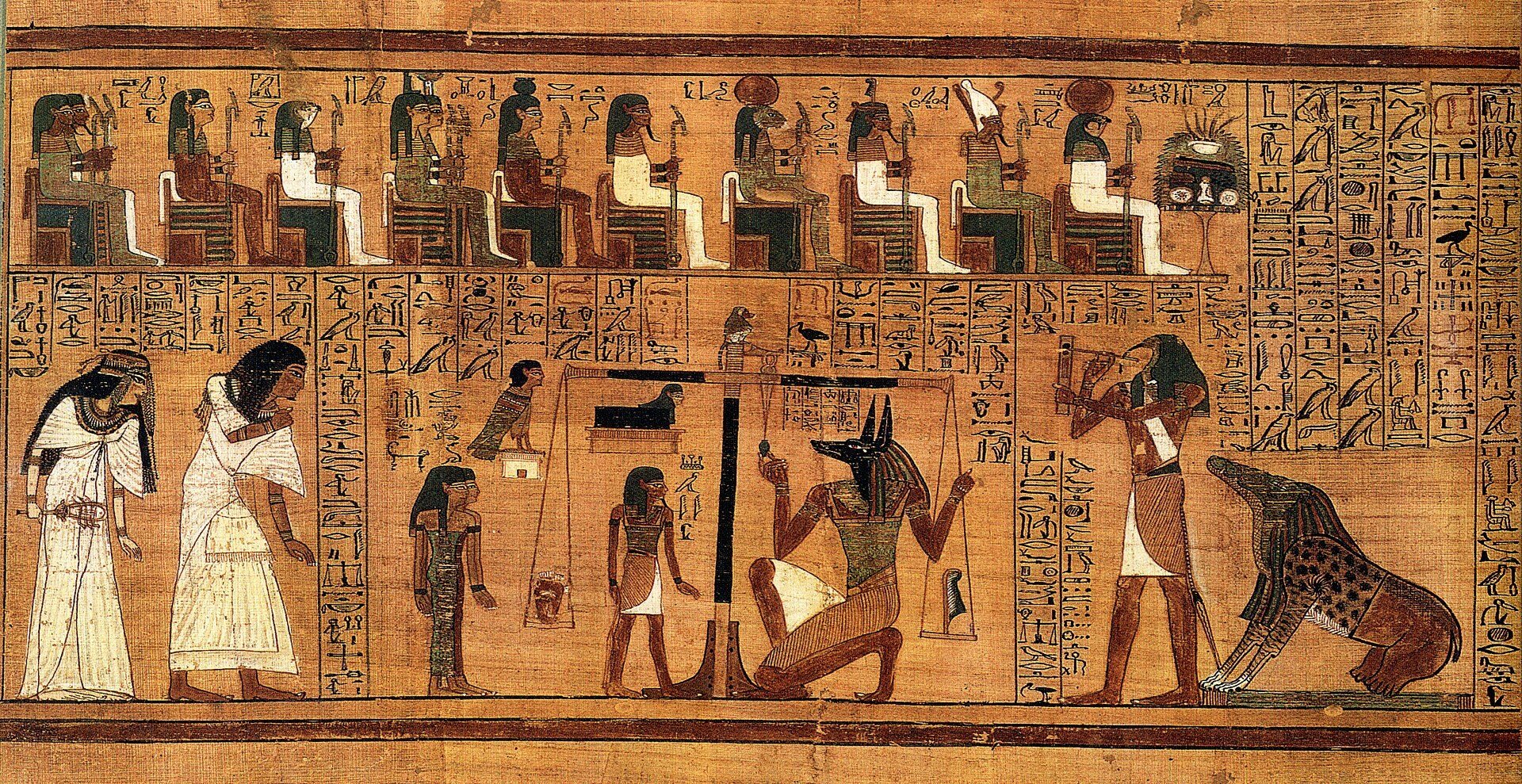
Coming Forth By Day
It is not called the Book of the Dead, and it is not a book. Pert em Hru means Coming Forth by Day. There is no canonical version, every copy is different, and there was a budget edition for people who could not afford the full set of spells. Here is what is actually in it, including the spell that stops your own heart testifying against you at judgement.
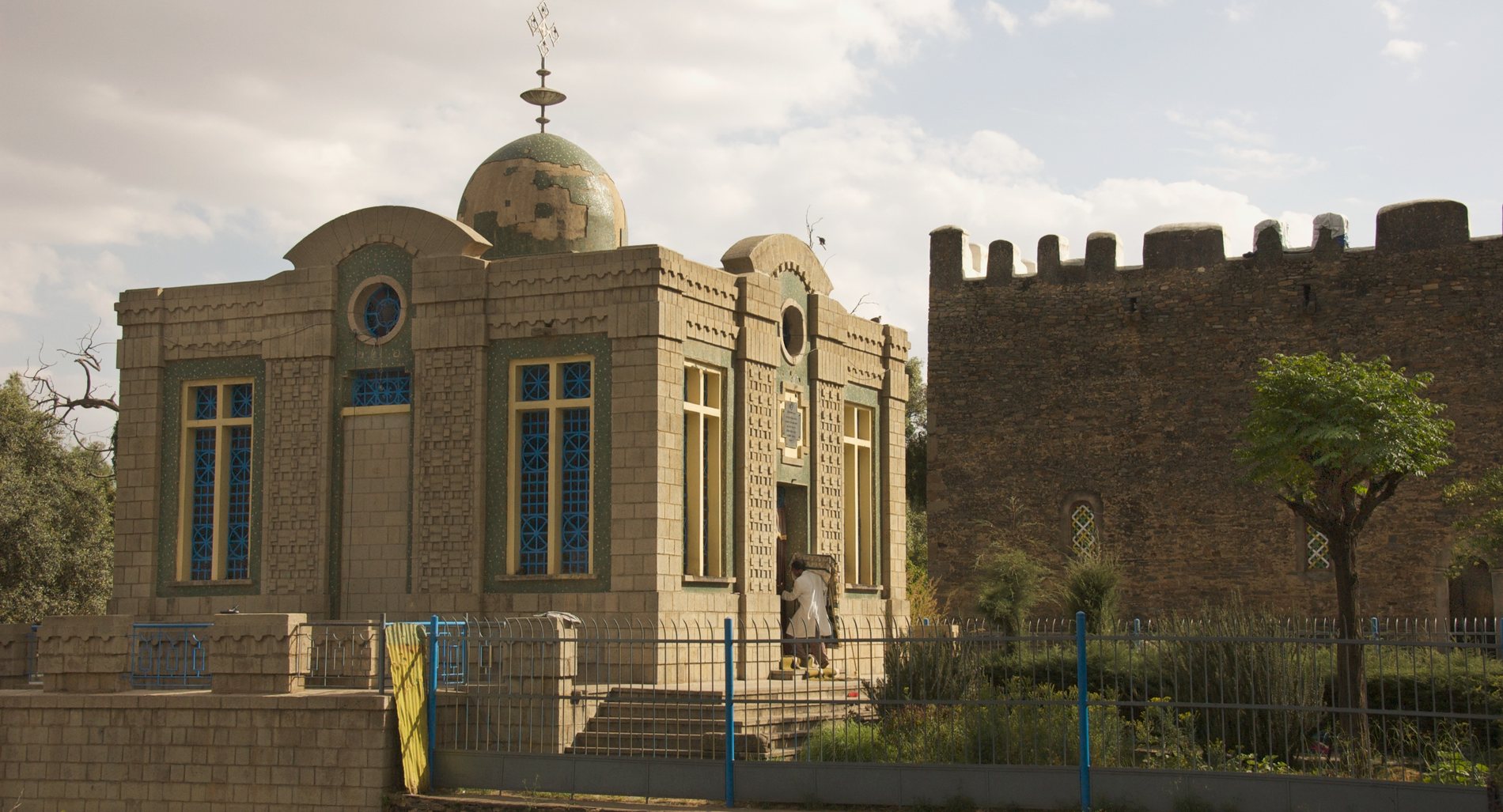
One Monk, One Room, And Nobody Else Goes In
A book from the 1300s says the Ark of the Covenant is in a chapel in Ethiopia, guarded by one monk who never leaves and is the only person allowed to look at it. What that claim rests on, exactly.
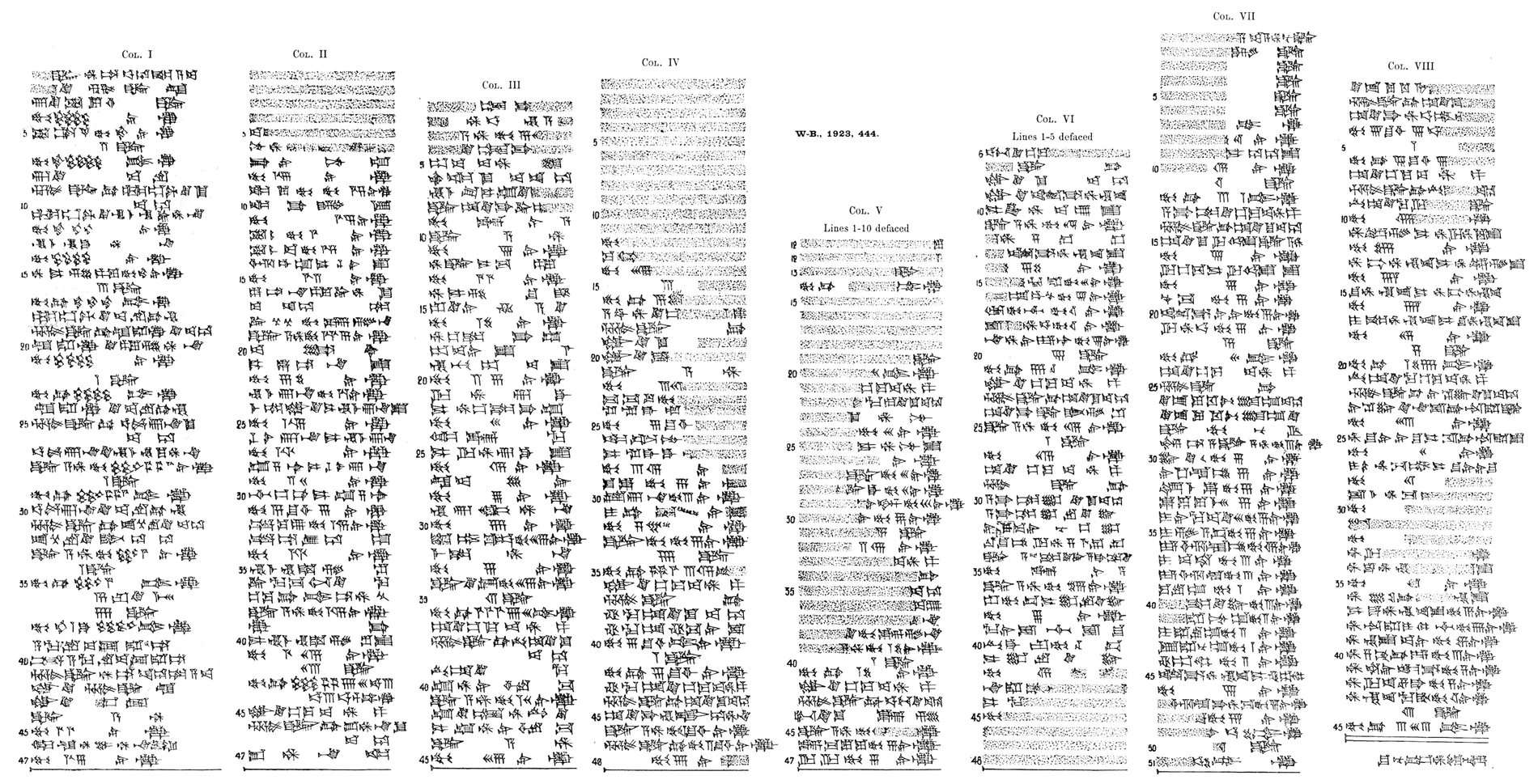
Every Reign Is A Multiple Of Thirty Six Hundred
Kings who reigned 28,800 years, on a real prism in a real museum. The numbers are not a credulous age miscounting. They are arithmetic, and every one divides by 3,600.
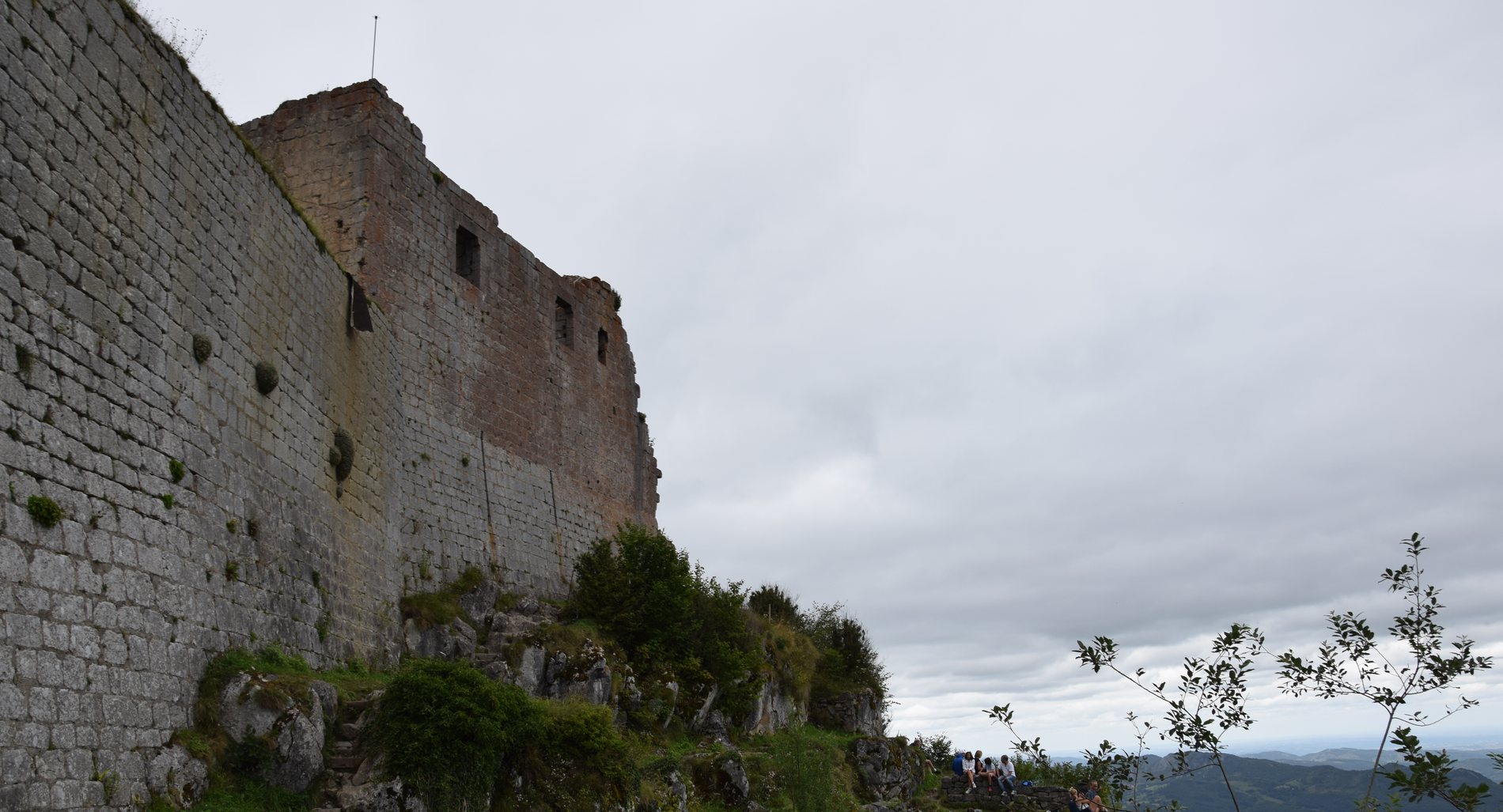
Everything We Know Came From The People Who Burned Them
Their own scriptures were destroyed. Almost everything known about Cathar belief comes from the records of the Inquisition that exterminated them, which is why historians now argue about whether the Cathars existed as described.
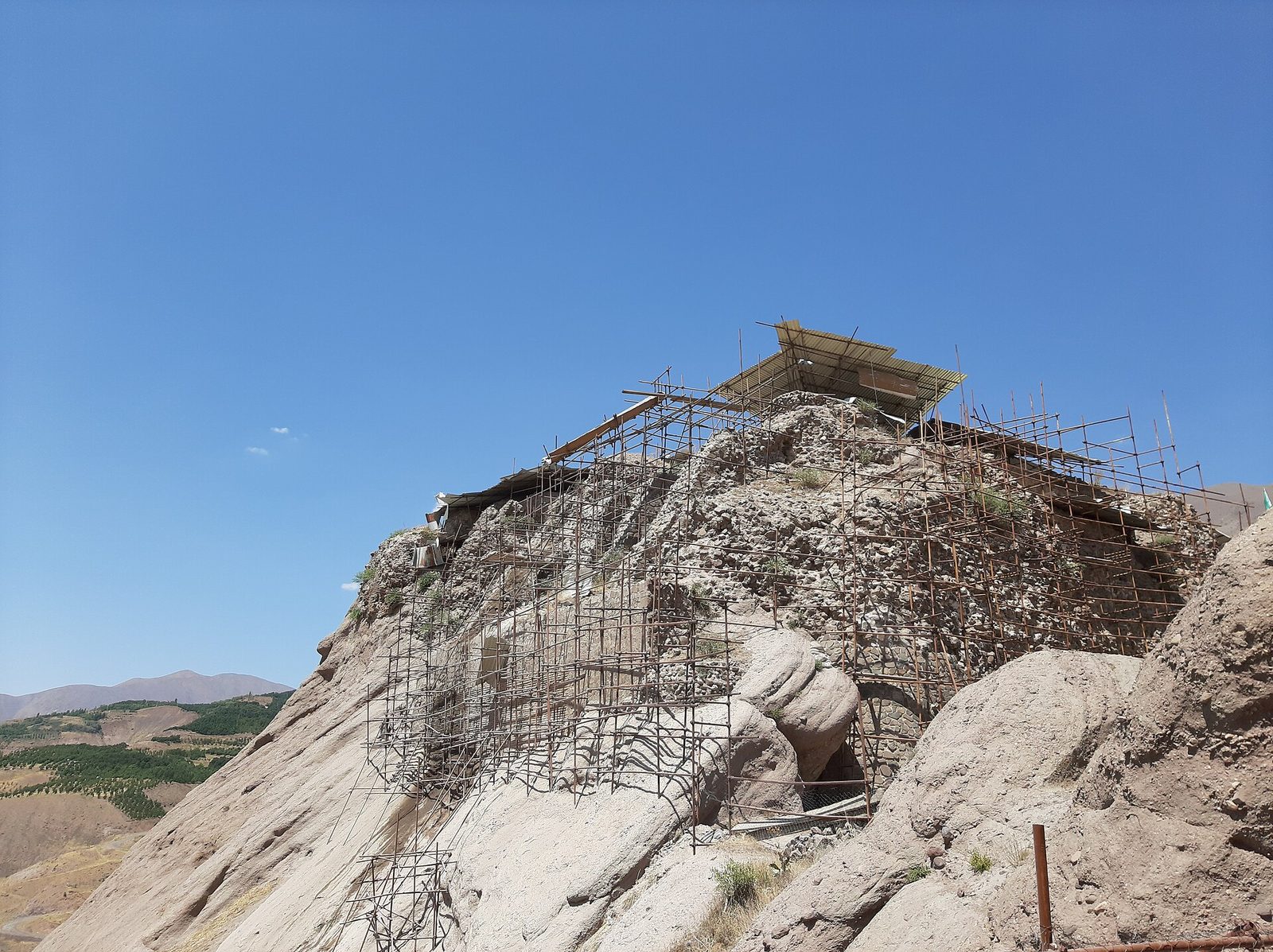
The Assassins: A Real State Buried Under a Better Story
A real medieval state, a slur for a name, and a garden nobody has ever found.
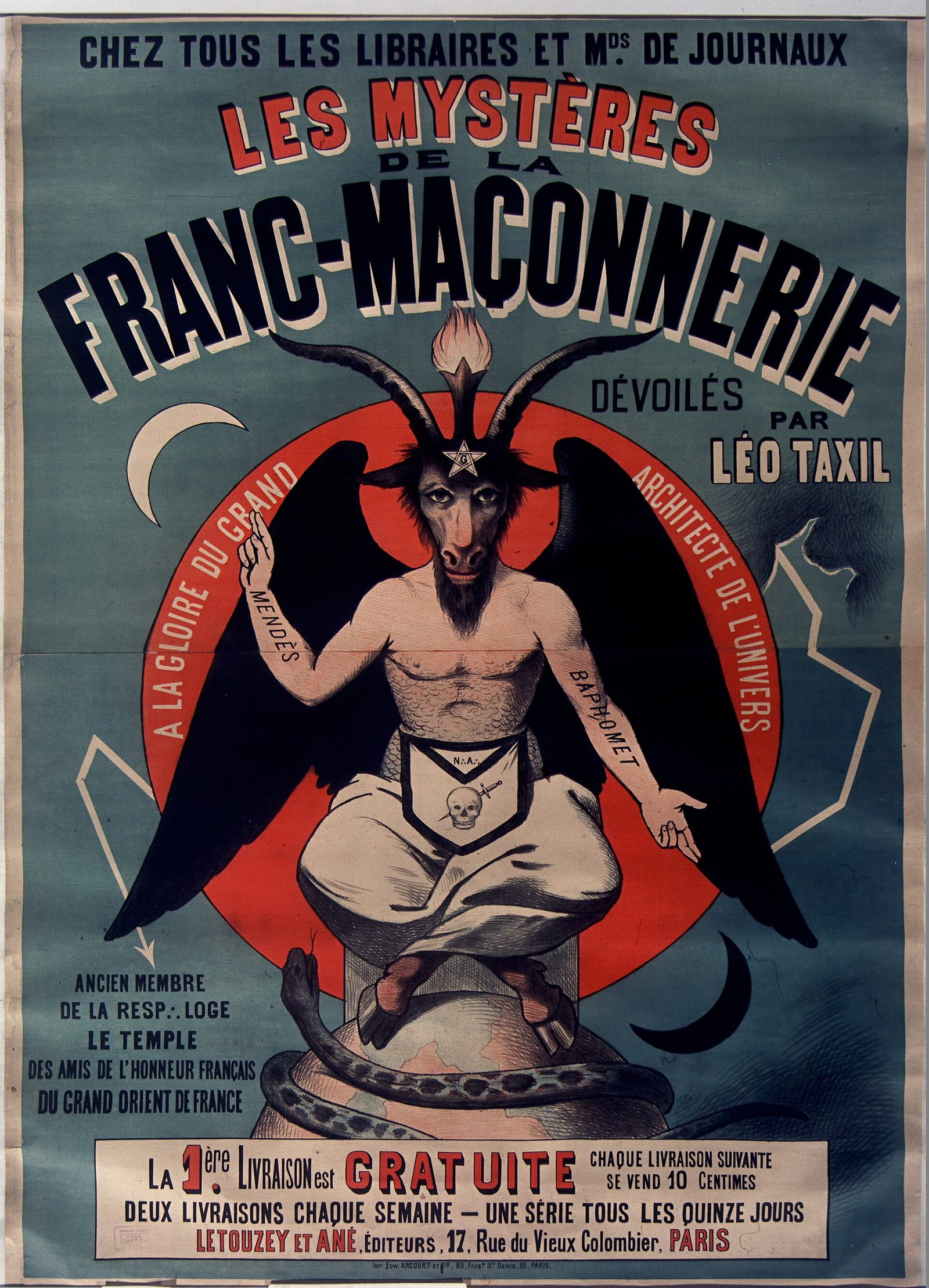
Freemasonry: The Devil Was Drawn to Sell a Subscription
The goat-headed devil everyone associates with Masonry was drawn for a part-work sold at ten centimes an instalment. Its author confessed.
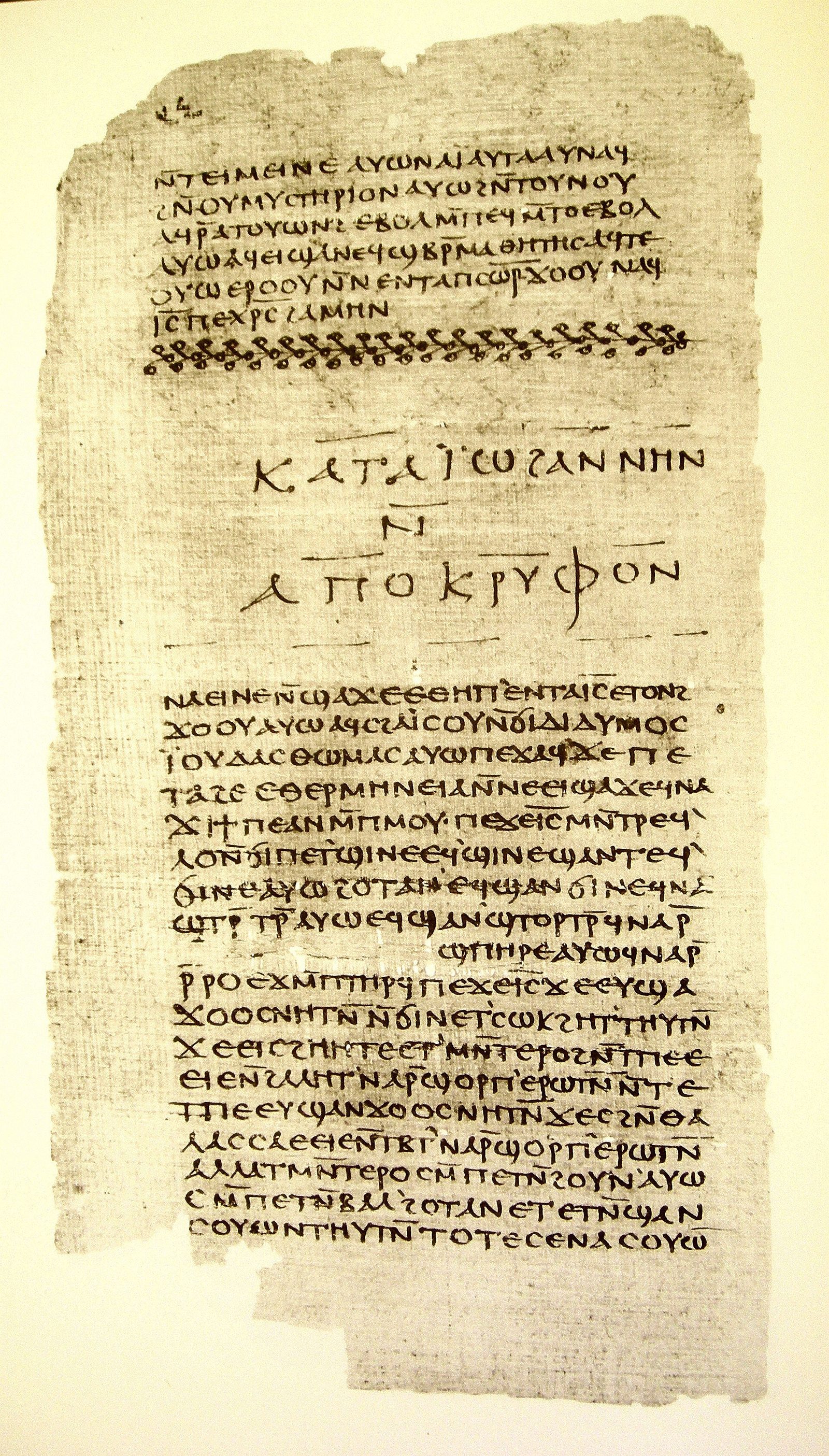
Nag Hammadi: The Monks Were Reading Them
Not forbidden books smuggled out of an orthodox monastery. Books inside one, in use, according to the manuscripts themselves.
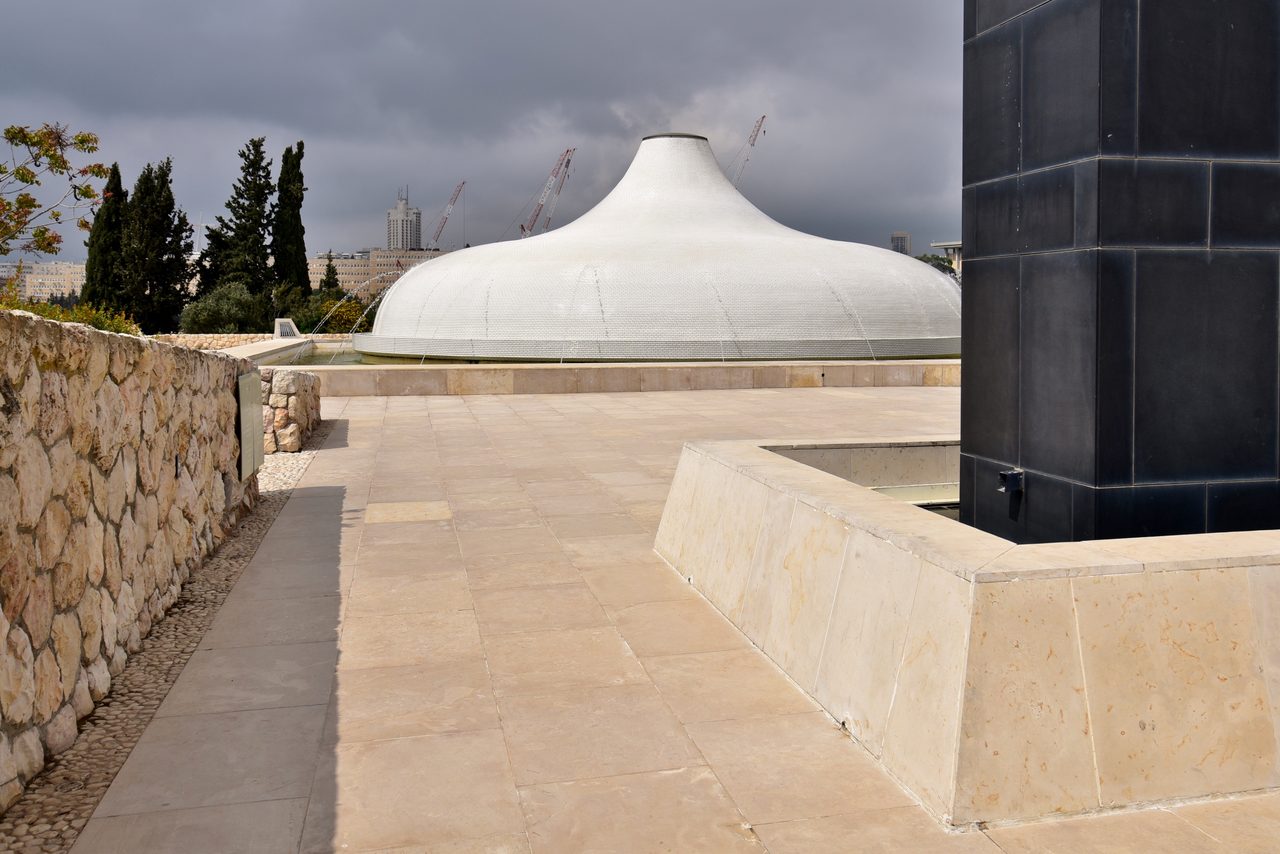
The Dead Sea Scrolls: The Bible Before the Bible
A shepherd threw a rock into a cave and heard it strike pottery. Eleven caves later: more than 900 manuscripts, and biblical text a millennium older than anything previously known. Every claim gets a tier.
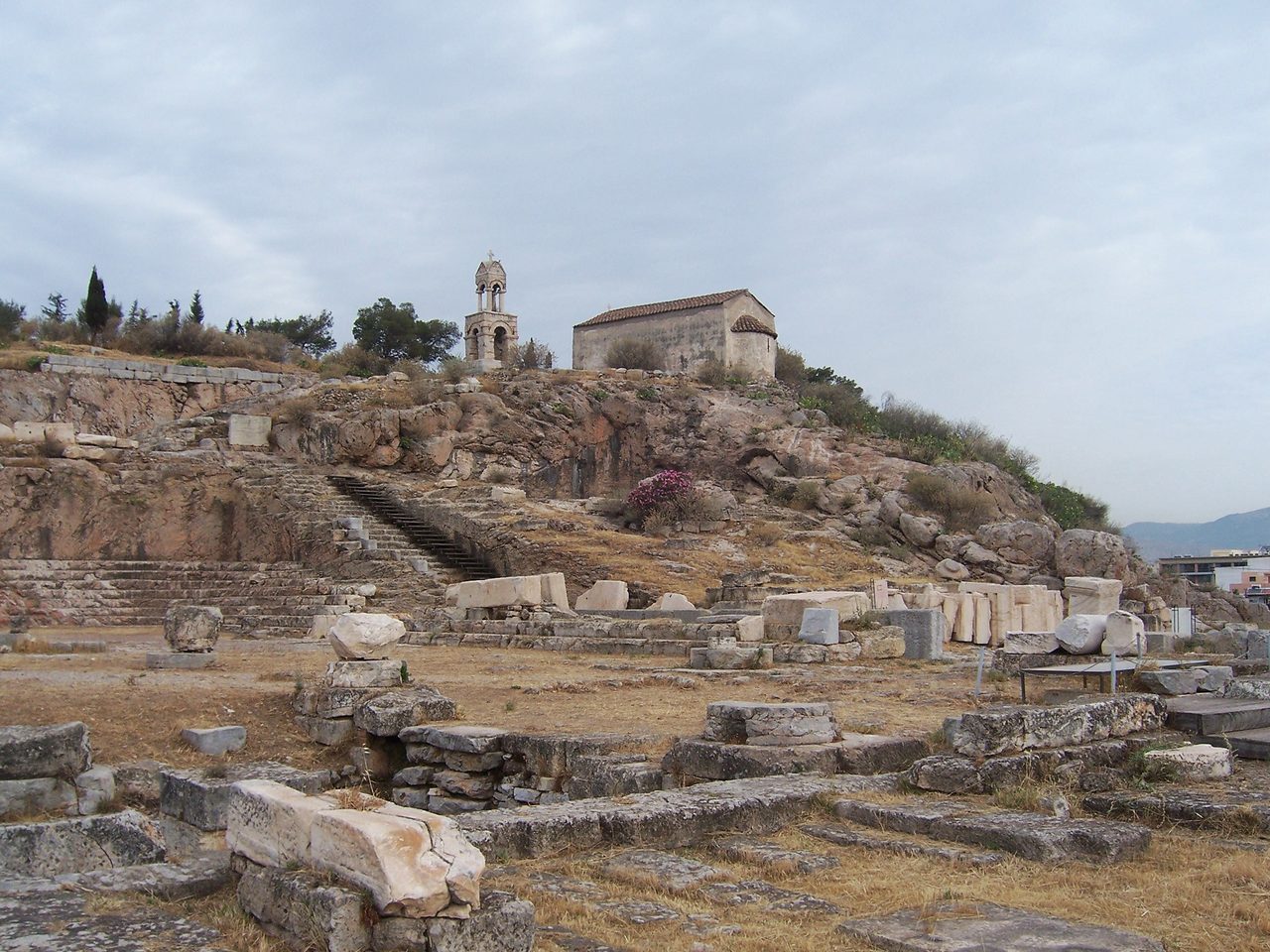
The Eleusinian Mysteries: The Secret Greece Kept for 2,000 Years
Millions were initiated across roughly 2,000 years, from Sophocles to Marcus Aurelius, and not one of them ever wrote down what was shown inside the hall. Every claim about it, the ergot included, gets a tier.
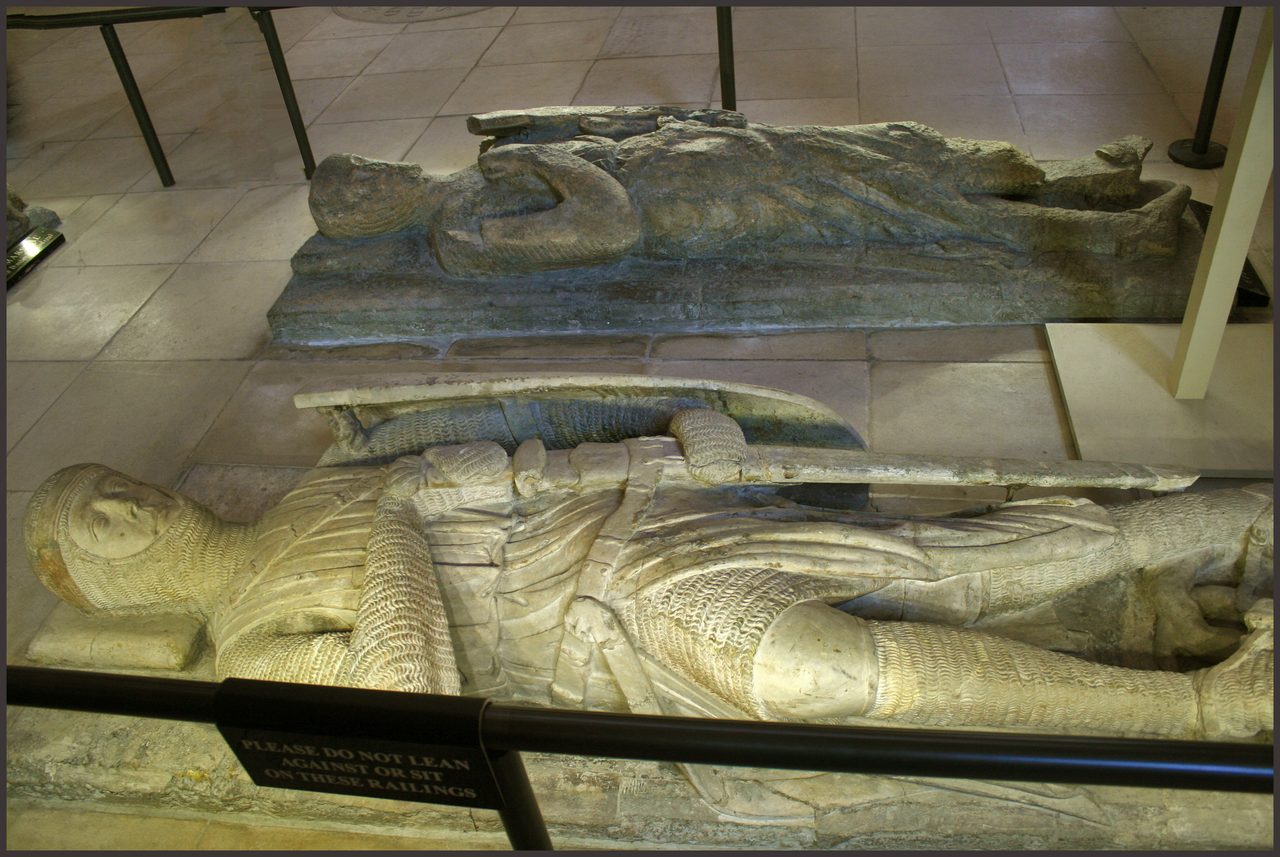
The Knights Templar: The Order Destroyed on Friday the 13th
They pioneered the letter of credit, ran the treasury of France, and were arrested in a single coordinated morning. A pope privately absolved them, then abolished them anyway, and the proof sat misfiled for centuries.
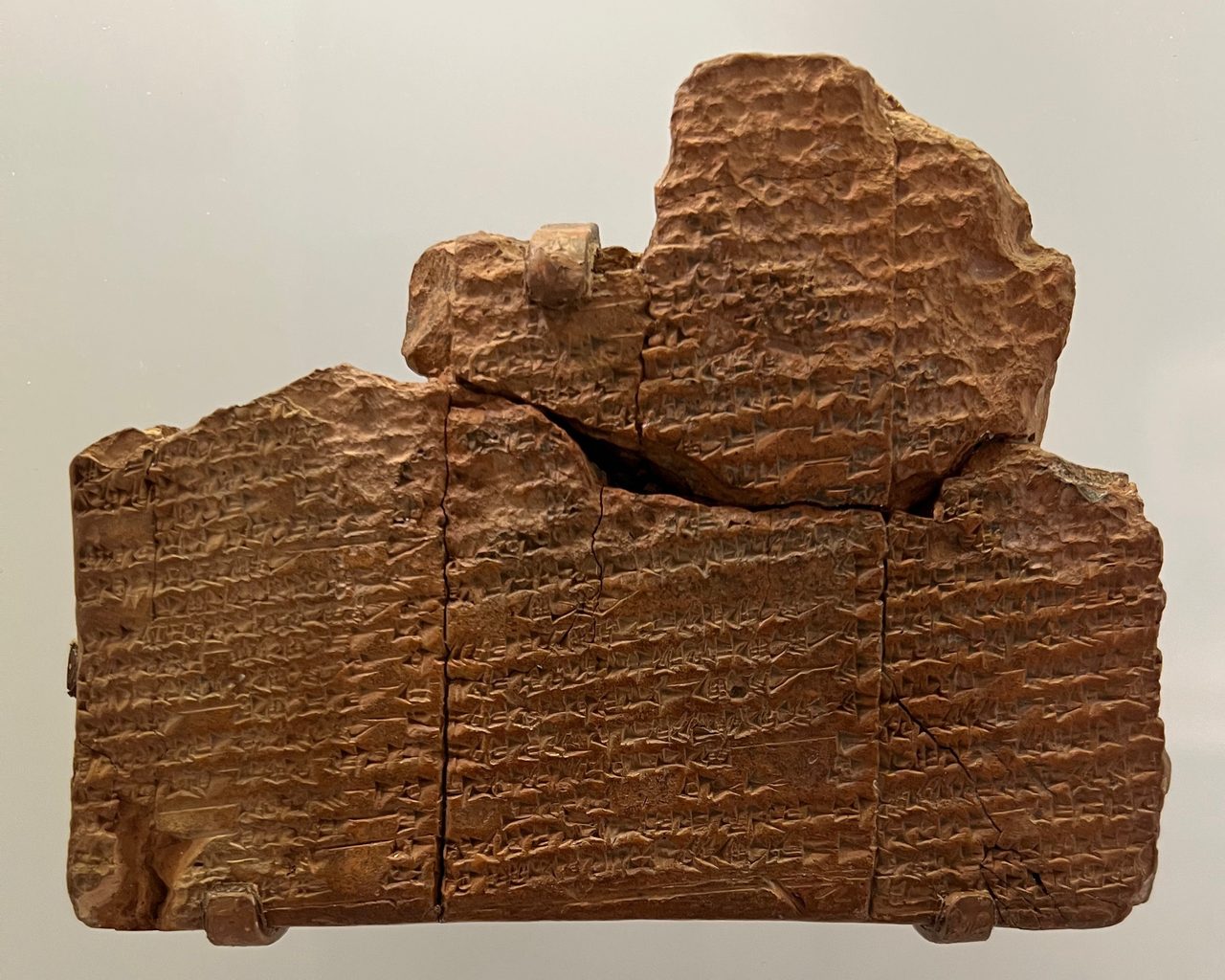
The Great Flood: The Story Every Civilization Remembers
The same sequence turns up in cuneiform, in Genesis, in Sanskrit, in Greek, in Chinese and in oral traditions from Australia to the Andes. Diffusion, independent invention, or a real event? Every claim gets a tier.
The Epic of Gilgamesh: The Oldest Story Ever Written
A god warns one man to build a boat, birds are sent out, a serpent steals immortality. The tablets left the ground in 1853 and stayed unreadable until 1872, and every claim about them gets a tier.