
The Living World
From the first self-replicating cell to the deep-sea biosphere we have barely mapped: origins, evolution, DNA, and ecology in one connected story. This wing is the long version of the answer to where a living thing actually comes from.
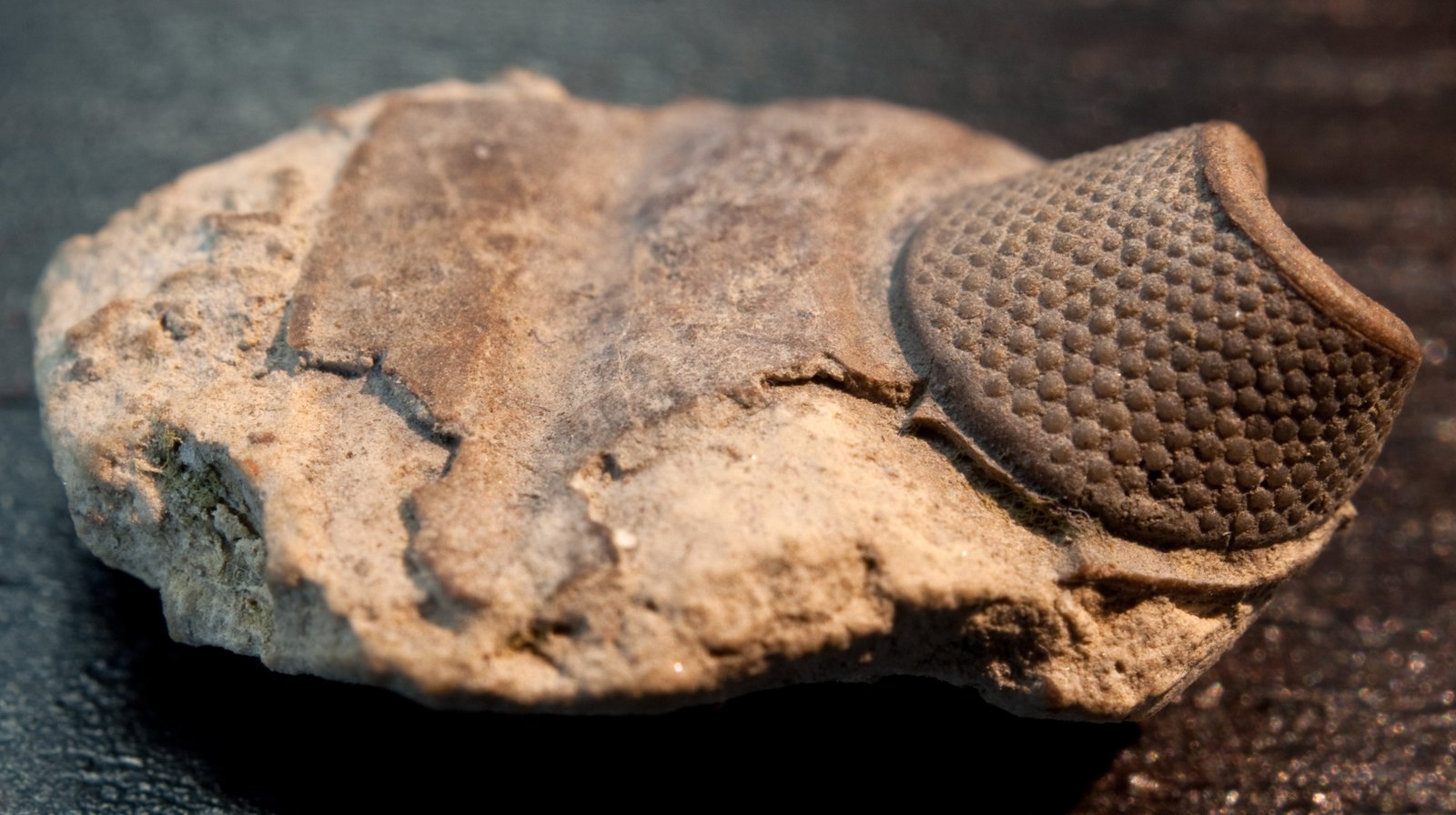
Three Billion Years Of Nothing With A Body
Three billion years of single cells. Then, in about twenty million years, nearly every animal body plan there has ever been. The fossils, the four explanations, and one research file that denies the argument it is built on.
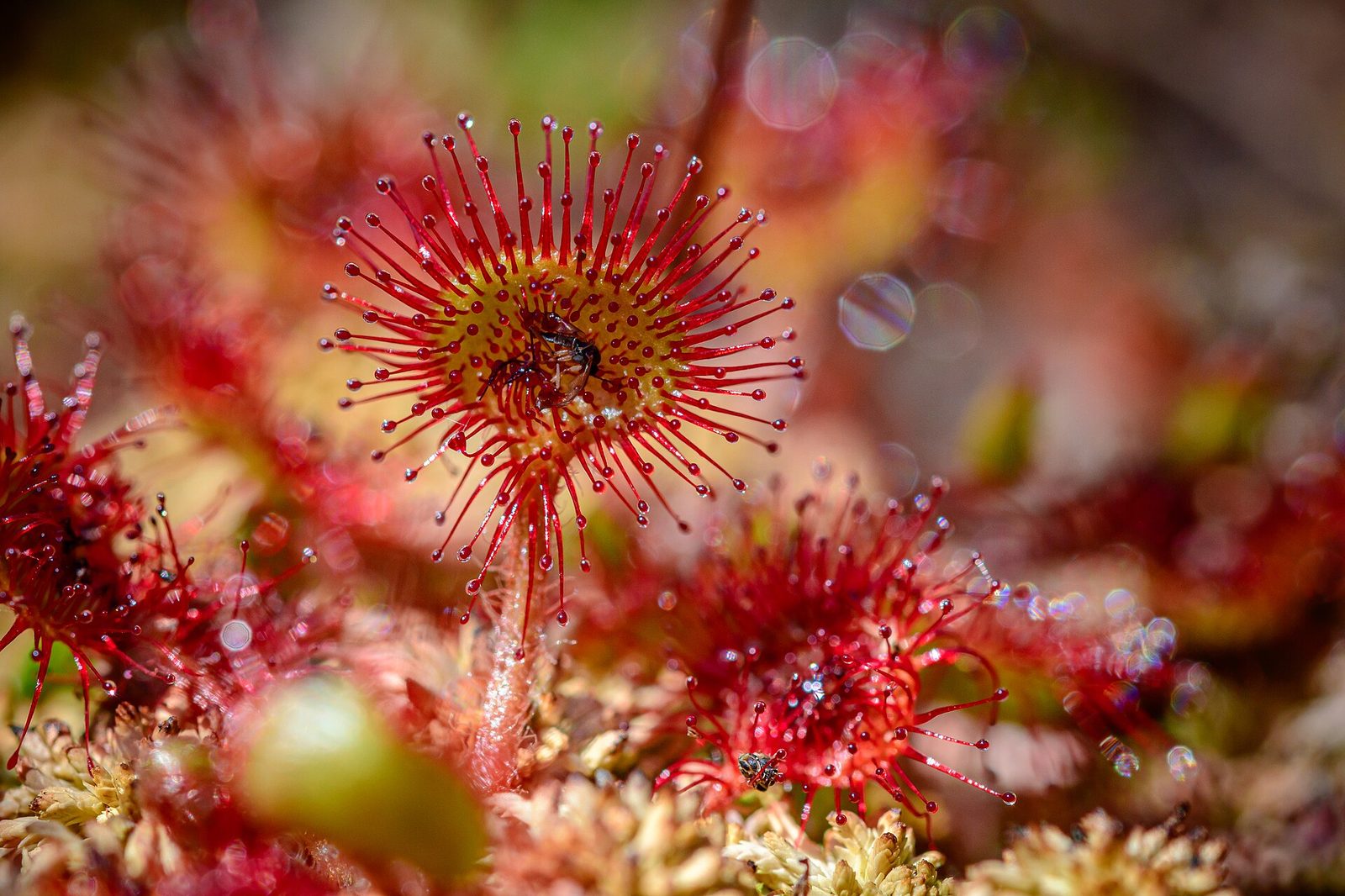
The Plant That Counts To Five
About eight hundred plants eat animals, and the habit was invented at least twelve separate times. The Venus flytrap does not pull itself shut, it releases a stored shape in a tenth of a second, and it counts the touches on its trigger hairs: two to close, three to seal, five to start digesting. Bladderworts are two hundred times faster. Here is what is settled, what is argued, and what our own sources got wrong.
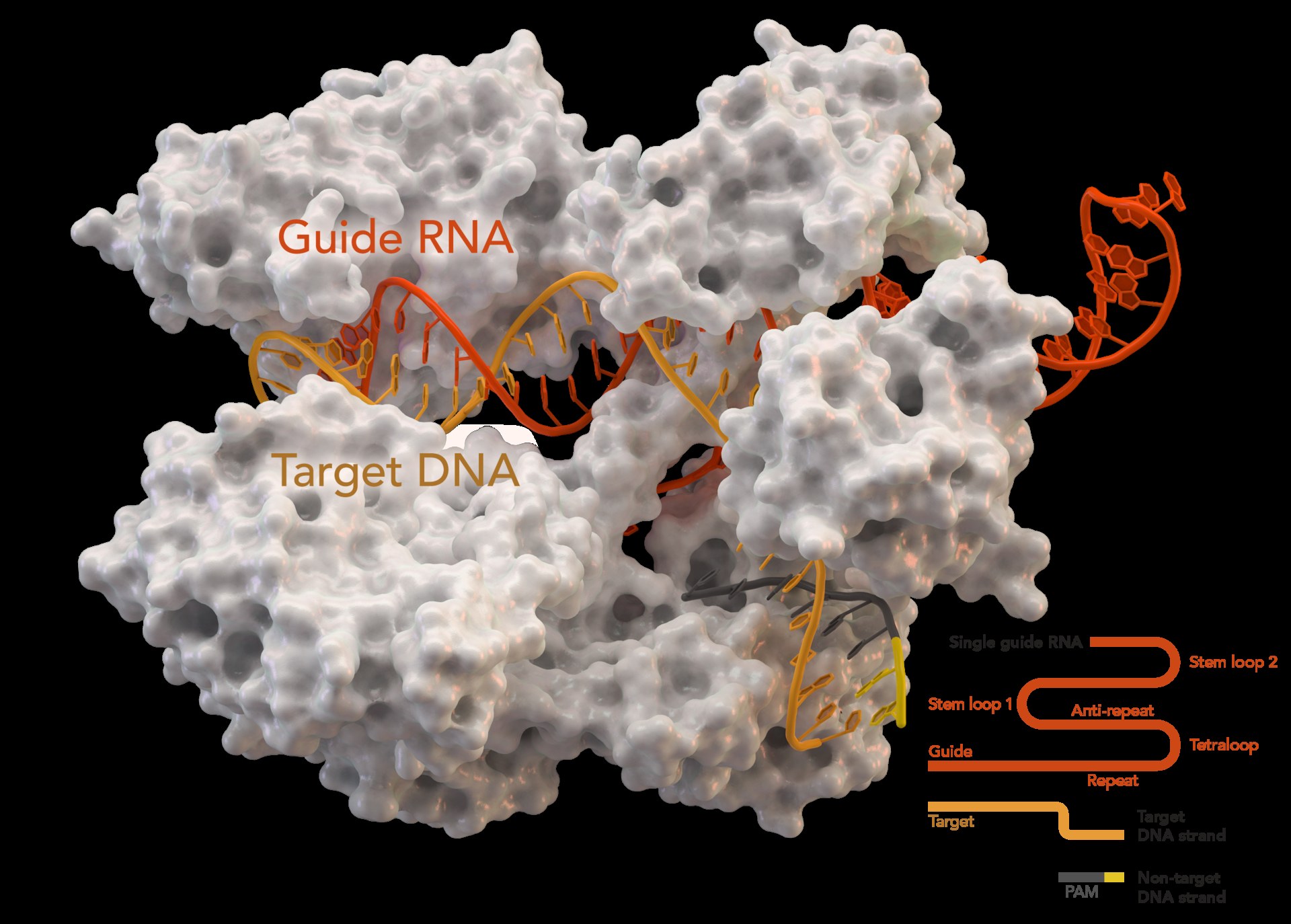
A Memory Of Every Virus
A bacterium under viral attack cuts a piece out of the virus and files it in its own chromosome, where its descendants inherit it. That archive of captured scraps is an immune system with a memory, and it is where CRISPR comes from. Here is how the machine actually works, why it is not molecular scissors, and what happened when we checked our own sources.
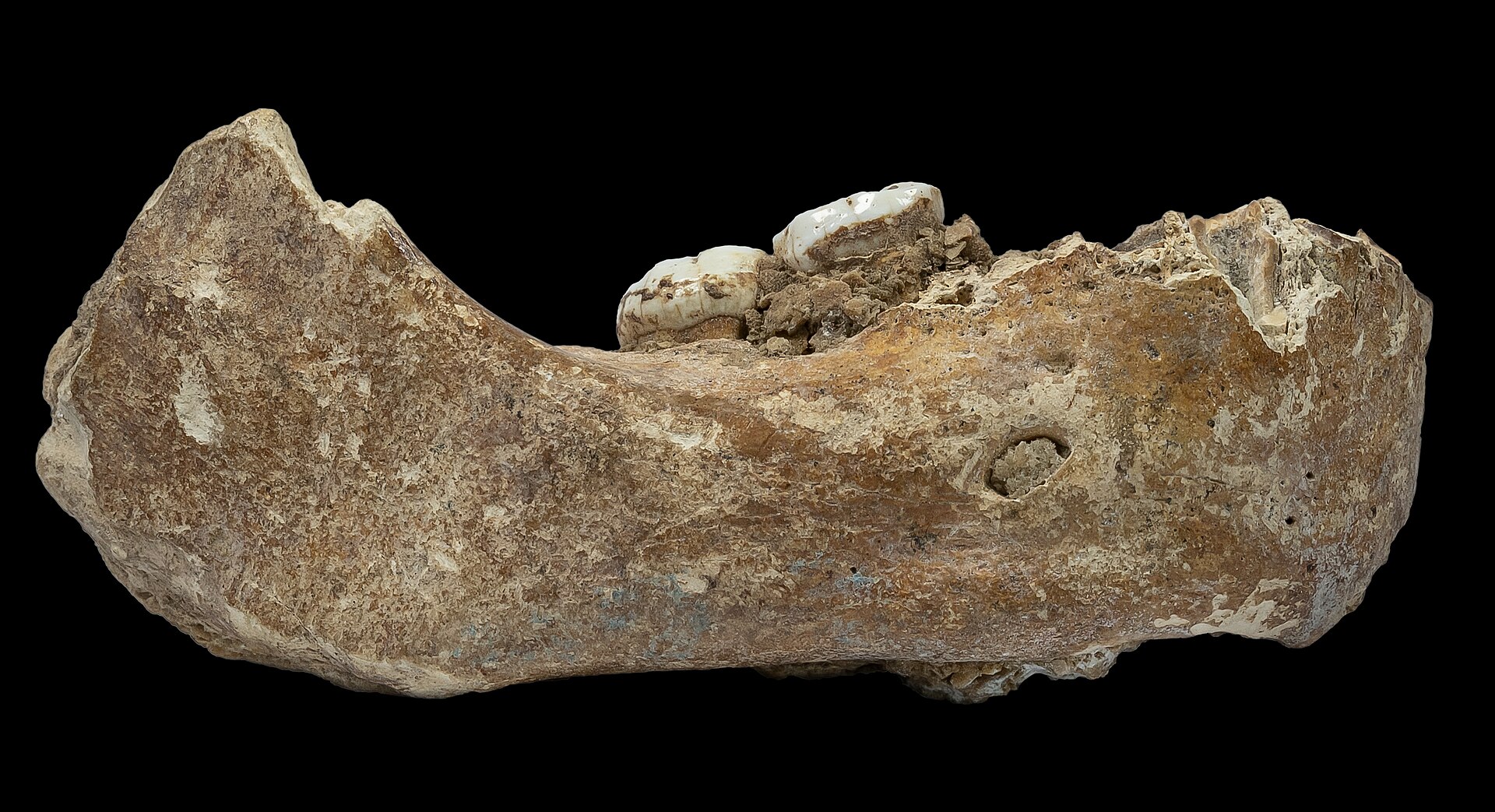
Read Before They Were Seen
Every other extinct human was found by digging up a skull. The Denisovans were found by reading a fingertip. There is still almost no fossil evidence, we know their genome better than most living species, and one of their genes is why people can live at 4,500 metres. Here is what is settled, what is genuinely open, and what our own sources got right for once.
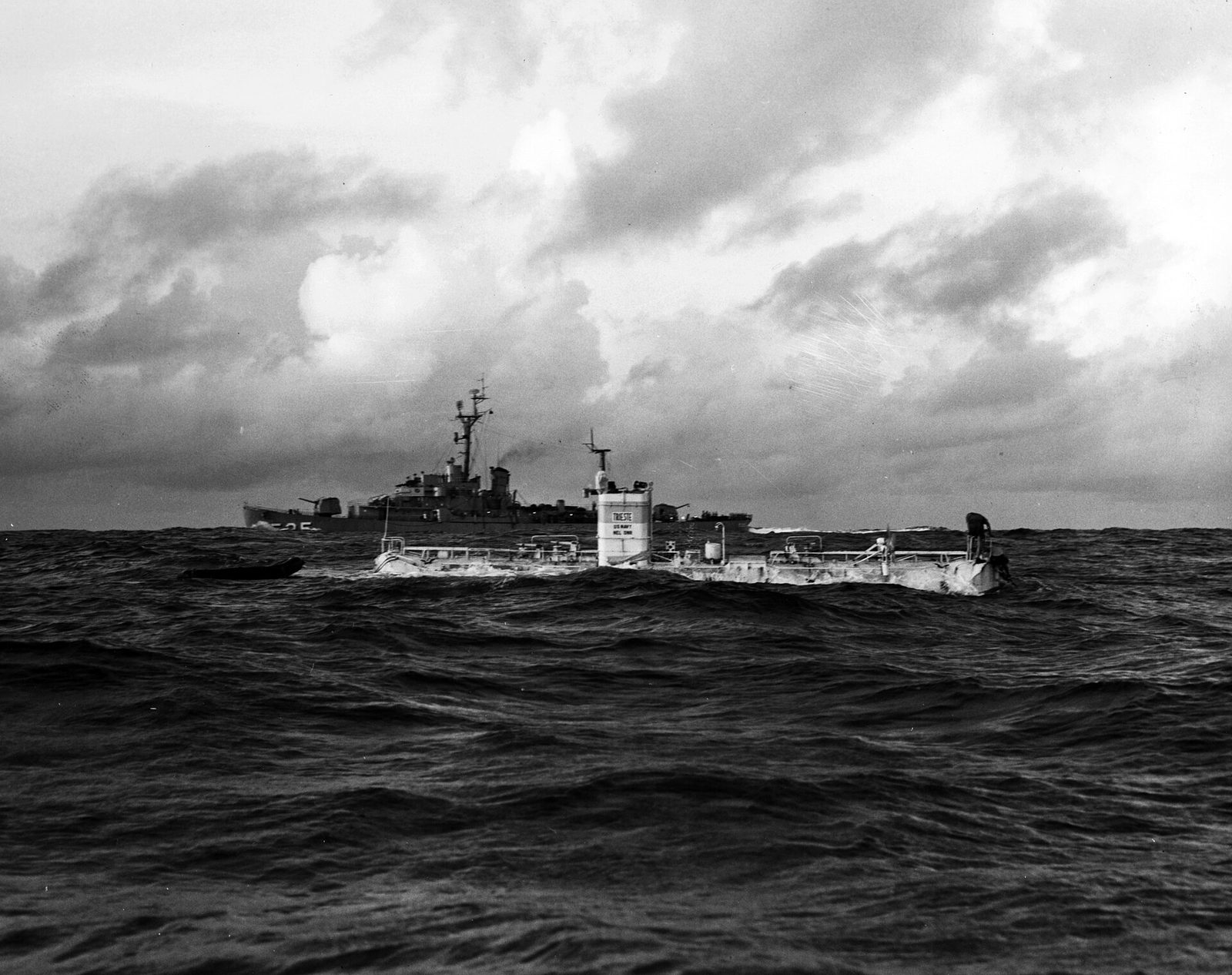
The Hadal Zone: A Ceiling Predicted, And Then Tested
A biochemical depth limit, calculated in 2014 and nearly reached in 2023.
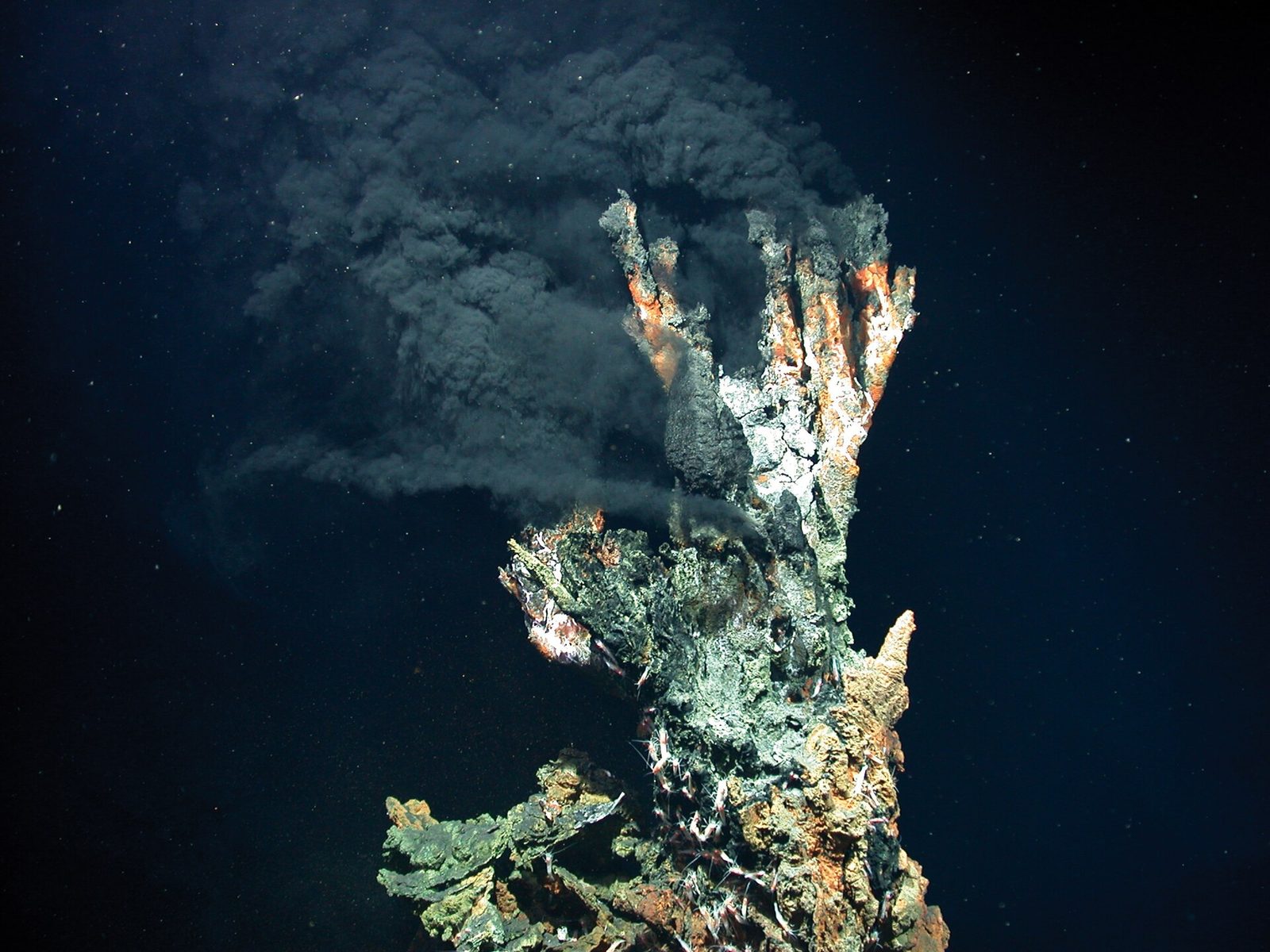
The Vent At The Beginning: A Battery Made Of Rock
Life runs on a proton gradient. Some rocks make one for nothing.
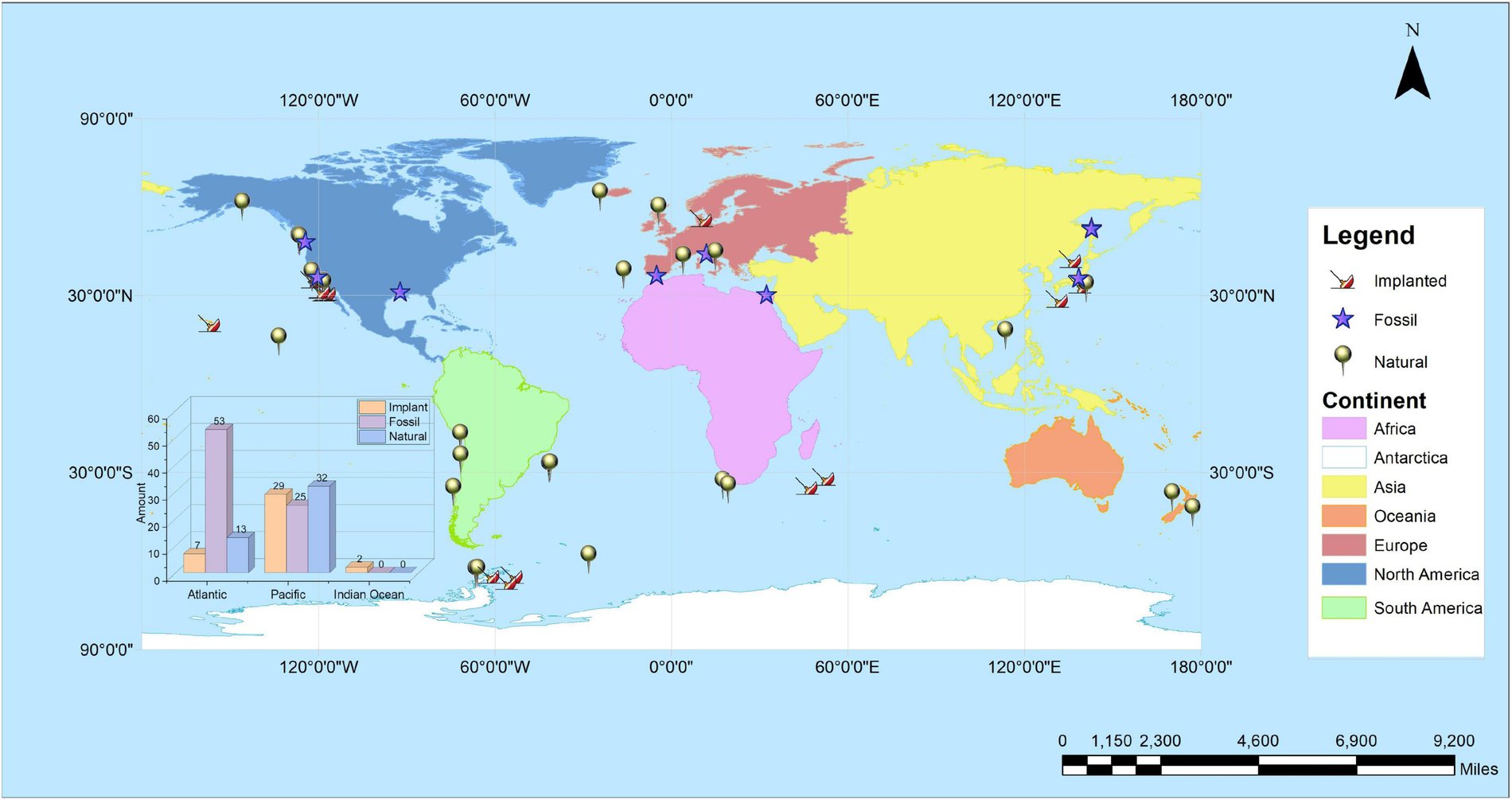
Two Thousand Years Of Food, Arriving At Once
A dead whale delivers two thousand years of food to the seafloor at once. The ecosystem that eats it lasts fifty years and includes a worm with no mouth, no gut and no anus.
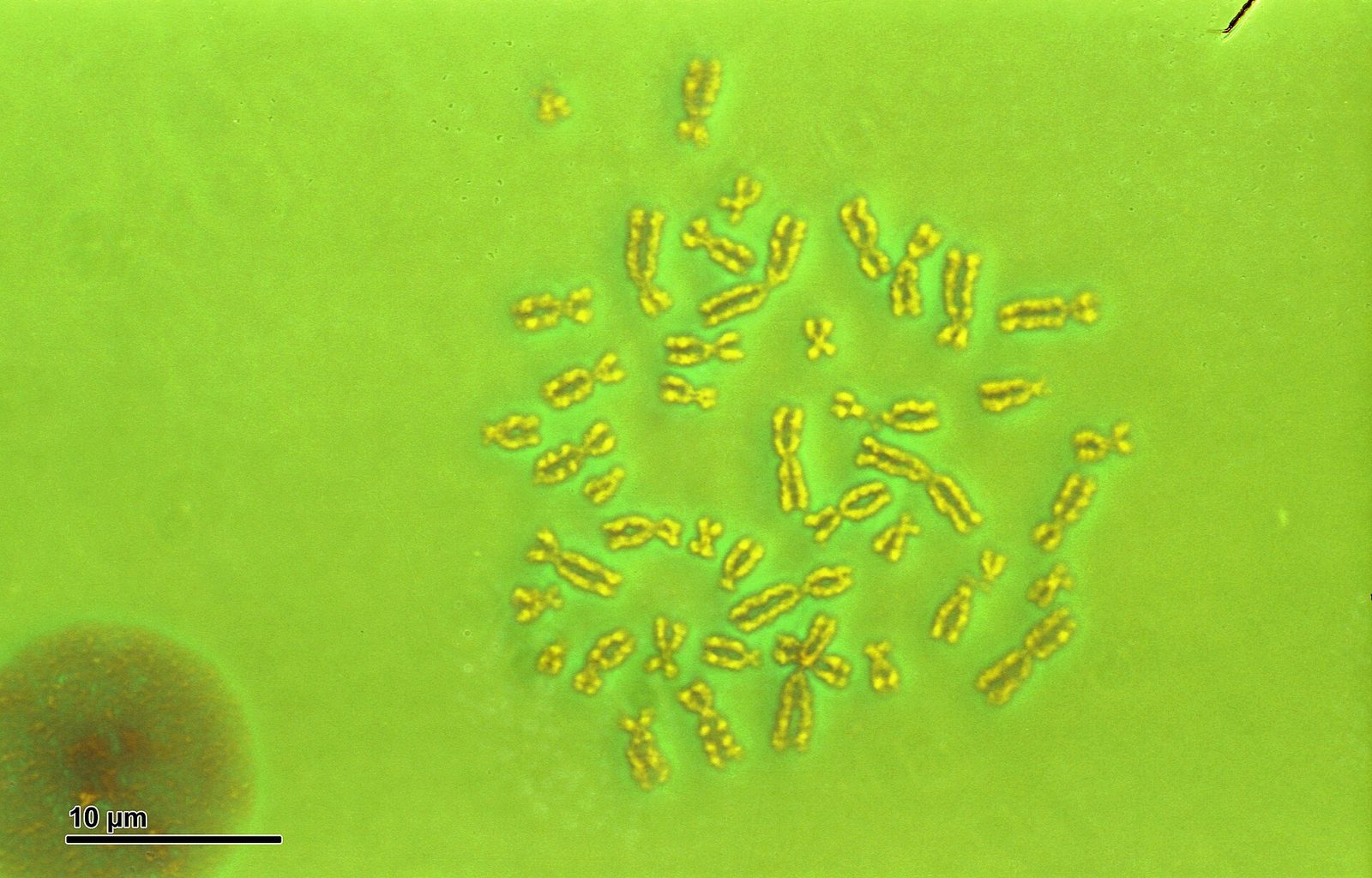
Human Chromosome 2: The Join Is Still Visible
Other great apes have 48 chromosomes. We have 46, and the seam where two of ours joined is still readable in the sequence.
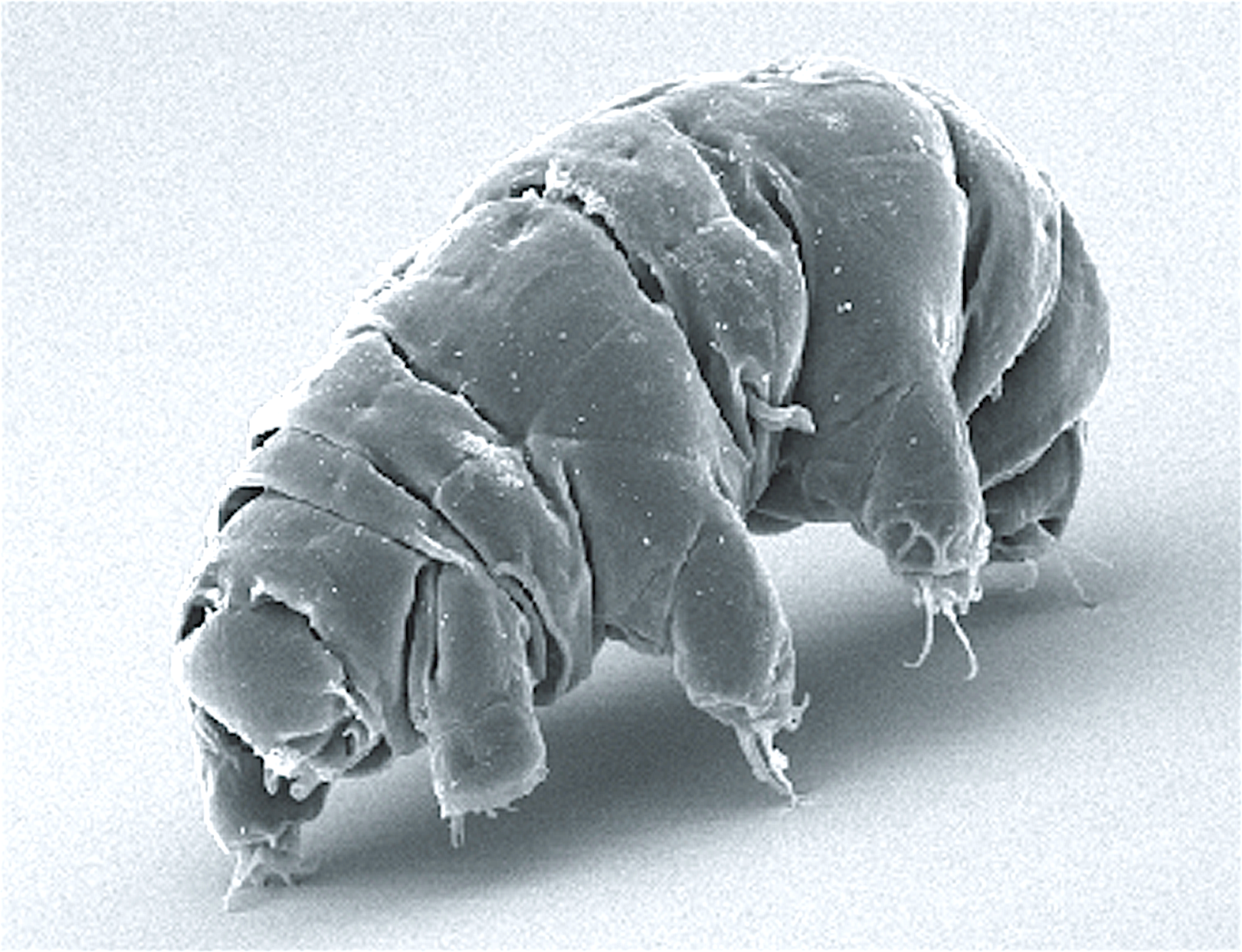
Tardigrades: The Animal That Turns Itself Off
Vacuum, 5,000 grays, decades of drying. Also: not immortal, not alien, and the mechanisms are still officially called proposed.
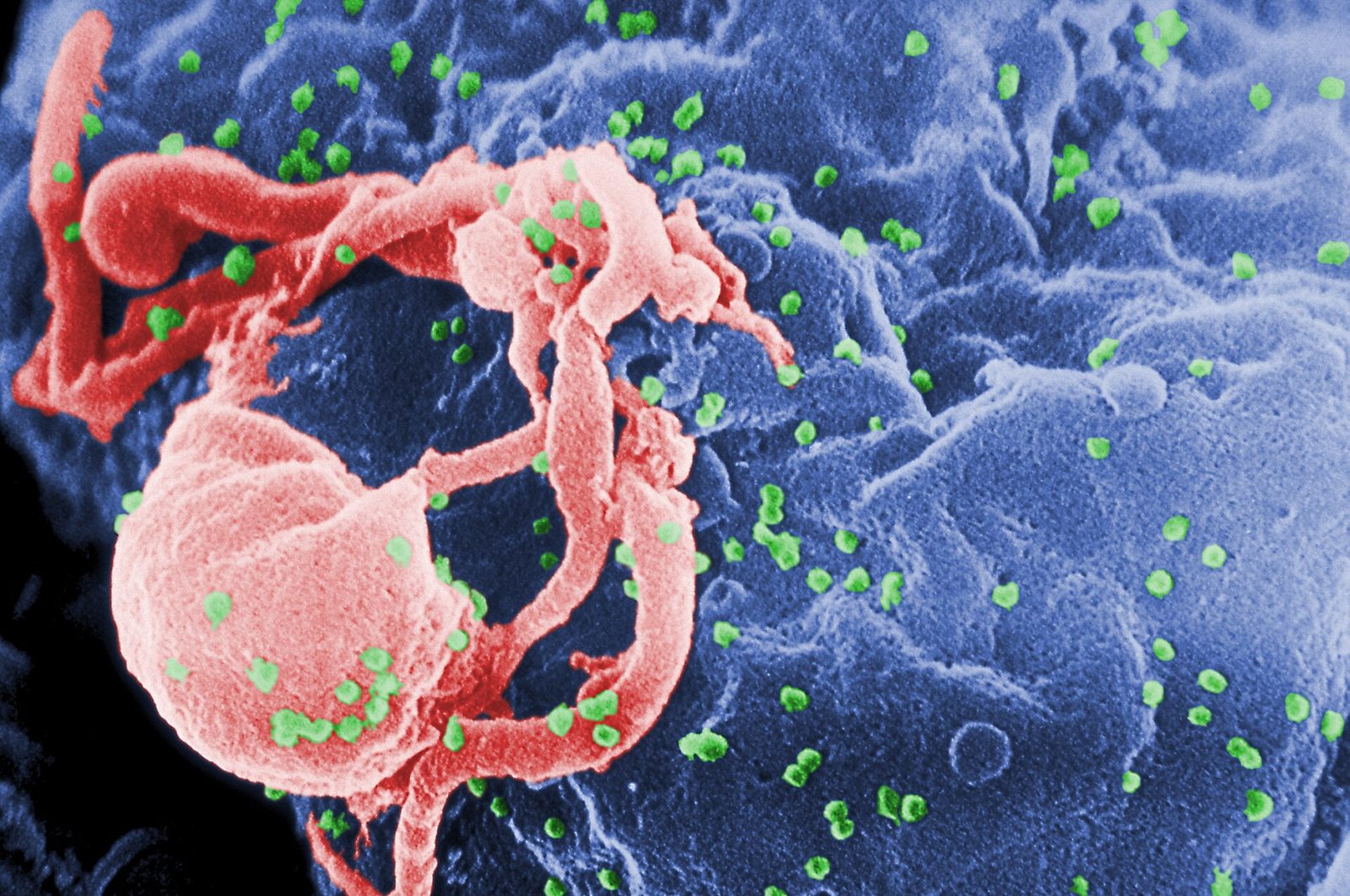
Viral Fossils: A Virus Gene Builds the Placenta
Eight per cent of your genome is dead virus. One piece of it is load-bearing in human reproduction.
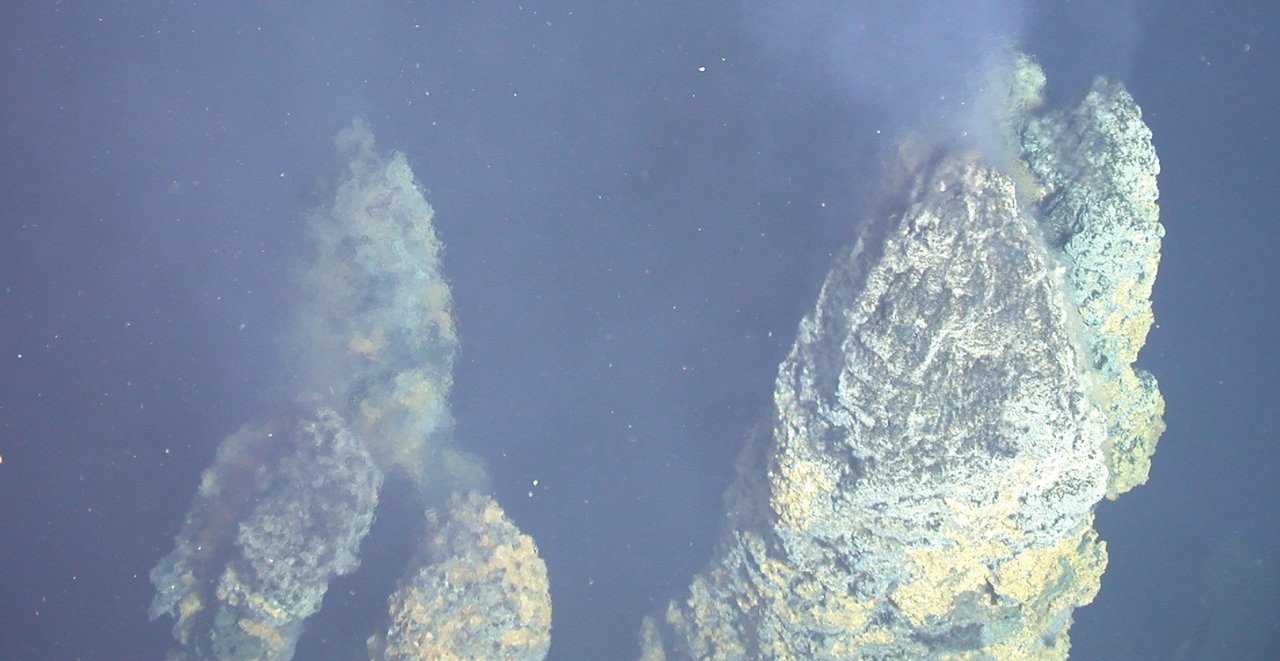
Hydrothermal Vents: Life Without the Sun
Until 1977 every textbook agreed: sunlight feeds all life, and the deep sea is a dark desert. Then a submarine found, around cracks of warm water two and a half kilometers down, some of the densest animal communities on Earth, giant red-plumed worms and ghost-white crabs thriving in total darkness. They run not on sunlight but on chemistry, on the hydrogen sulfide welling up from inside the planet. How life without the sun works, and why it redrew the limits of where life can exist.
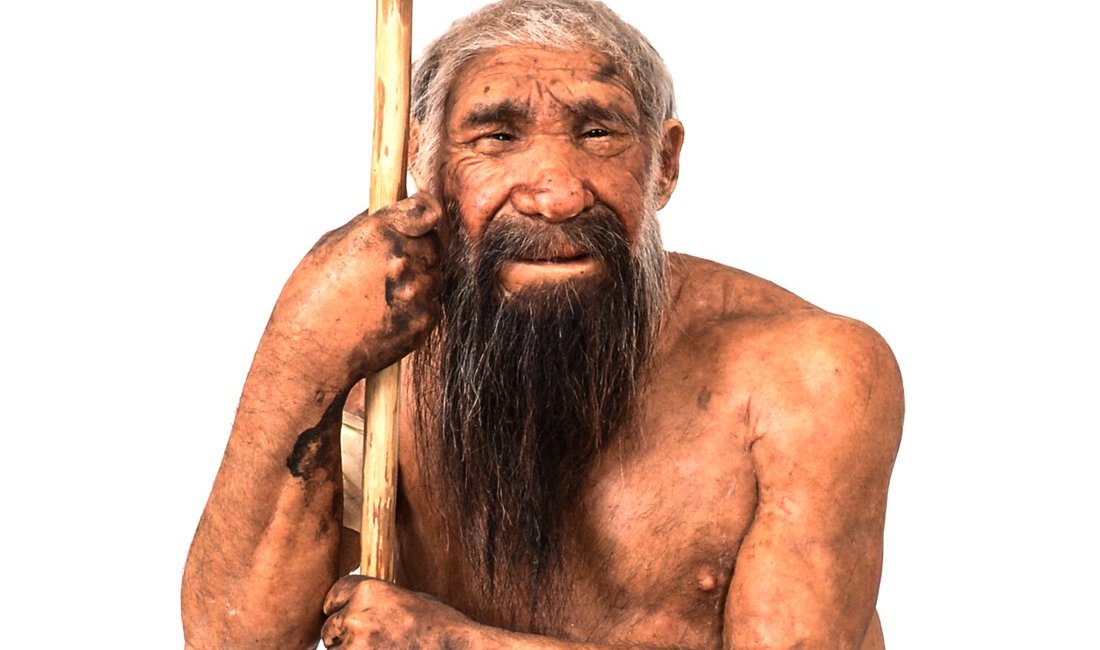
Neanderthal DNA: The Ancient Human Inside You
Neanderthals went extinct around 40,000 years ago, and yet if your roots lie outside Africa you carry a little of them right now: about 1.5 to 2.5 percent of your DNA is Neanderthal. It shapes parts of your immune system, your skin, even your risk from a modern virus. That inheritance records a meeting more than 50,000 years ago, when two kinds of human had children together. What the genome really says, why their maternal line vanished, and where the science ends and the myths begin.
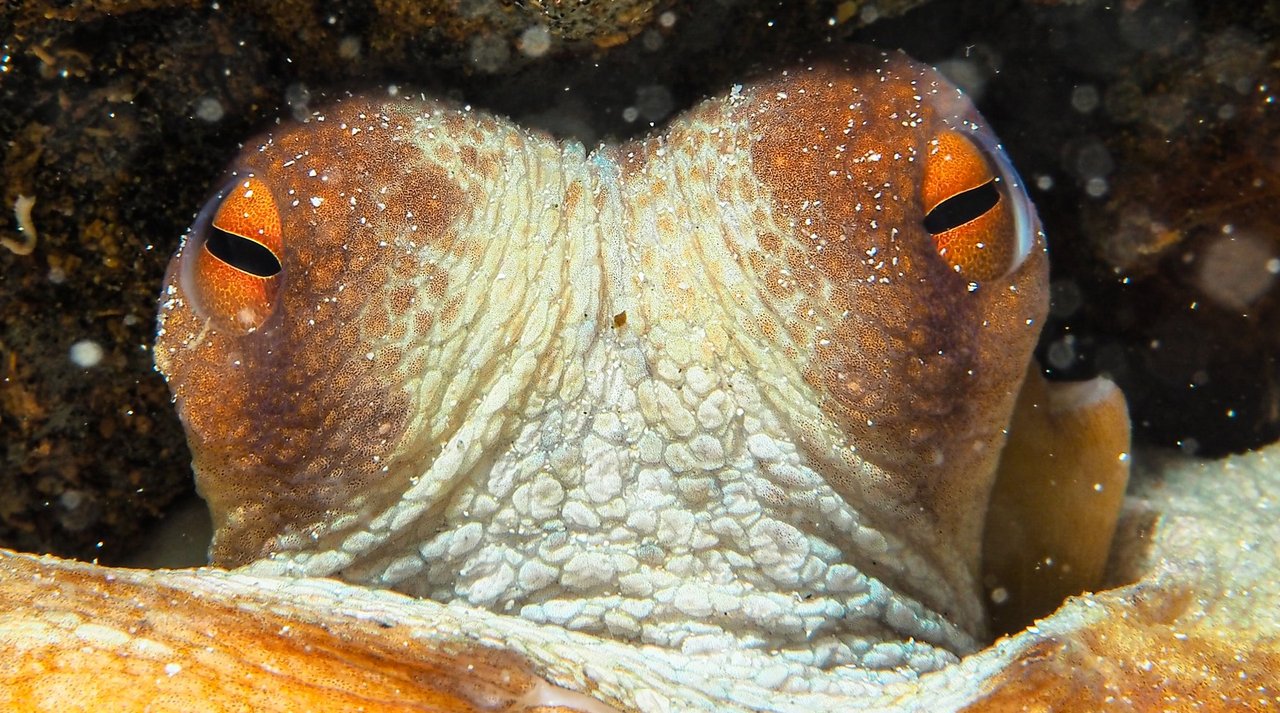
The Octopus: An Alien Intelligence Born on Earth
The octopus is the closest thing to an intelligent alien we will ever meet, and it evolved right here. It has about 500 million neurons, as many as a dog, but two-thirds of them sit in its arms, so each arm can taste, feel, and decide on its own. It uses tools, keeps a personality, and edits its own nervous system on the fly. What is really known about this mind, what stays open, and where the wonder ends and the science fiction begins.
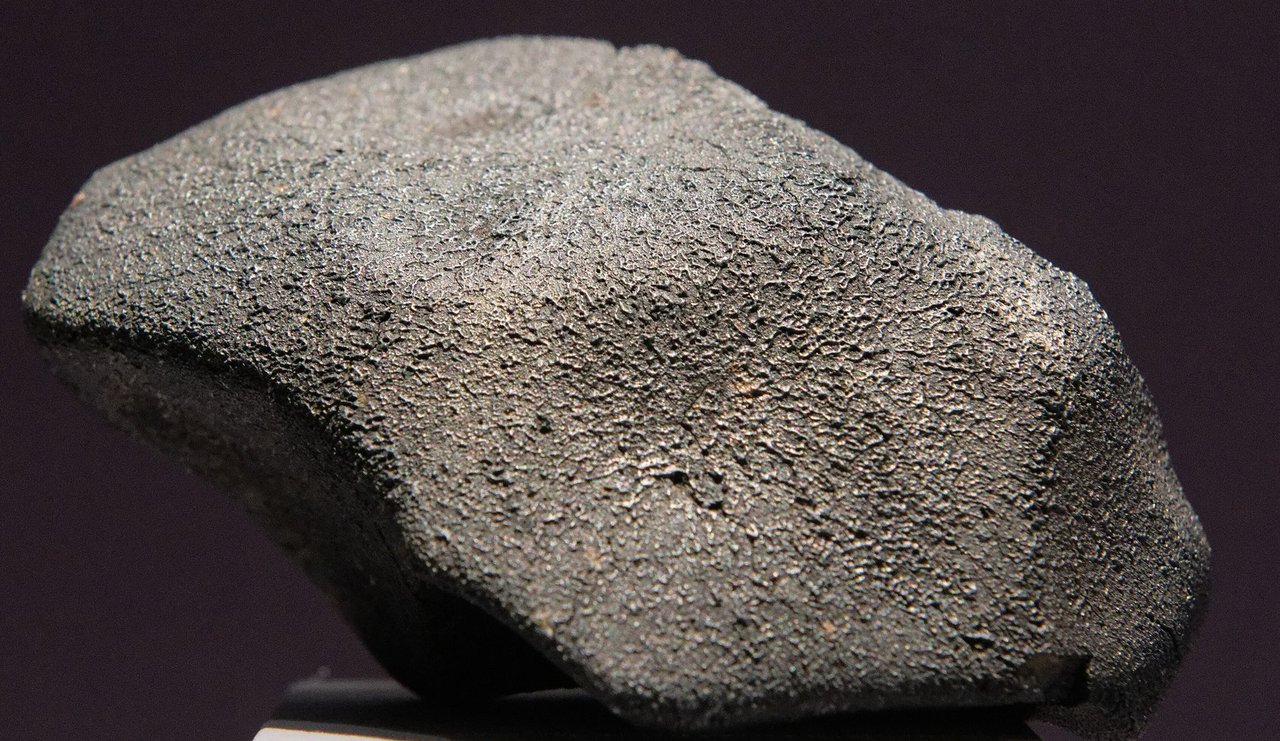
The Origin of Life: How Chemistry Became Biology
Life appeared almost the instant Earth stopped being sterilized by impacts. That fact splits two ways: either life starts easily, or it did not start here. We can make the building blocks in a flask and find them on meteorites; we can read the biochemistry of the ancestor of everything alive. What no one has done is take sterile chemistry all the way to a living, copying thing. What is known, what is open, and why neither 'solved' nor 'aliens did it' will do.
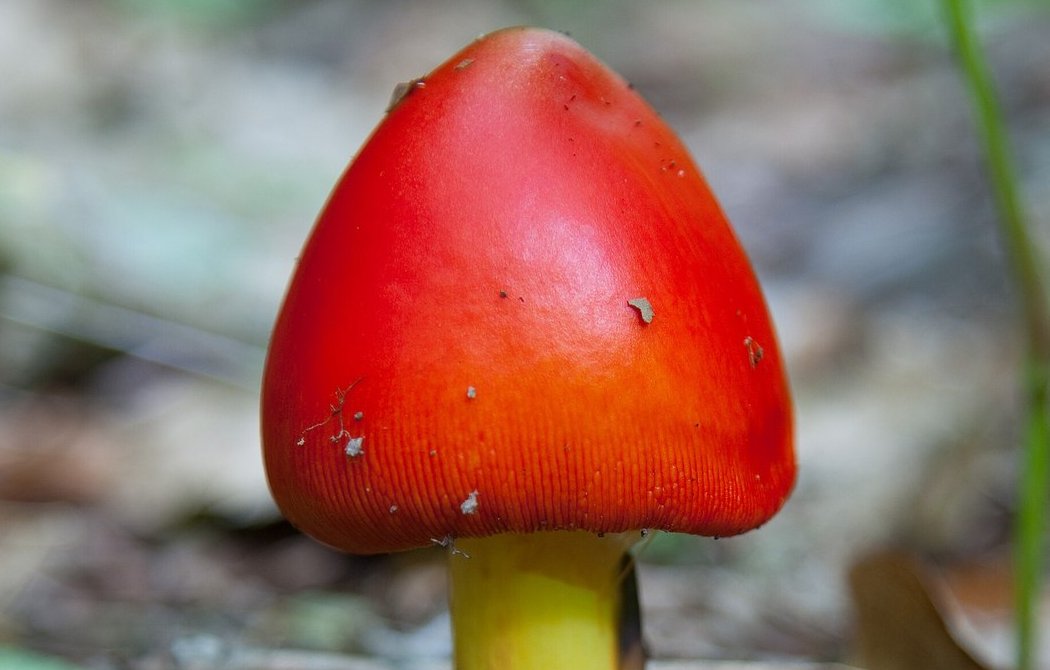
The Wood Wide Web: The Network That Feeds the Forest
Beneath almost any forest runs a real network: fungal threads linking tree to tree, moving carbon, water, and nutrients, even relaying chemical alarms. That much is genuine, measured, and astonishing. But the beloved story on top of it, of wise 'mother trees' deliberately nurturing their children through a cooperative underground internet, has run well ahead of the evidence, and a 2023 review found the popular version has almost no support. What the network really is, what it does, and where wonder ends and wishful thinking begins.