
The Human Canvas
Art, music, color, and the writing systems and lost languages humanity has spent centuries decoding. This wing is the record of how we chose to say things when plain words were not enough.
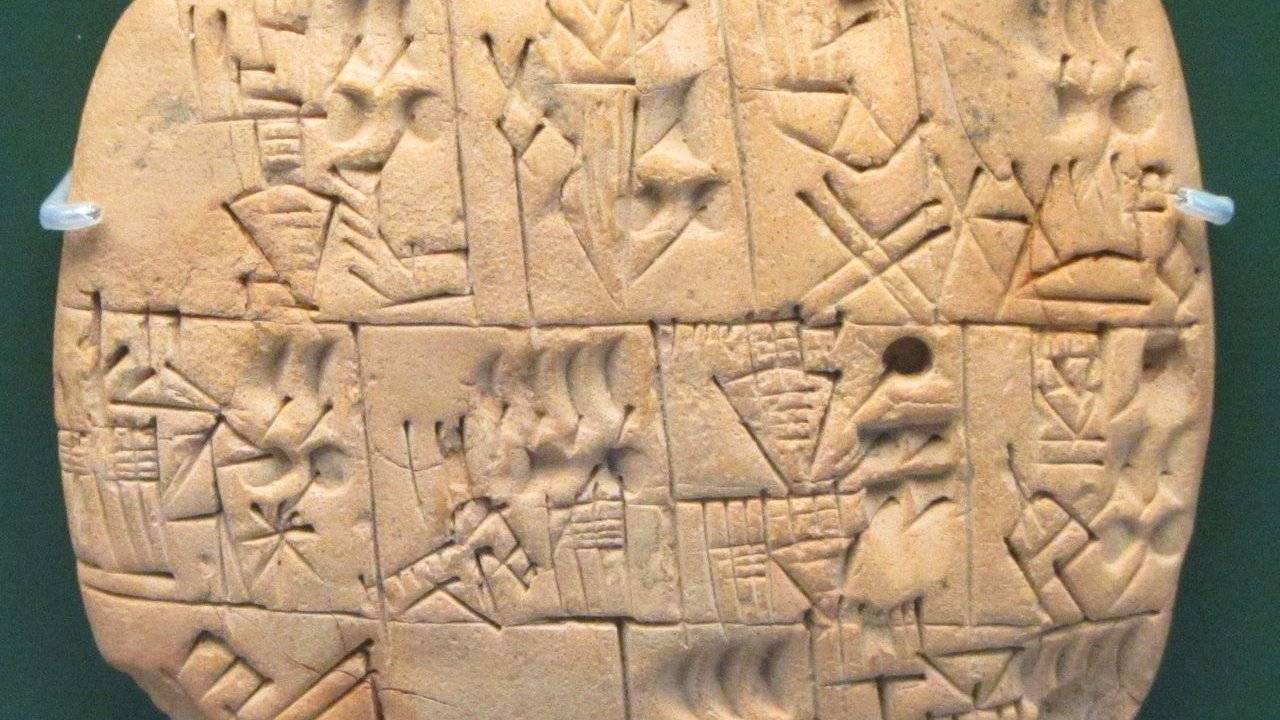
Cuneiform: The Oldest Writing We Can Read, Pressed in Clay
Writing, in Mesopotamia, does not begin with poetry. It begins with a warehouse: grain, livestock and beer rations, pressed into wet clay with the cut end of a reed. Where the wedges came from, how far they went, and what is still genuinely argued about the moment writing began.
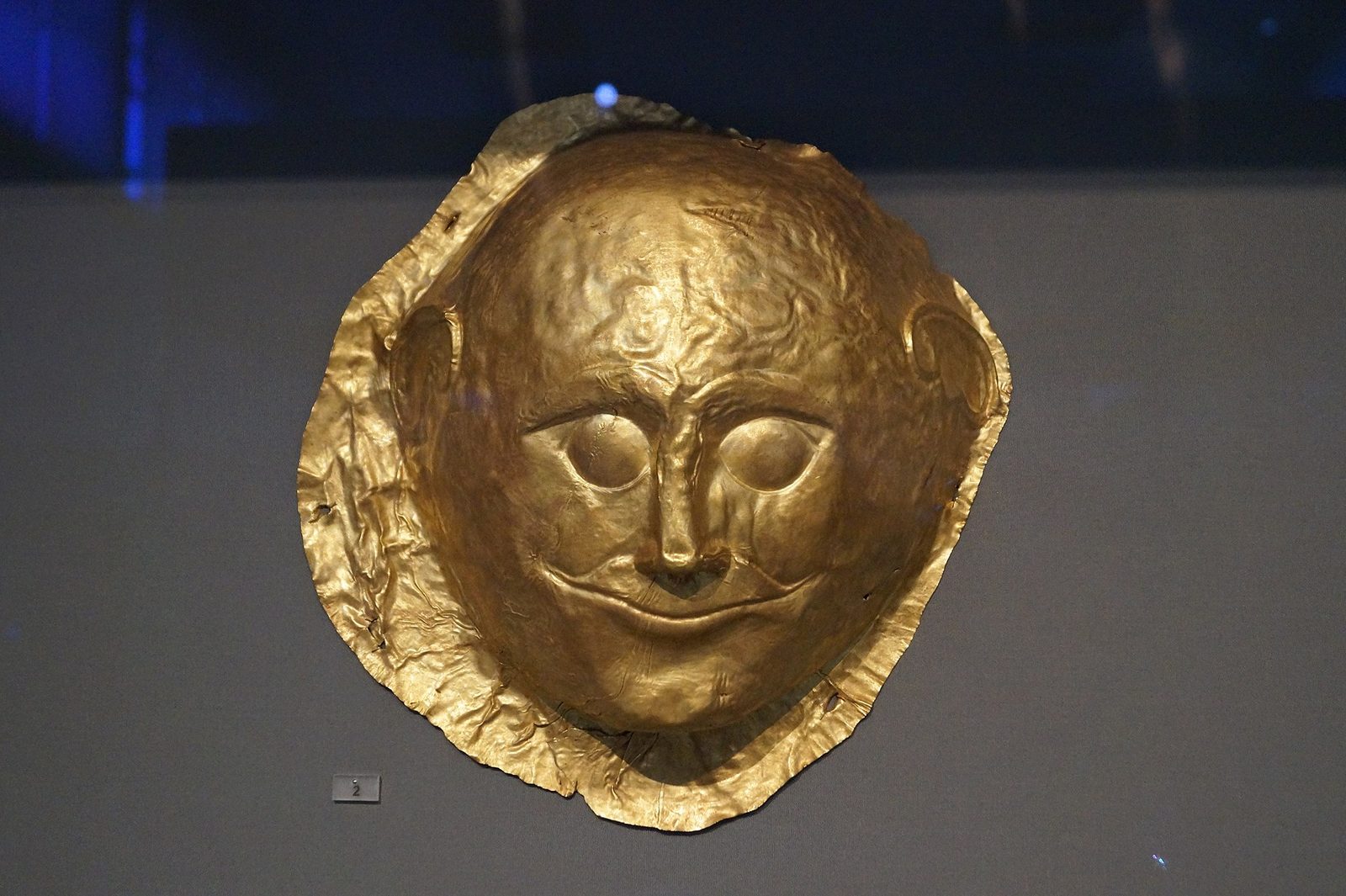
Death Masks: Four Different Things We Call By One Name
A cast from a corpse, a gold mask made for a king, plaster on a real skull and a painted panel are four different things, and almost everyone calls them one.
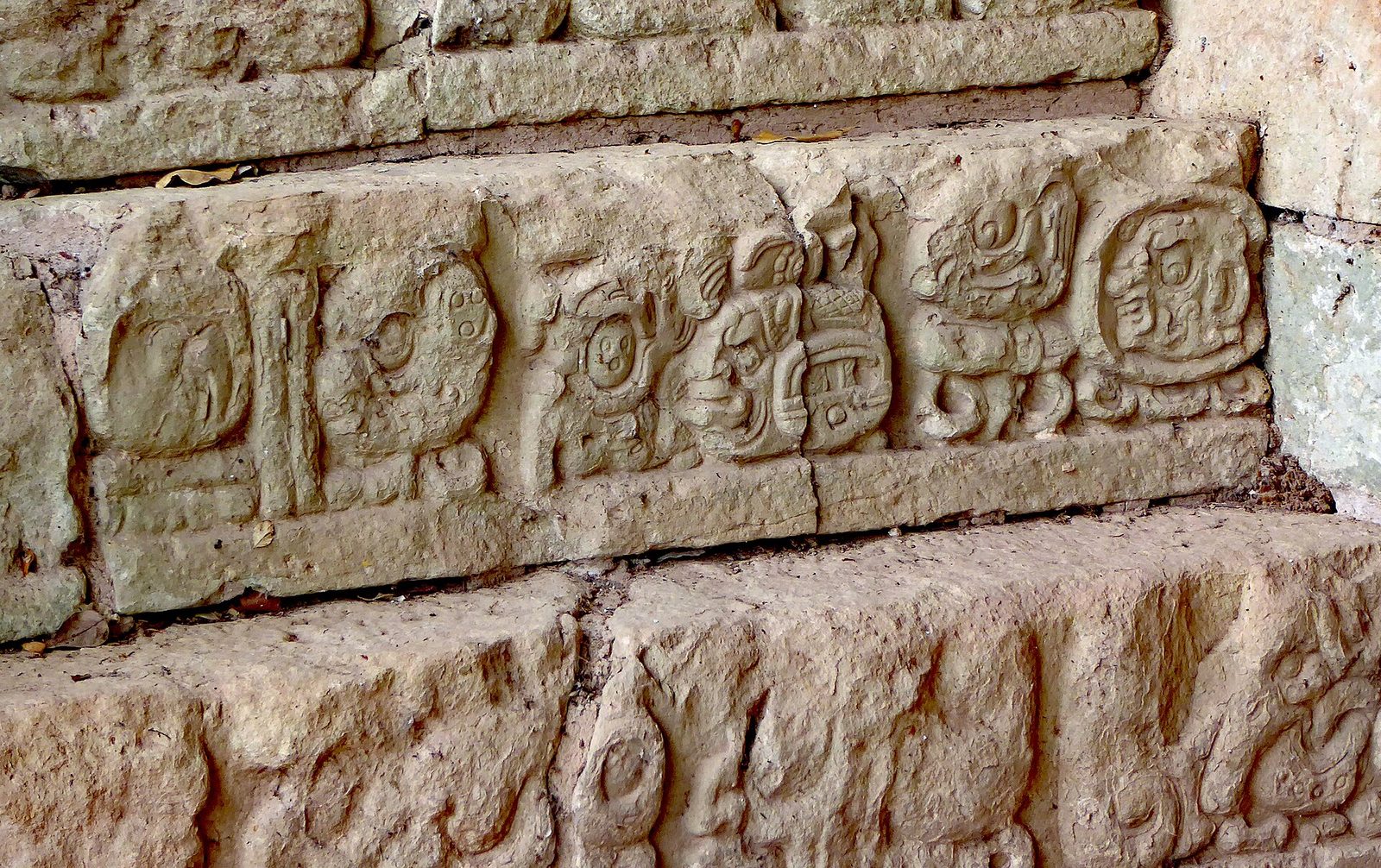
Mayan Glyphs: How The Maya Script Was Read Again
A bishop burned the books and wrote down the key, a Soviet linguist read it correctly and was disbelieved, and the script is still not finished.
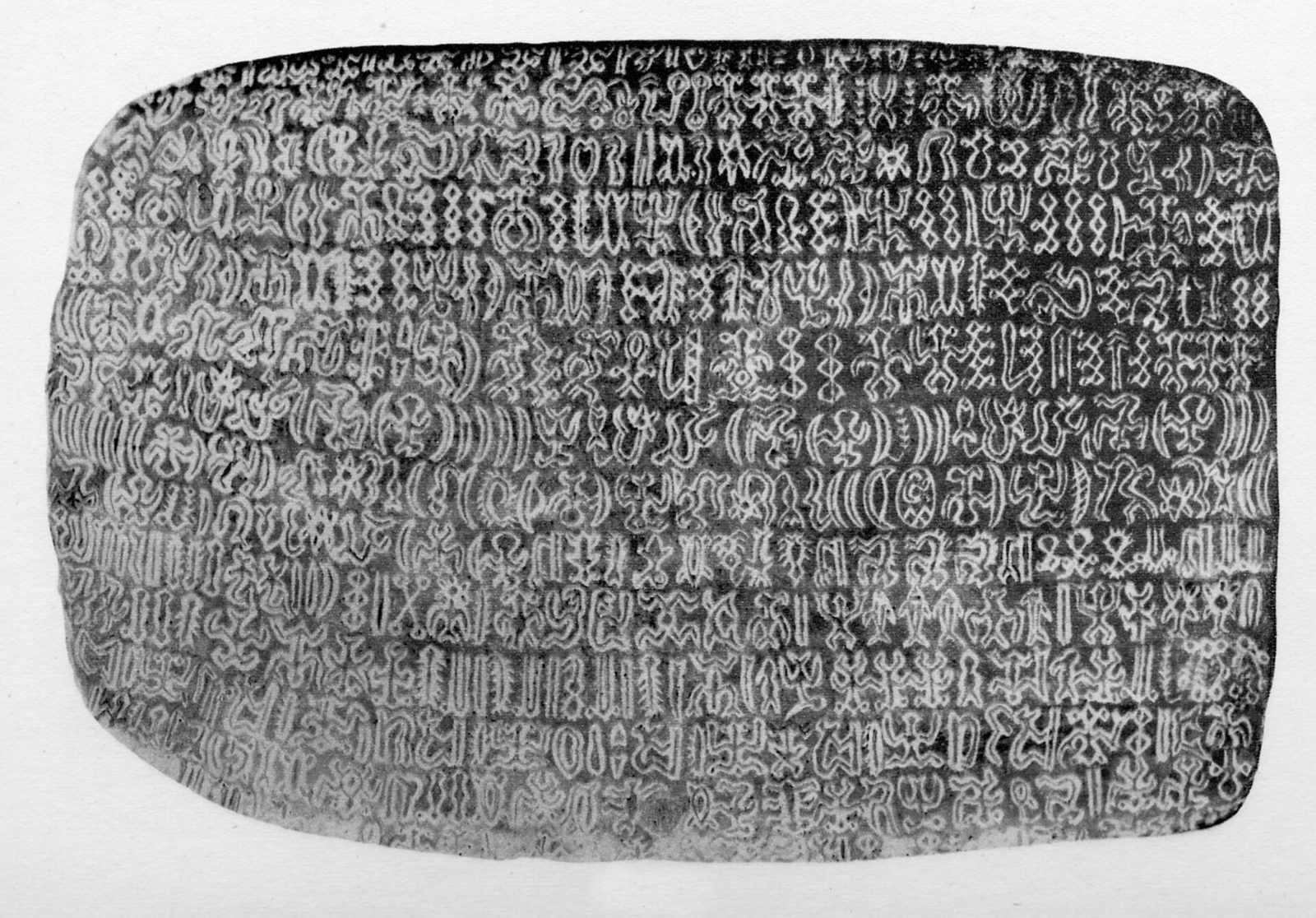
Rongorongo: The Unread Script of Rapa Nui
A script on roughly two dozen pieces of wood, a reading tradition destroyed in the 1860s, and one agreed passage that counts the nights of the moon.
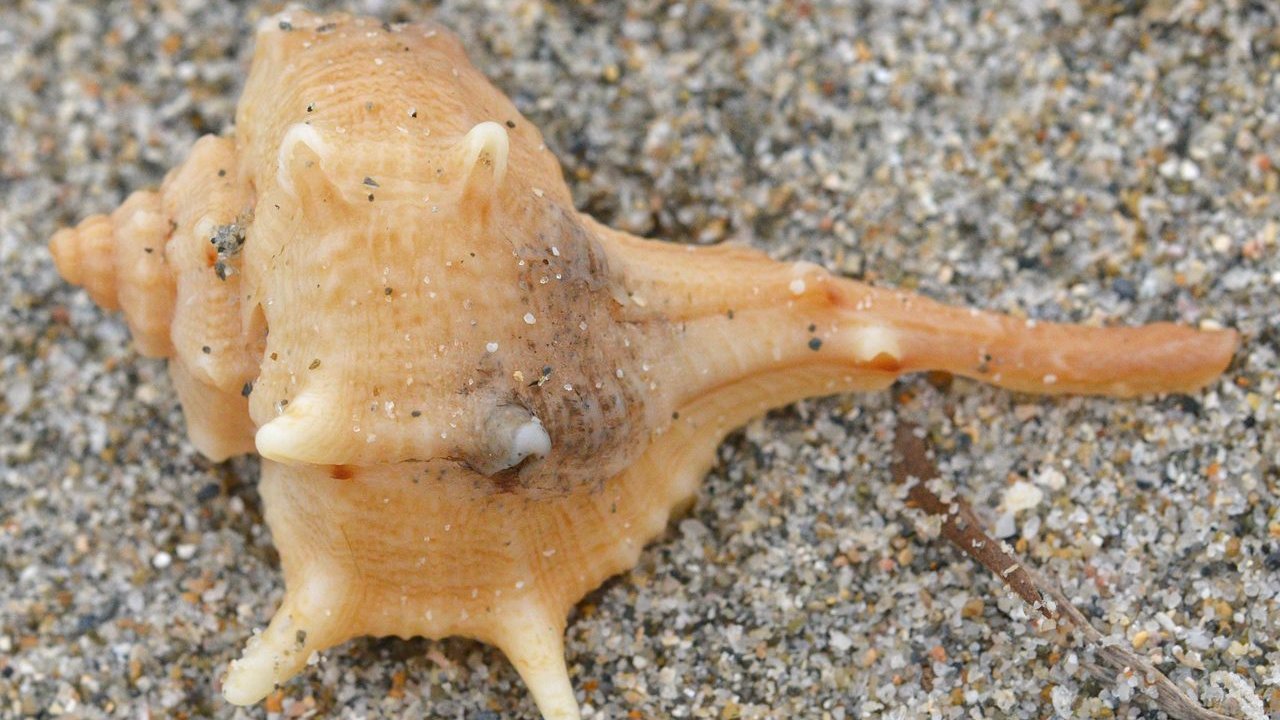
The Meaning of Color: A Documented History of Pigment, and an Unsettled Science of Naming
Two halves of one subject, with very different evidence behind them. The pigments are documented: an ochre workshop dated to about 100,000 years ago, one valley in Afghanistan supplying the world with lapis, a purple wrung out of sea snails, a blue found by accident in an Oregon furnace in 2009. The naming is not. Whether every language divides the spectrum in the same order has been argued since 1969 and is still open. And two stories a reader is likely to arrive with, that the ancients could not see blue and that the Himba cannot find a blue square, are both wrong, one of them contradicted by the researchers whose work it claims to report. The best-measured language effect on this page is 124 milliseconds in a speeded button-press, and no multiple against the price of gold appears anywhere, because none could be resolved.
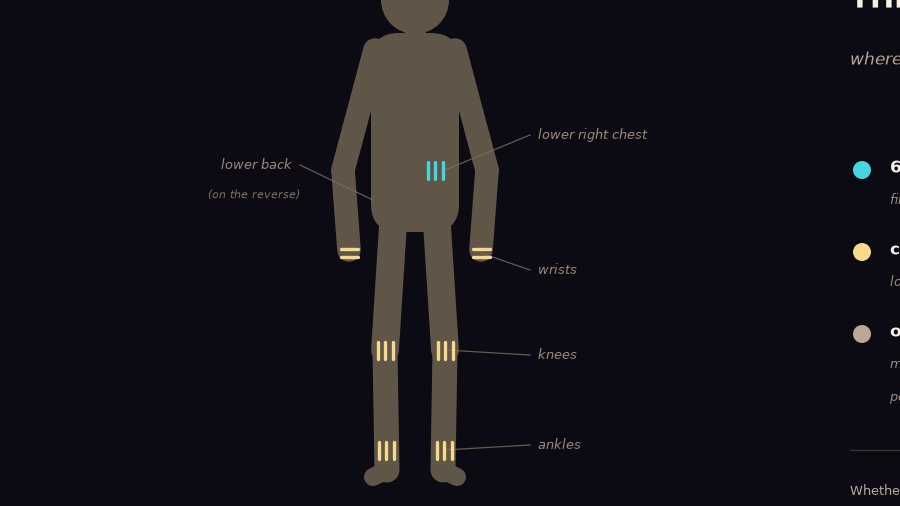
Ancient Ink: The Iceman's Tattoos and the World's Oldest Body Art
A frozen body carried the oldest tattoos ever found: 61 marks cut and inked over 5,000 years ago. And they sit, uncannily, on points a system of medicine would map millennia later. The real history of the world's oldest body art, and the honest handling of its most famous claim.
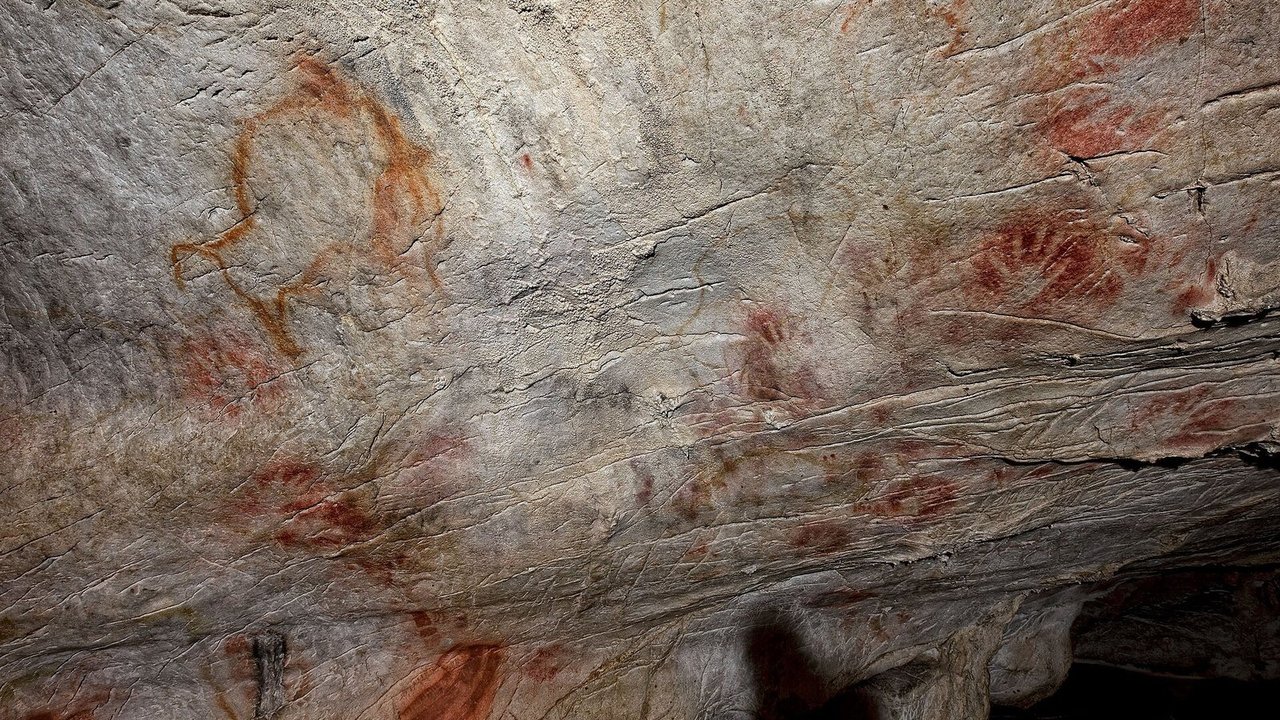
Cave Art: The First Images We Ever Made
Someone painted a wild pig at least 51,200 years ago and left the oldest known story. Red hands, bison herds, lions drawn with startling skill. What the oldest images are, how we date them, and the two honest mysteries: who made some of them, and why anyone painted at all.
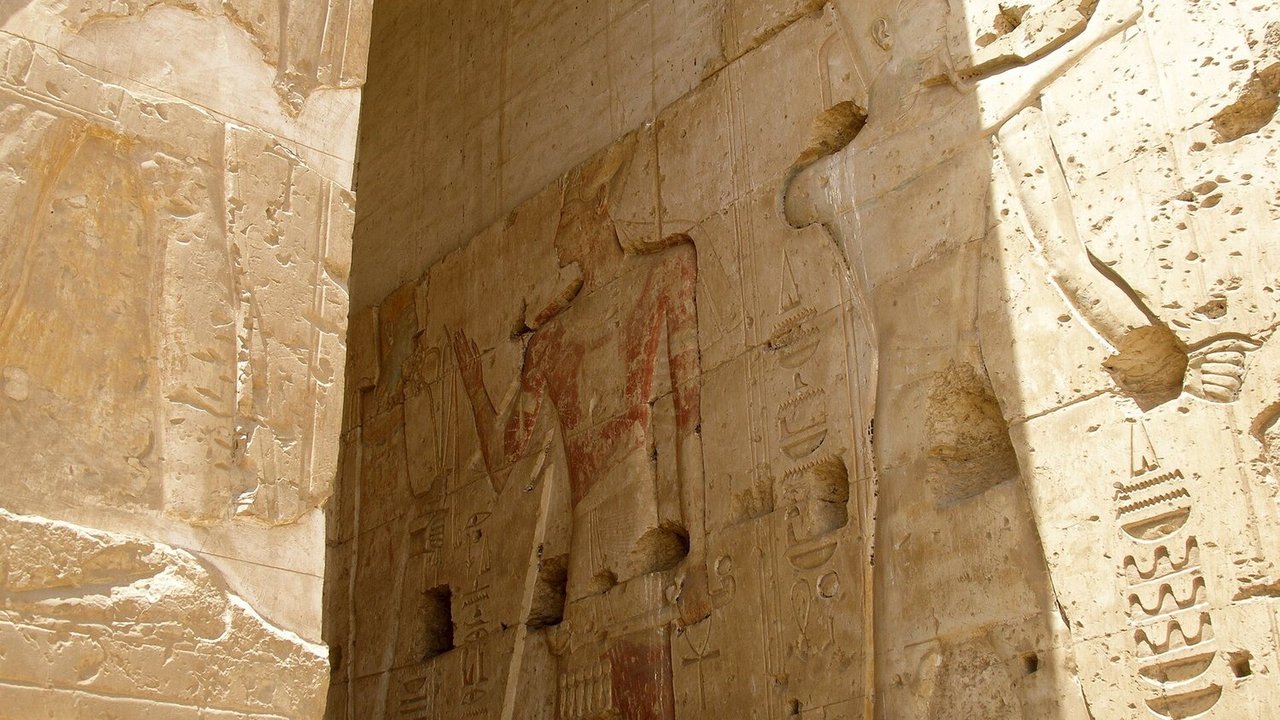
Egyptian Hieroglyphics: Cracking the God's Words
For 1,400 years no one could read a hieroglyph, and Europe was sure they were pure mystical symbols. It was wrong. How a broken slab in the Nile mud and two rival scholars cracked the god's words, and who really deserves the credit.
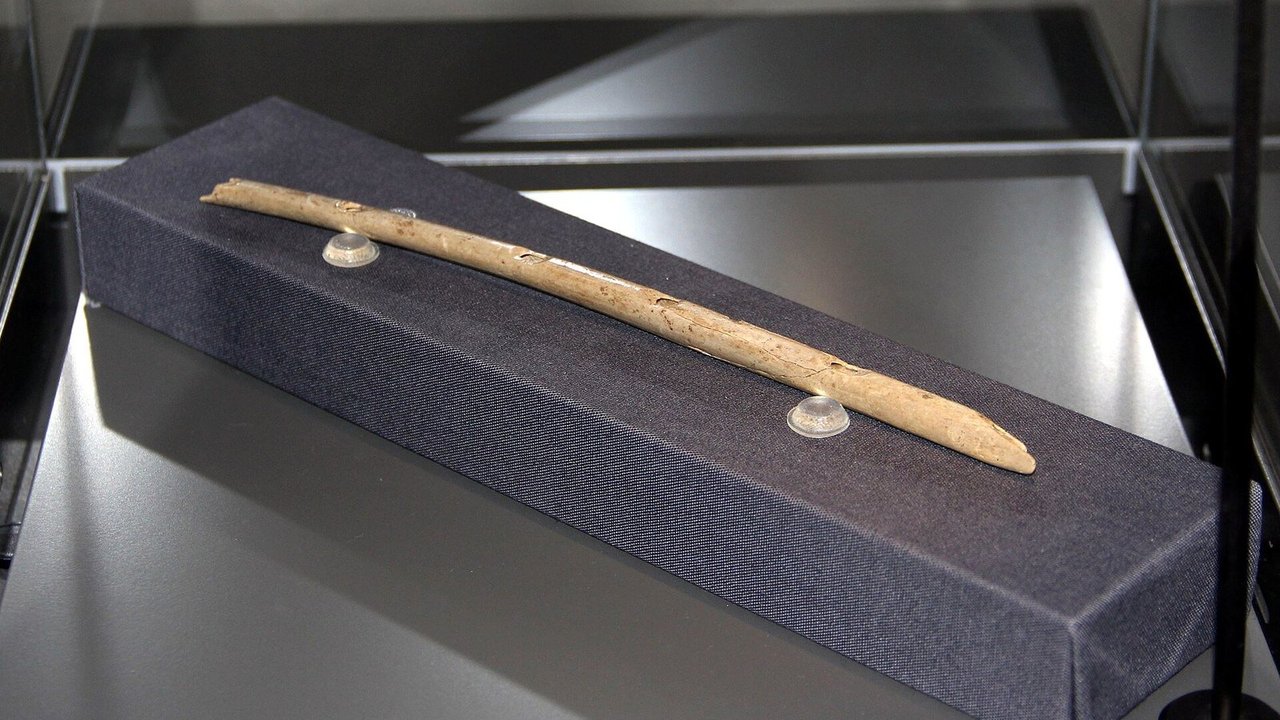
The Oldest Music: Bone Flutes and the Lyres of Ur
A flute carved from a vulture's wing bone 40,000 years ago. A Chinese flute still playable after 9,000 years. The golden lyres of dead kings. We have the instruments, tuned and beautiful, but not one note of the music. The oldest music, and the silence at its center.
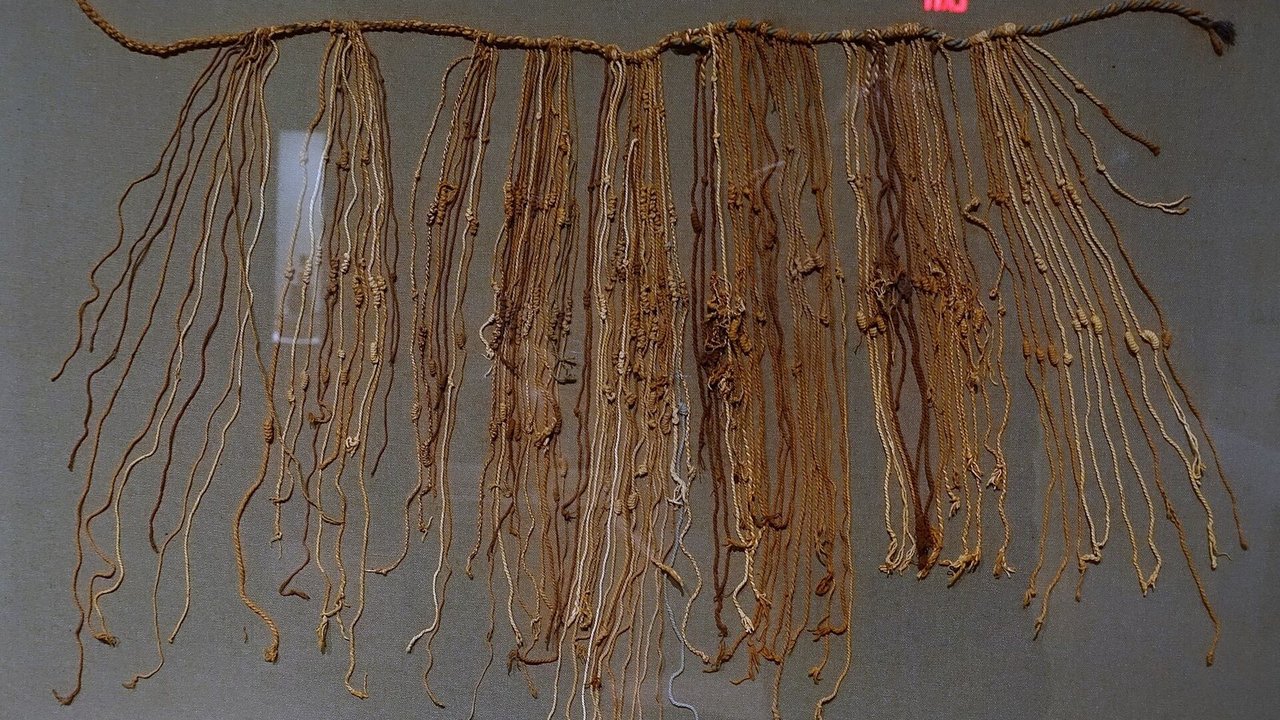
The Quipu: An Empire Written in Knots
The Inca ran an empire of millions with no alphabet, keeping their records in knotted cords. The numbers on them are genuinely deciphered. Whether the knots also spelled words, names, and stories is a live and thrilling question. What the quipu was, and what it may still be hiding.