
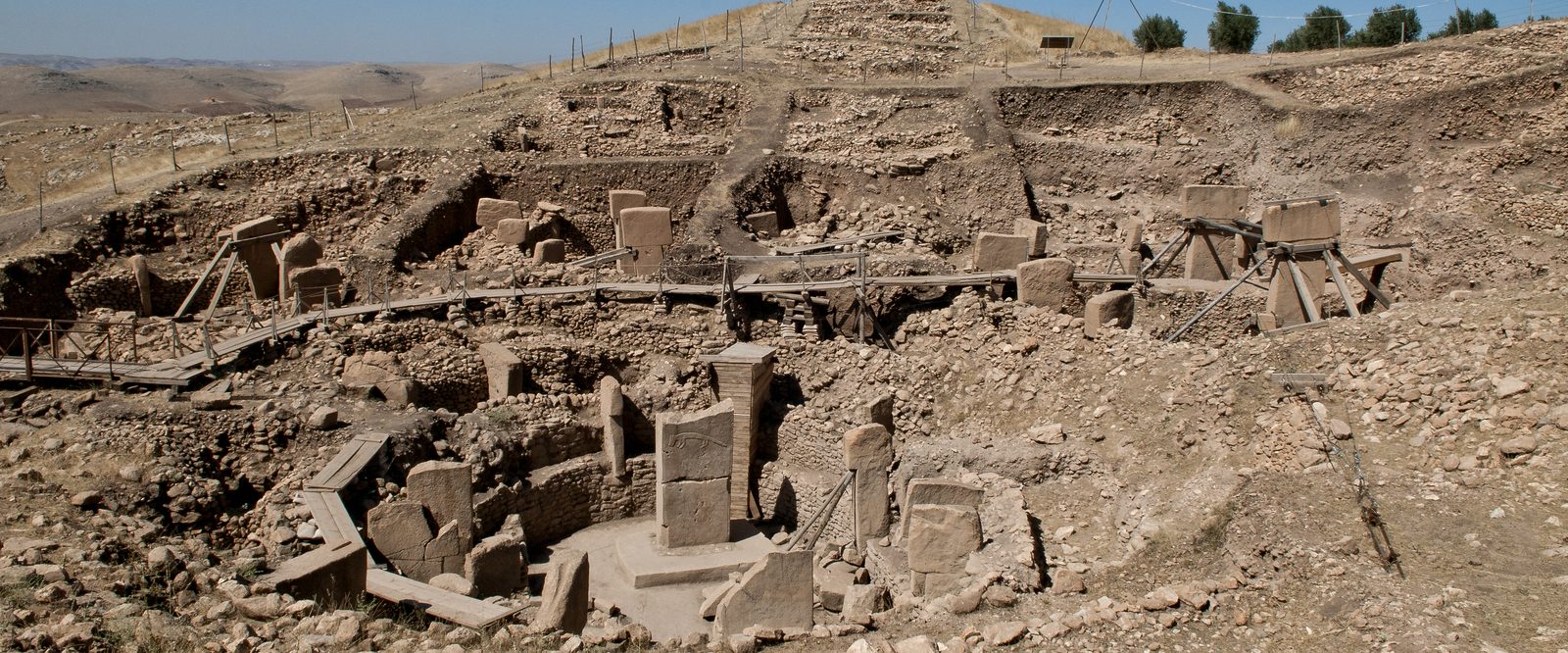
The Builders
Megaliths raised before the tools that should have made them possible, impossible stone joinery, out-of-place artifacts, and astronomy built directly into the architecture. This wing asks what our ancestors actually knew, and how much of it we still cannot fully replicate.
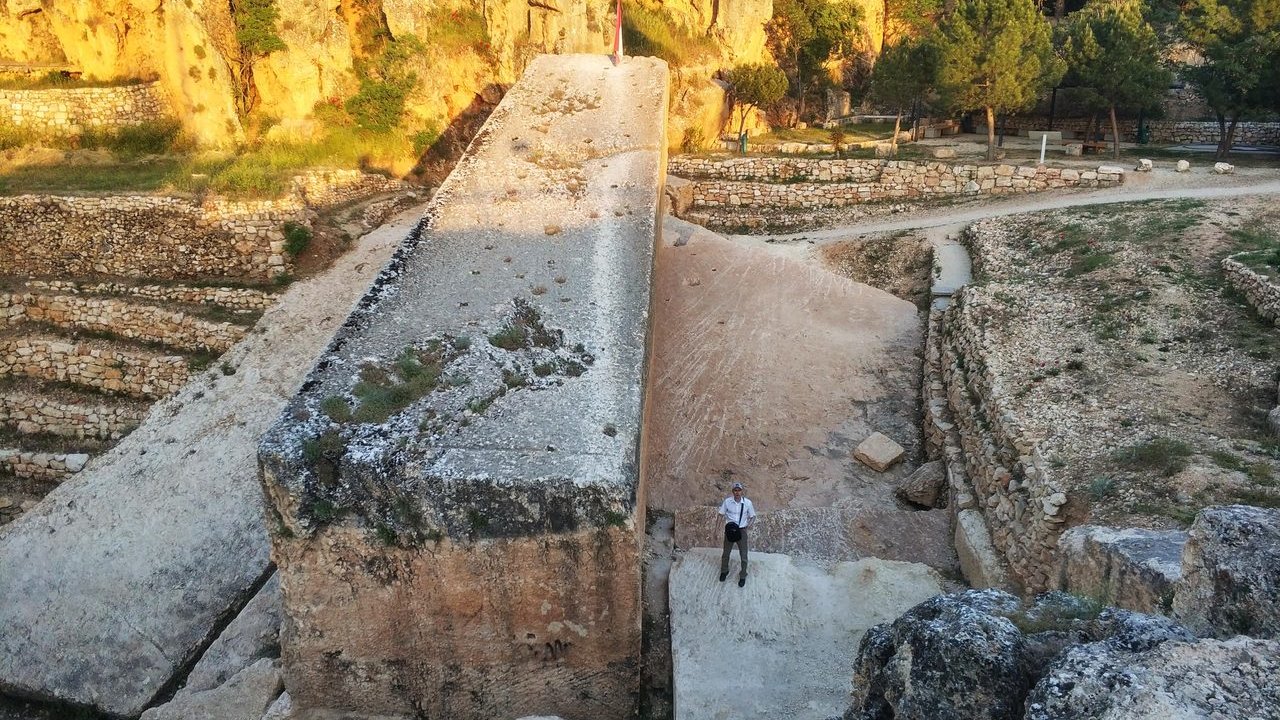
Baalbek: Eight Hundred Tonnes, Eight Hundred Meters
Three limestone blocks of roughly 800 tonnes each, set about 7 meters up in a Roman wall, and a monolith of 1,500 to 1,650 tonnes still lying in the quarry 800 meters away.
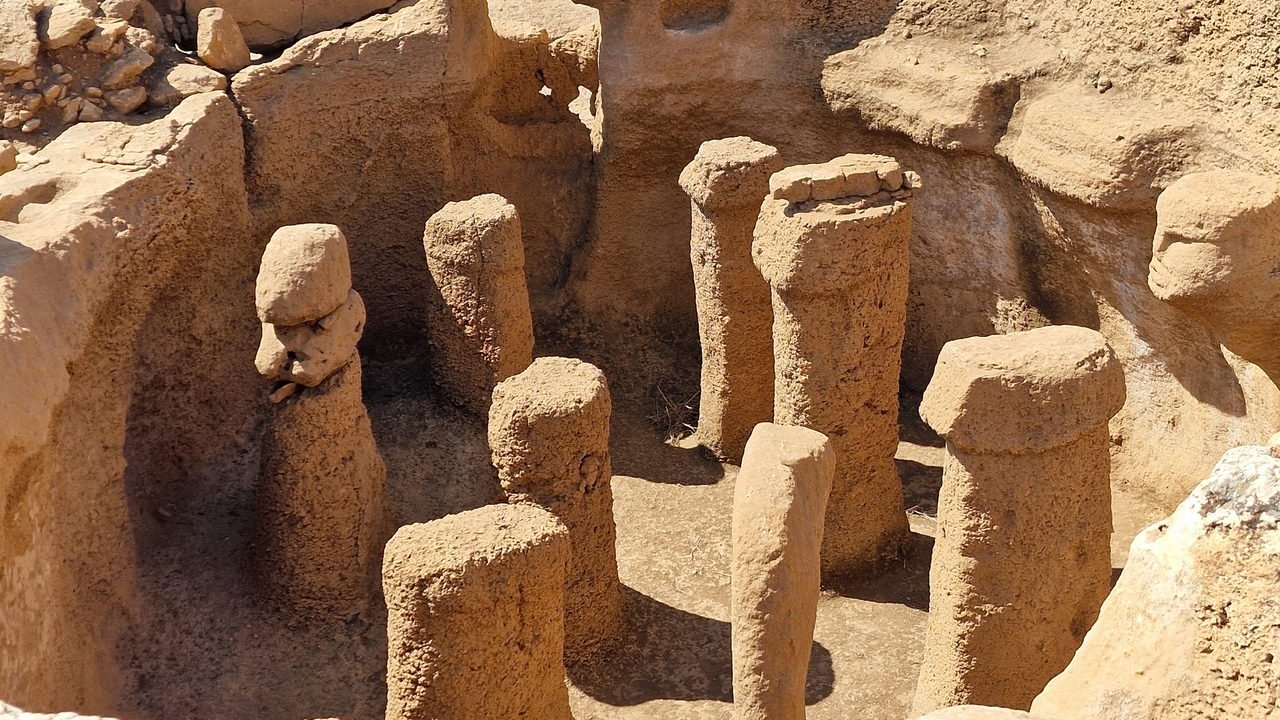
Karahan Tepe: Gobekli's Eerie Twin
An oval chamber cut into bedrock holds eleven pillars and a human face emerging from the western wall, carved before pottery, herds, or farmed grain.
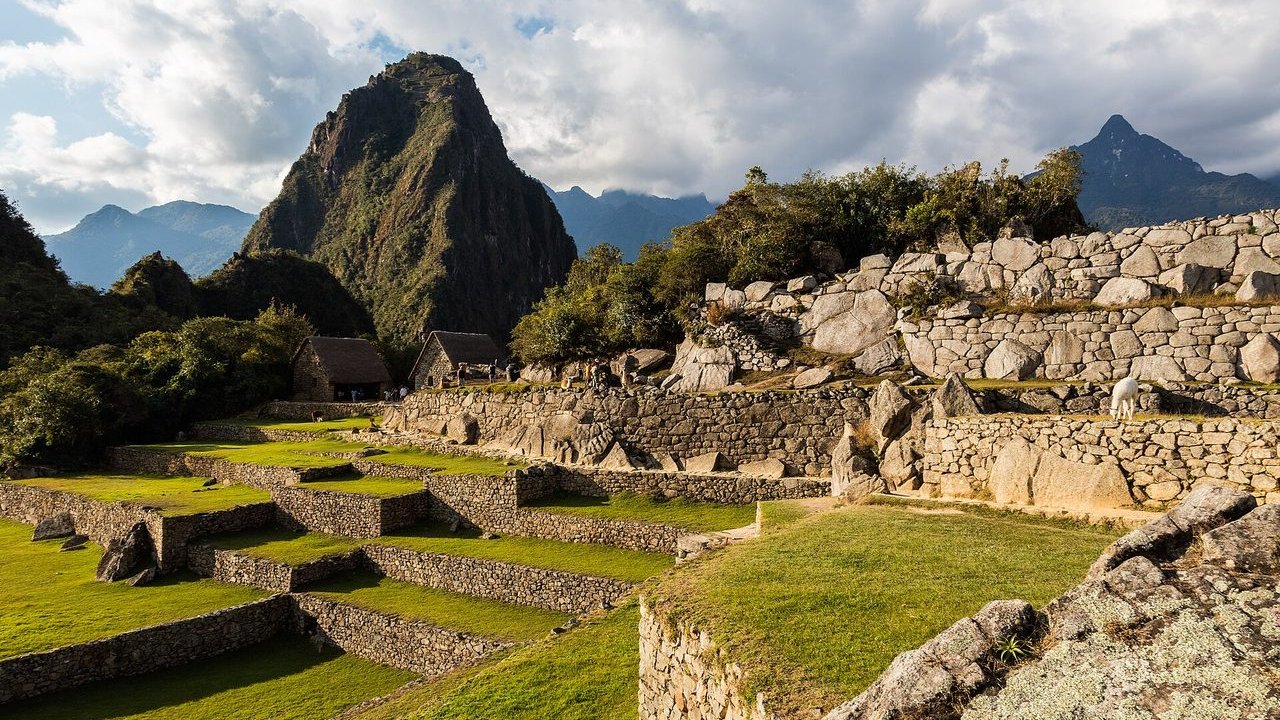
Machu Picchu: The City in the Clouds
A stone-lined canal 749 meters long, a cascade of 16 carved fountains, and buried drainage that alone took an estimated 60 percent of the total construction effort.
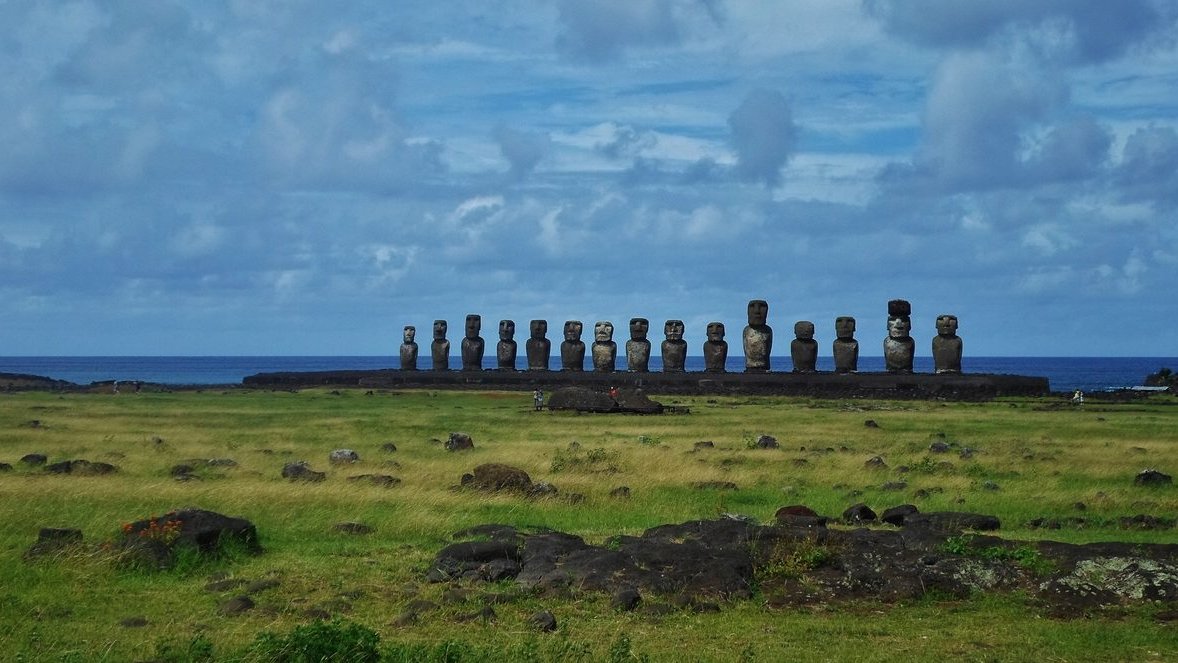
The Moai of Rapa Nui: The Statues That Walked
887 cataloged statues, one quarry, and transport roads that are U-shaped rather than flat. In 2012 three rope teams walked a 4.35-tonne replica moai 100 meters, upright.
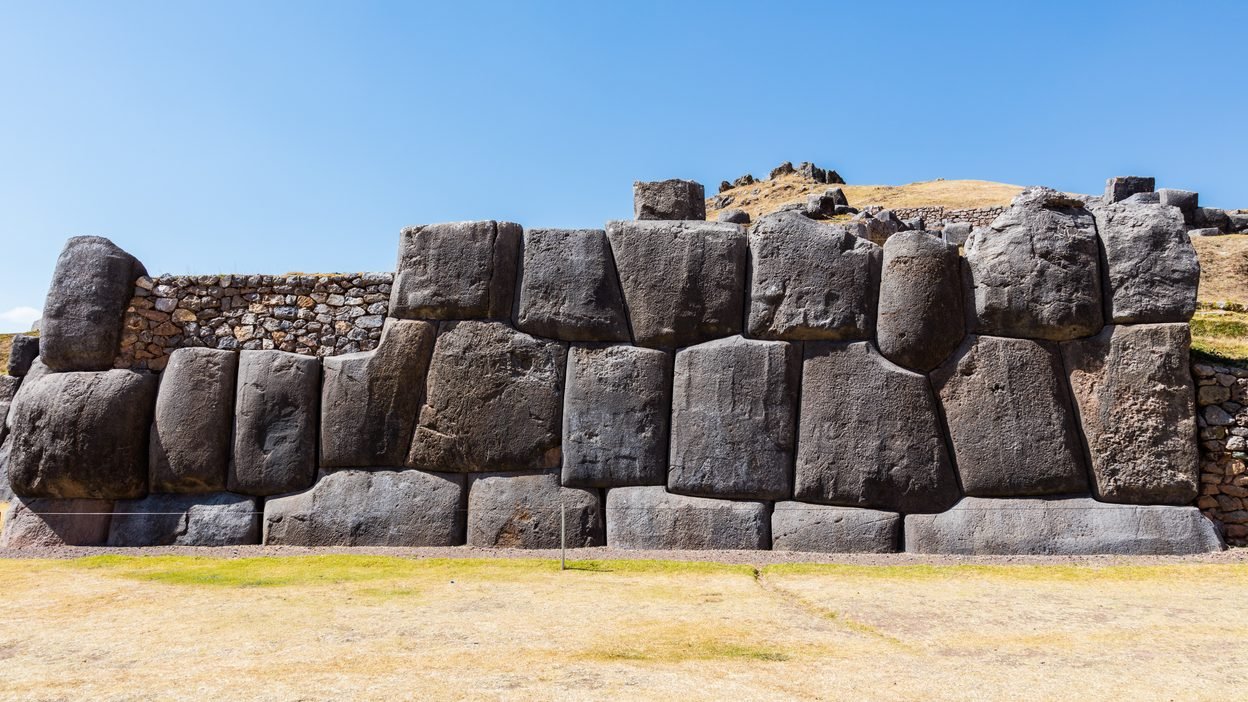
Sacsayhuaman: Boulders Fitted Tighter Than a Razor Blade
Three zigzag walls of multi-sided boulders, the largest estimated at 128 tons, fitted without mortar so closely that a razor blade will not enter the seam.
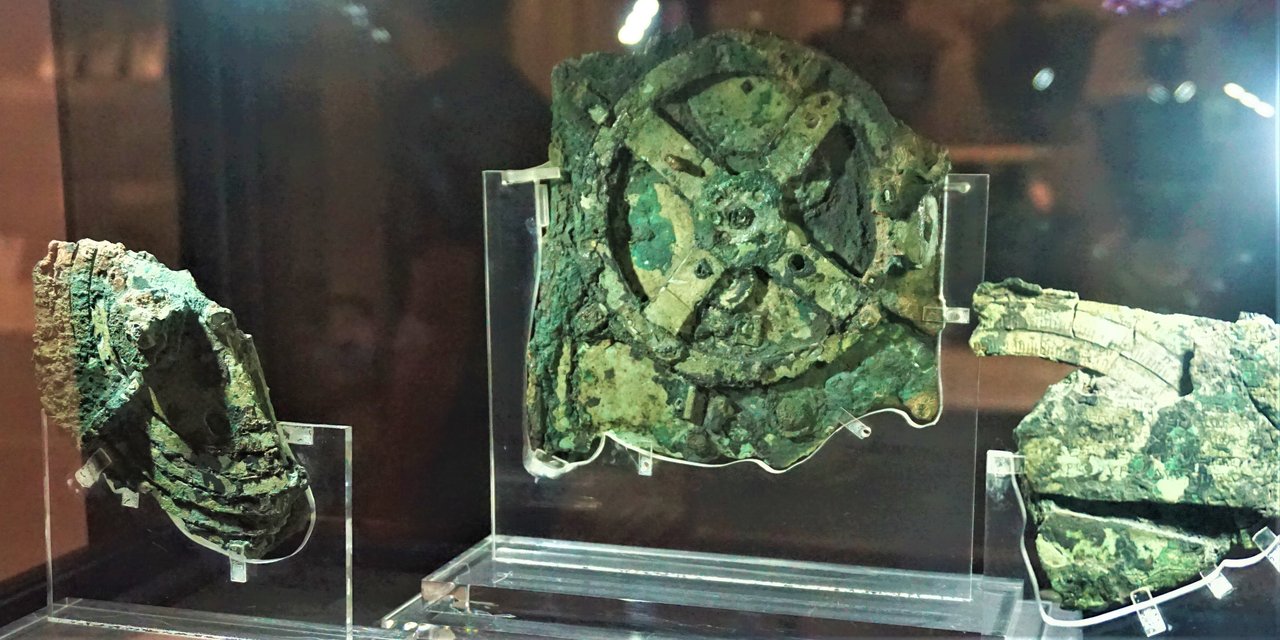
The Antikythera Mechanism: The 2,000-Year-Old Computer
In 1901 sponge divers pulled a corroded bronze lump from a Roman-era wreck; inside were thirty-plus gears that computed eclipses and calendars two thousand years ago.
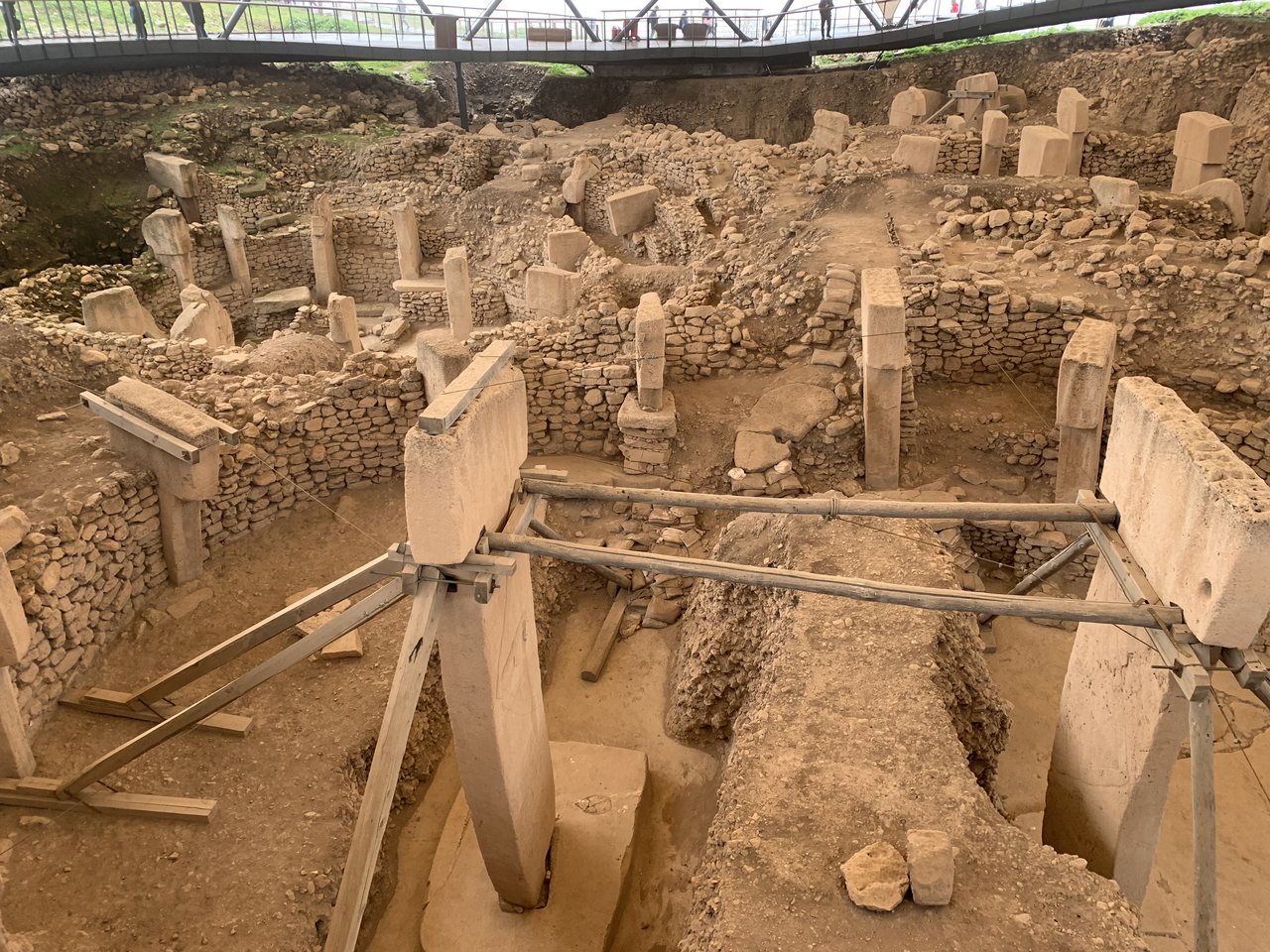
Gobekli Tepe: The Temple Built Before Farming
Around 9600 BCE, before pottery or metal, hunter-gatherers raised rings of twenty-ton stone pillars, six thousand years before Stonehenge.
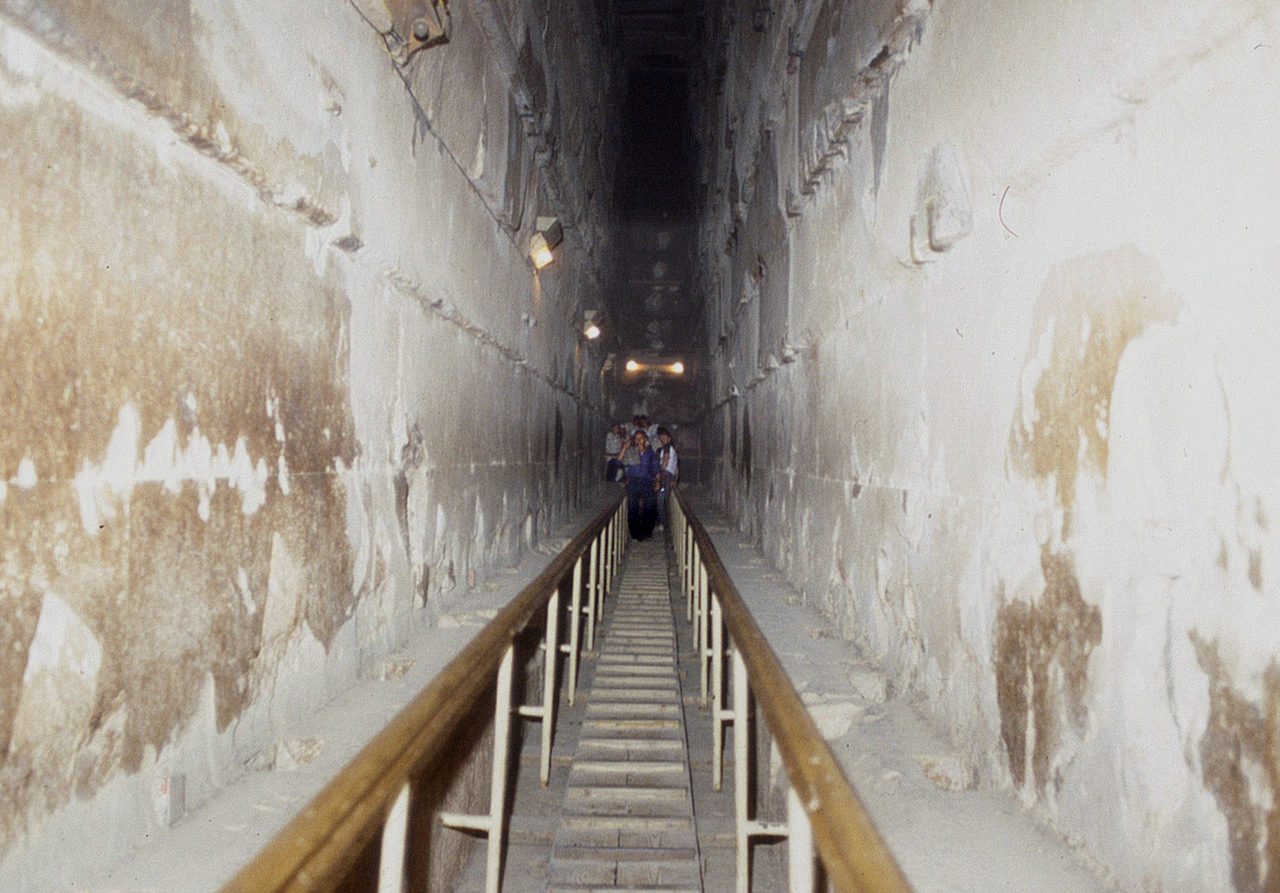
The Great Pyramid: The Most Precise Building of the Ancient World
Six million tons of stone aligned to true north within a twentieth of a degree, the most precise building of the ancient world, opened claim by claim.
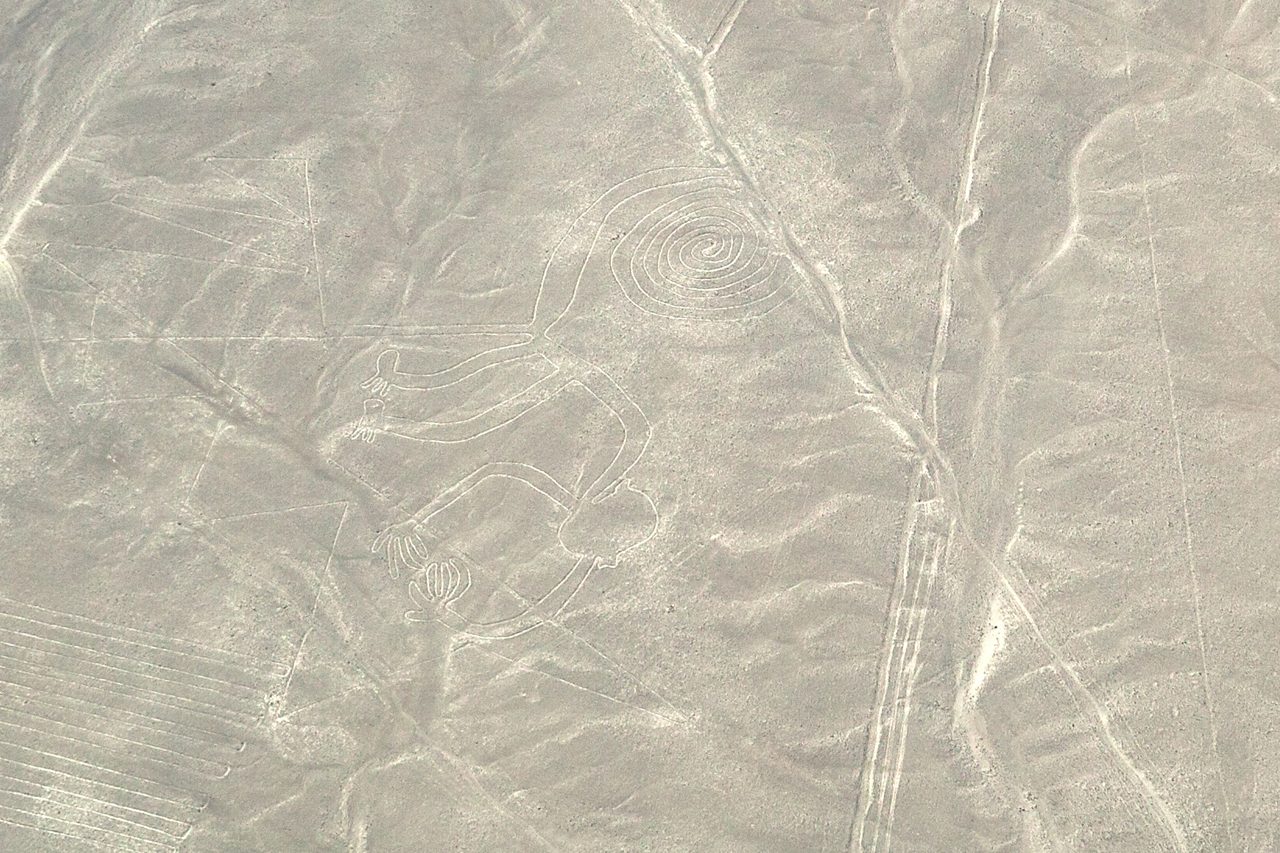
The Nazca Lines: Art for an Audience in the Sky
More than 1,500 giant figures scraped into a Peruvian desert two thousand years ago, drawn by human hands, not by anyone from the sky.
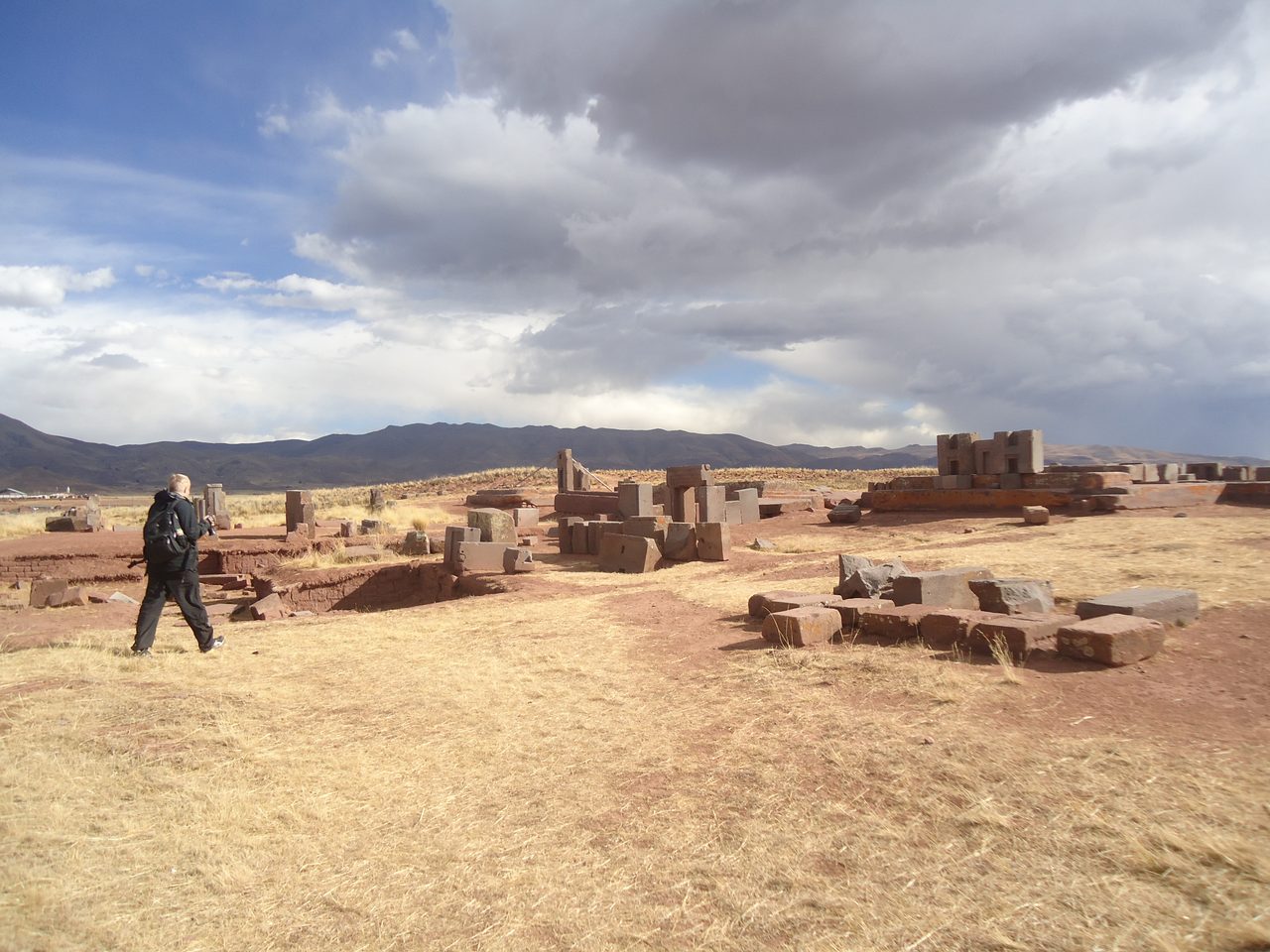
Puma Punku: The H-Blocks That Look Machine-Pressed
Blocks cut flat to within a millimeter or two, with inside corners crisp as if milled, shaped around 600 CE by masons who cast bronze but left no metal cutting tools and no writing we can read.