
The Scales of Ma'at
Virtue, justice, bioethics, and the moral questions new technology keeps forcing on us faster than our institutions can answer them. Named for the ancient measure of a life weighed against truth, this wing is where the corpus takes a side.
The Machine Question: Teaching Silicon Right from Wrong
A score nobody can inspect helps set a sentence, a weapon picks its own target, and the person we would normally blame is no longer in a position to be blamed.

Editing Eden: CRISPR and the First Designed Humans
In November 2018 a researcher in Shenzhen announced that twin girls had been born from embryos edited at a single gene, and the field he announced it to condemned the experiment within days. The record since is specific: a provincial investigation, a manuscript two journals declined, a conviction in a named court, and a governance architecture assembled afterwards. What the record does not contain is any independent account of the children's health, in either direction.
The Drowning Child: What the Rich Owe the Poor
A child is drowning in a shallow pond a few steps away. Singer argued in 1972 that wading in at the cost of muddy clothes is required, and that distance and anonymity cannot make the far-away case different in kind. That he argued it is settled. Whether it holds is not: the demandingness objections, Nozick's denial that any positive duty exists, and the charge that poverty is nothing like a pond are all live, and so is the question of whether aid works at all.

The Unbreakable Law: Kant and the Categorical Imperative
In 1797 Kant answered a published challenge by arguing that lying is always wrong, including to a murderer asking whether a friend is hiding inside. That the essay says so is settled. Whether he was right, and whether his own principles even require that answer, has been argued ever since by Hegel, Mill, Anscombe, Ross, Korsgaard, Varden and Parfit, and nobody has won.
The Veil of Ignorance: Justice as a Thought Experiment
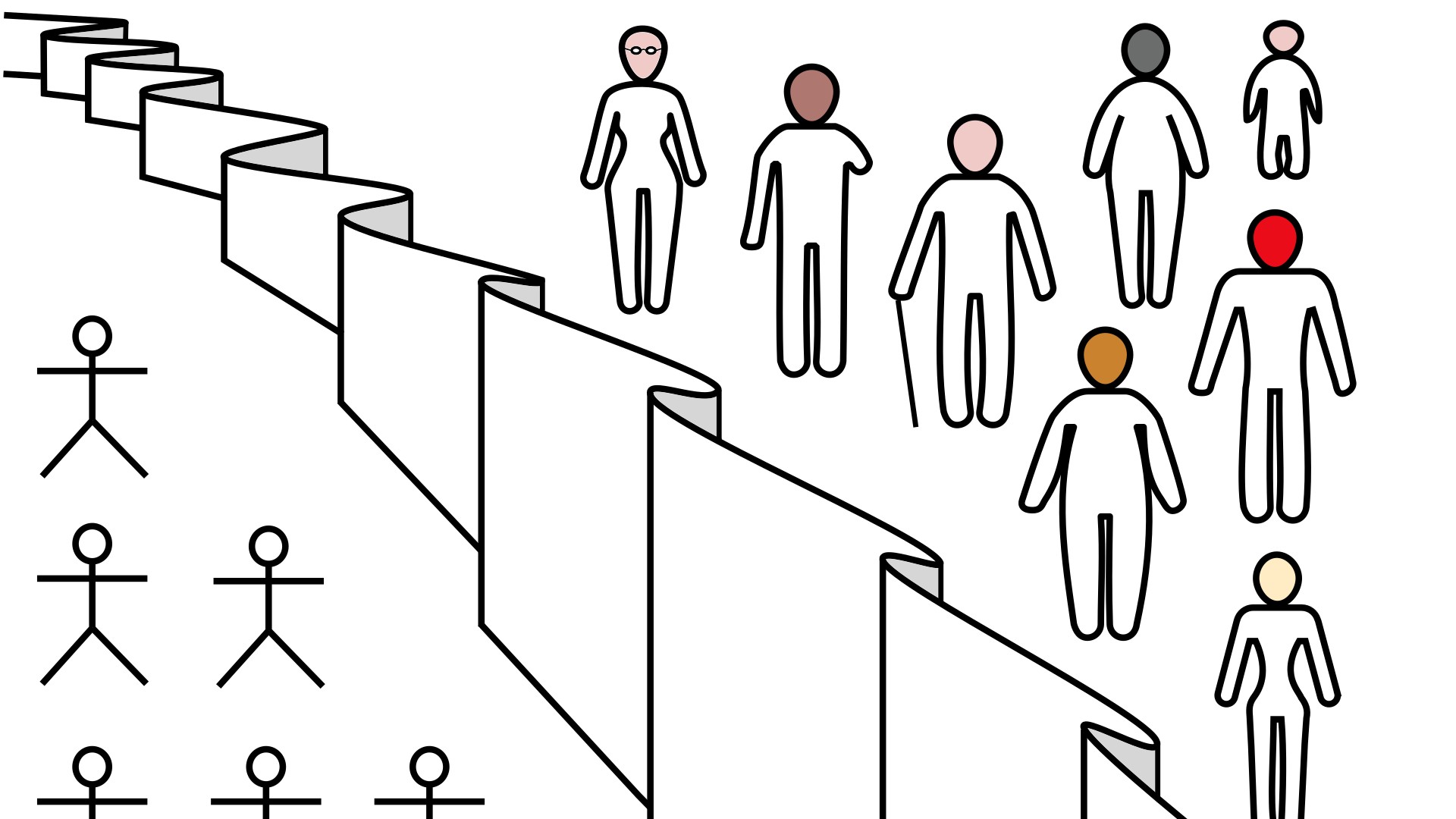
A person is asked to write the rules of a society without being told who in it they will be. Rawls argued in 1971 that agents choosing under that constraint would protect the worst-off. That his book argues this is settled; whether the argument works is not. An earlier version of the device was run to argue for utilitarianism instead, and Harsanyi, Nozick, Sen, Cohen, Okin and Mills each press it from a different side, with Rawls answering each.

Eighty-Five Seconds to Midnight: The Ethics of the Bomb
Deterrence works only if we sincerely intend to do the one thing that could never be justified. The bomb's moral paradox, the Clock at 85 seconds, and the argument neither side has won.
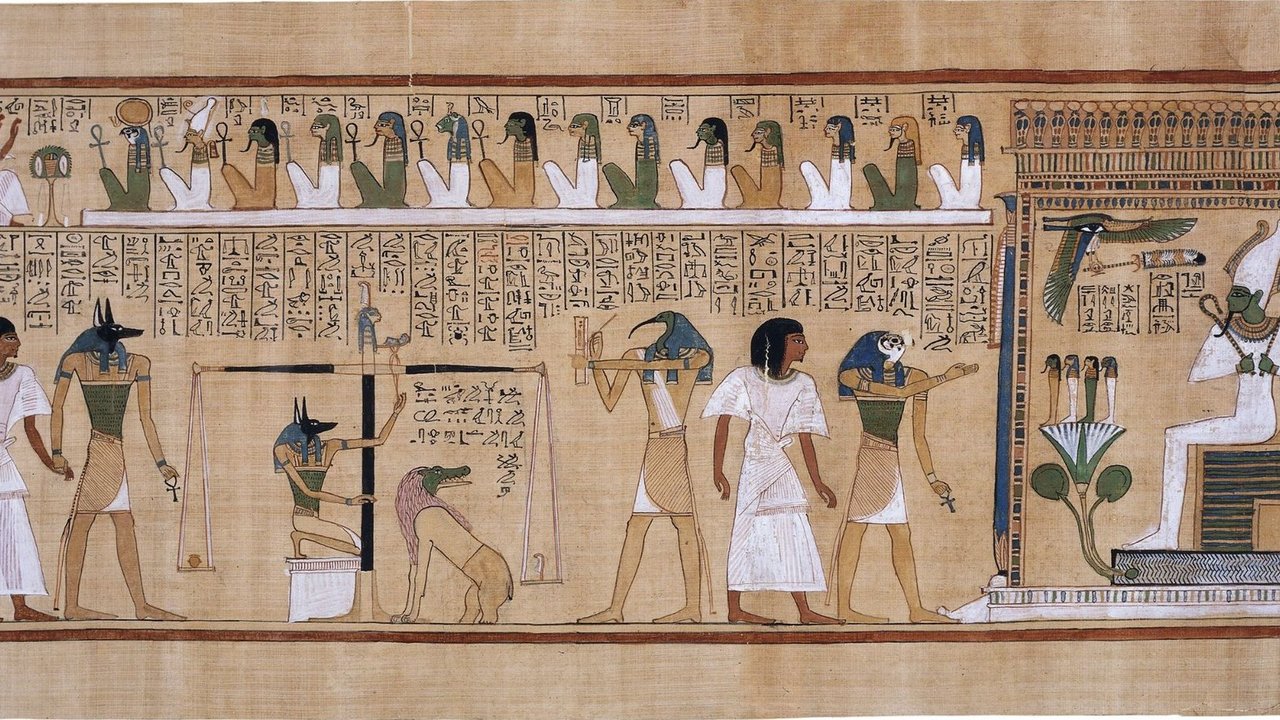
The First Scales: How Every Civilization Found the Same Rules
From Egyptian Ma'at to Confucius to Ubuntu, civilizations that never met wrote down the same rule. Here is that convergence, its real flaws, and the honest limit of what it proves.
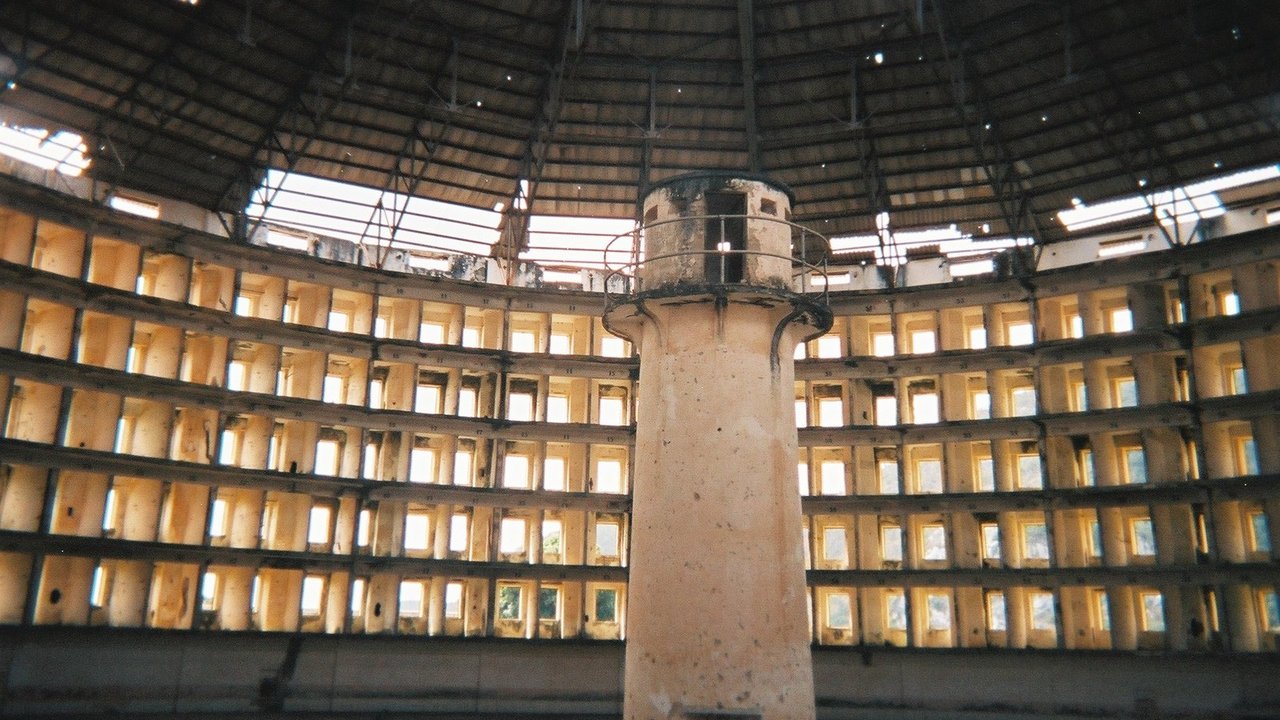
The Glass Panopticon: The Ethics of Being Watched
Bentham's unbuilt prison became the architecture of the smartphone age. What being watched does to us, the reality behind China's 'social credit,' and why the debate is not as settled as either side claims.
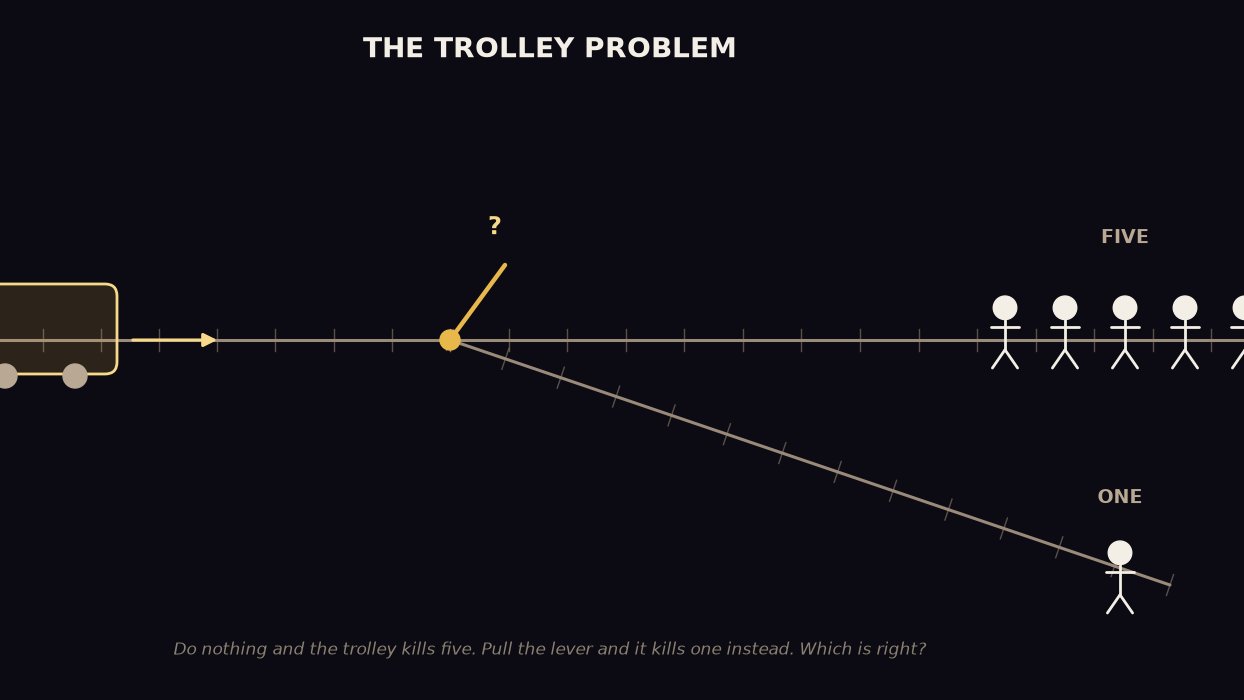
The Greatest Good: Morality as Arithmetic
Bentham tried to turn right and wrong into a calculation. The trolley problem is what happens when the math meets a human. Utilitarianism's real power, and its serious unresolved flaws.
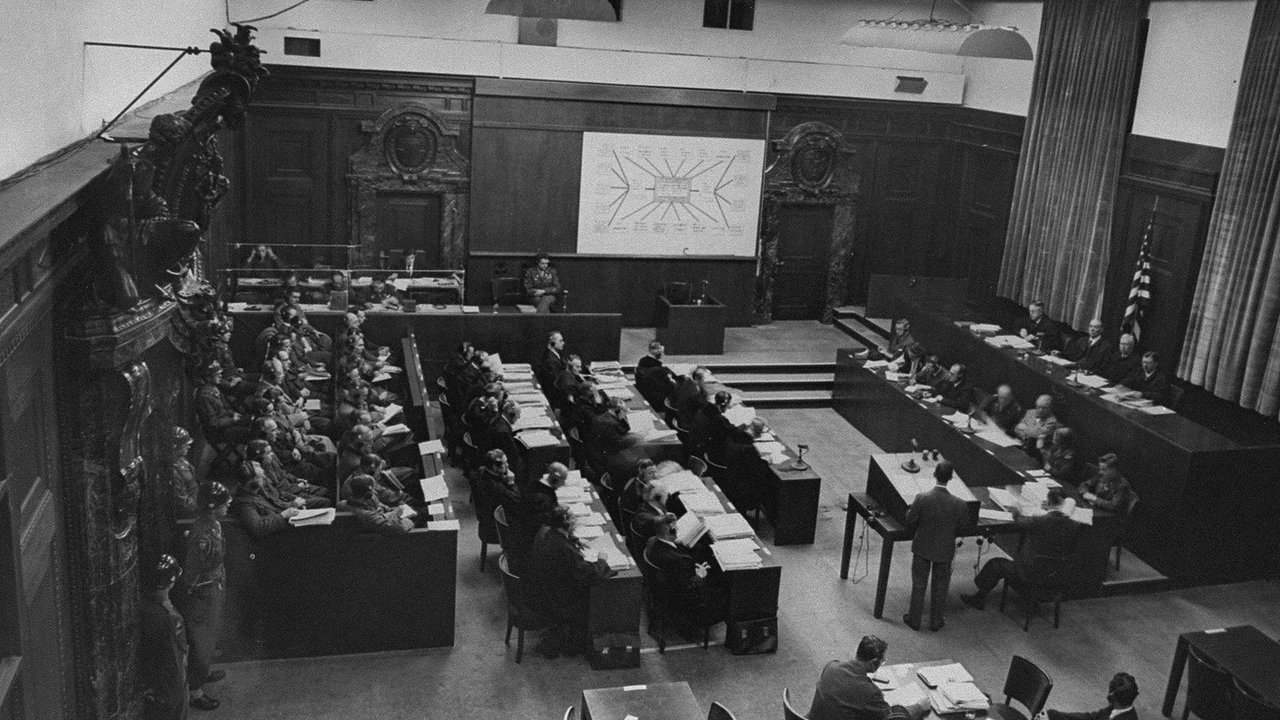
The Nuremberg Code: Consent Written in Catastrophe
Ten rules written into the verdict against the Nazi doctors, the first that consent is 'absolutely essential.' Why the Code was never law, why it did not stop Tuskegee, and why consent is harder than a signature.