
The First Scales: How Every Civilization Found the Same Rules
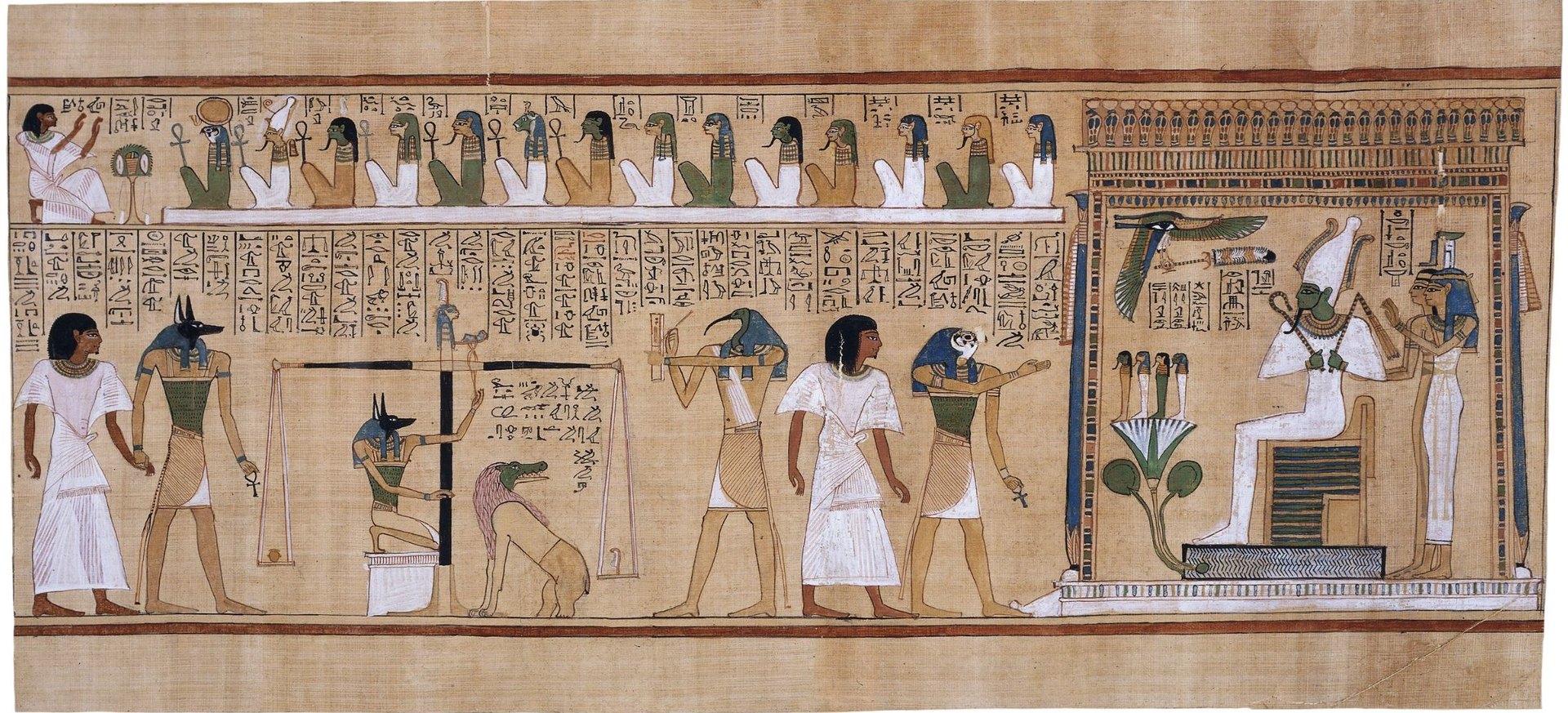
Four thousand years ago an Egyptian scribe wrote a rule onto papyrus: do for the one who may do for you. A Sumerian, a Confucian, a Hindu sage, a rabbi in Jerusalem, and a Zulu elder each arrived, with no knowledge of the others, at a version of the same rule. That convergence is the genuine and strange fact at the foundation of every moral tradition on Earth. It is also where honesty has to begin, because agreeing on the question is not the same as answering it, and what the convergence proves, a moral law written into the universe or an old instinct inherited from our ancestors, is exactly what no one has settled.
Here is a fact that sounds like it should be an exaggeration and is not: across the ancient world, civilizations separated by oceans, mountains, and thousands of years independently wrote down the same basic moral rule. Not a similar rule, not a rule in the same spirit, but very nearly the same sentence. Egyptians inked it onto funerary papyrus, Sumerians pressed it into clay, a Chinese teacher spoke it to his students, an Indian epic recorded it, a rabbi compressed the whole of the law into it, and a South African philosophy built an entire idea of personhood around it. This article is about that convergence: what it genuinely is, what it is not, and why it refuses to settle the argument that both the religious and the secular so badly want it to settle. It is the front door to a whole wing about how humanity has weighed right against wrong, and it opens, fittingly, on a scale.
01One Rule, Written Down Everywhere
The reciprocity ethic, what the West later called the Golden Rule, is independently attested in the traditional texts of civilization after civilization. The Egyptian version, from the Middle Kingdom Tale of the Eloquent Peasant, reads 'do for one who may do for you.' A Sumerian version counsels treating kindly the person who comes to you. The Hindu Mahabharata: 'do not do to others what would cause pain if done to you.' The Buddhist Udanavarga: 'hurt not others in ways that you yourself would find hurtful.' Confucius, in the Analects: 'do not impose on others what you do not wish for yourself.' The rabbi Hillel, asked to teach the whole Torah while standing on one foot: 'what is hateful to you, do not do to your neighbor; that is the whole Torah, the rest is commentary.' The Christian Gospel of Matthew: 'do unto others as you would have them do unto you.' A saying of the Prophet Muhammad: none truly believes until he wishes for his brother what he wishes for himself. And the southern African tradition of Ubuntu: a person is a person through other persons. The specific wordings differ; the shape does not.
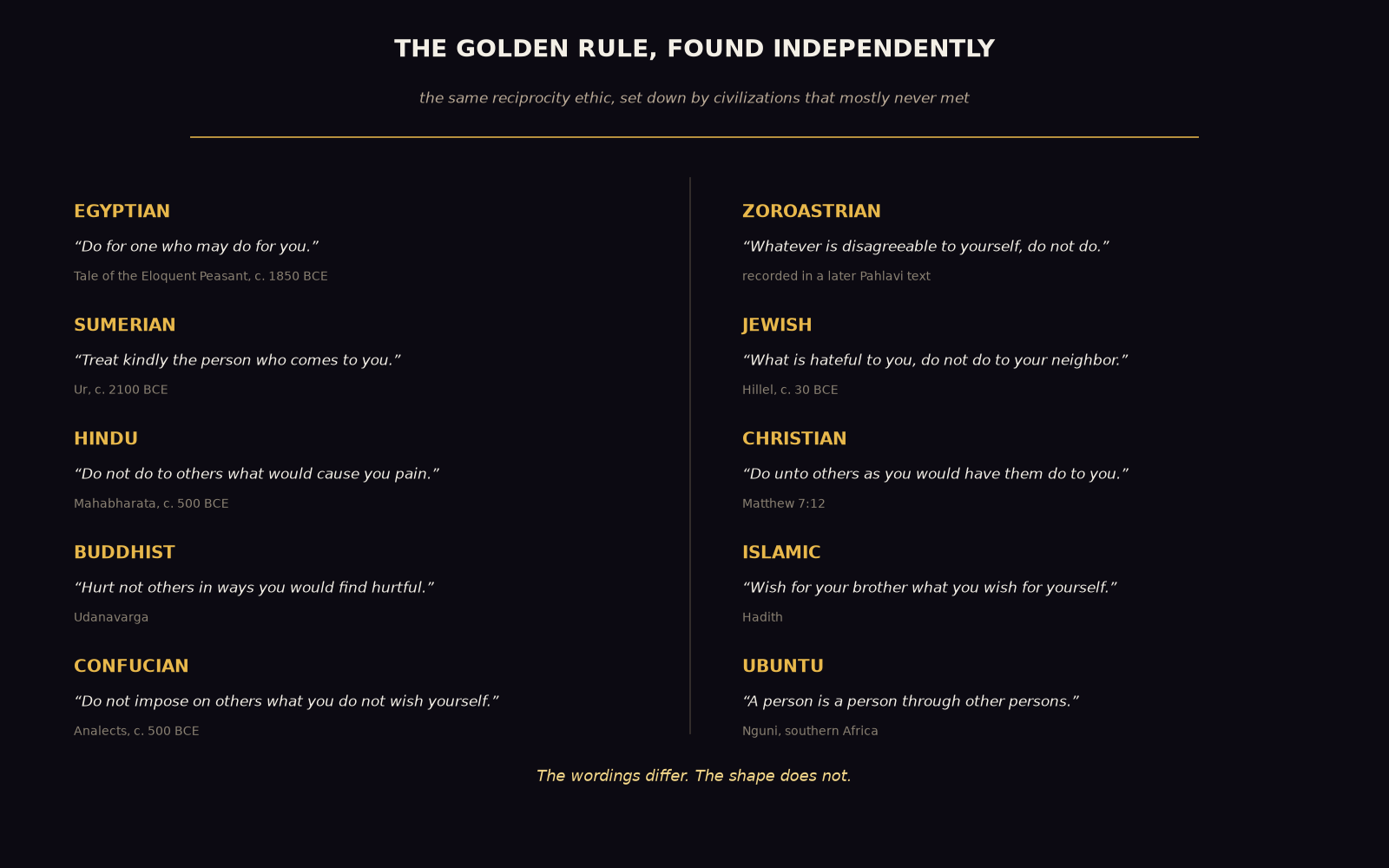
The independence is the striking part, and it has to be stated carefully, because the temptation to overstate it is strong. Confucius set the rule down in China around 500 BCE, well over a millennium after the Sumerian version and about five centuries before Hillel gave almost exactly the same answer in Judea, in a society separated from Zhou-era China by a continent and with no documented channel of direct contact between them. The Hindu and Buddhist versions form a third and fourth independent line, in India, around the same 500 BCE window. These are not one idea copied down a trade route; they are, as far as the record shows, several civilizations independently reaching for the same tool. (A caution: a version of this point circulates that calls Confucius and Hillel 'contemporaries,' which is simply a date error, they lived four to five centuries apart. The real and more interesting fact is the independence across both distance and time, not a shared moment.)
02The Oldest Scale: Ma'at
The wing is named for the Egyptian answer, and the hero image above is one of its most iconic surviving pictures. Ma'at was the goddess and the cosmic principle of truth, balance, order, and justice, attested as a concept at least as far back as the Old Kingdom (around 2686 to 2181 BCE), with early written traces in the Pyramid Texts near 2375 BCE. For the Egyptians, ethics was not arbitrary human convention but alignment with that cosmic order, and its violation created isfet: chaos, injustice, the world knocked off true. The famous scene of the heart weighed against Ma'at's feather is the moral idea made visual: at death the heart is measured against truth itself, and the 42 'Negative Confessions' of the Book of the Dead ('I have not stolen,' 'I have not killed,' 'I have not told lies,' even 'I have not polluted the water') are the self-audit spoken before the scale. It is worth keeping two dates distinct here rather than compressing them into one impressive number: Ma'at the principle is very old, while the specific reciprocity-phrased Egyptian quote comes from a later Middle Kingdom text, closer to 1850 BCE.
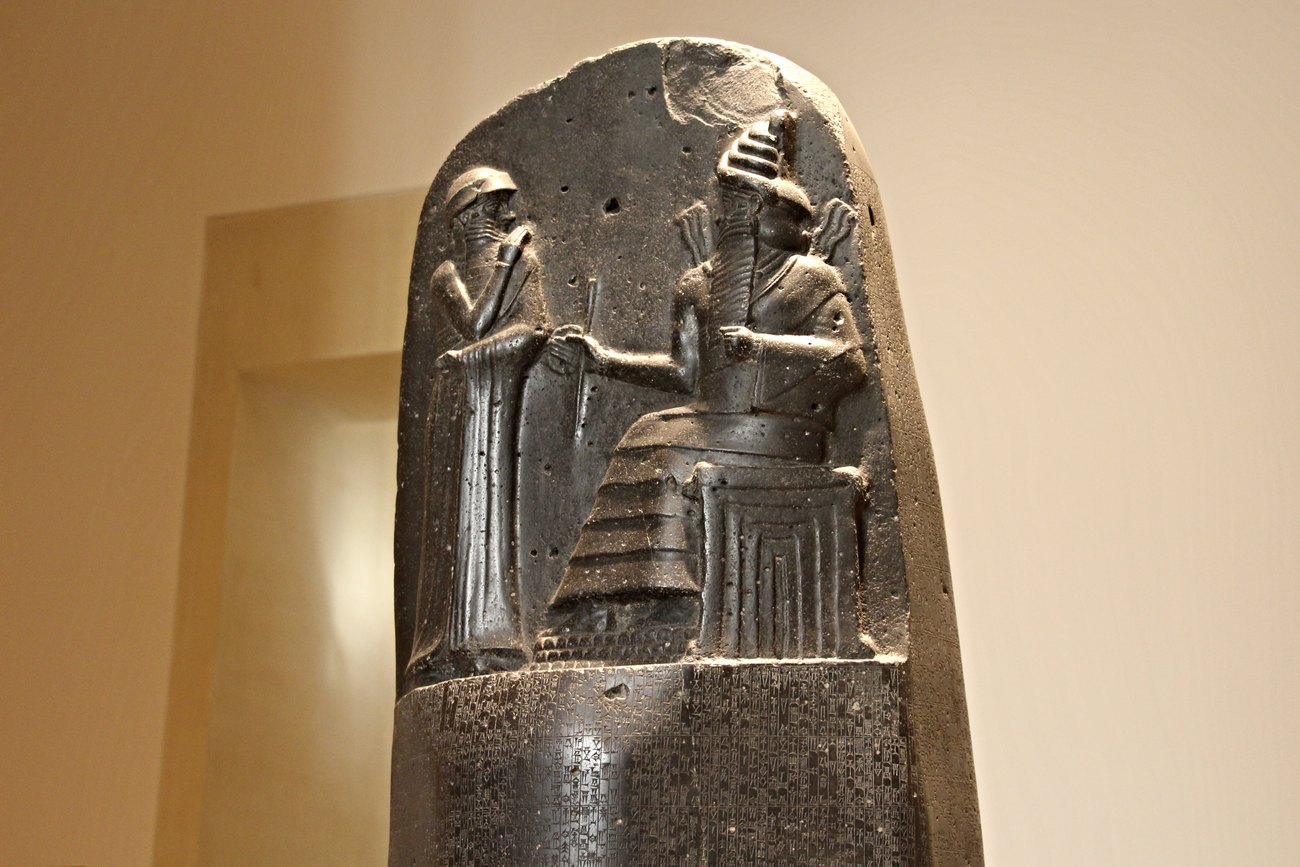
Egypt was not alone in writing morality down. Its neighbors in Mesopotamia produced some of the first great law codes, and across the ancient Near East the same move recurs: the shift from rules held in memory to rules fixed in public text, binding on ruler and ruled alike. This is a different thing from the Golden Rule (a code of specific laws with specific penalties, rather than a single principle of reciprocity), and the two should not be blurred together. But they spring from one underlying development that this wing keeps returning to: the human decision to treat right and wrong as something that can be stated, examined, argued over, and held up as a standard, rather than simply felt. Once a culture puts its morality on a scale, or a stele, it has made a claim that can be tested, which is exactly what the rest of this wing does to claim after claim.
03How Do We Know It Is Really Universal?
Anecdotes about matching proverbs would not be enough on their own; the convergence has been checked more rigorously than that. The writer C.S. Lewis, in 'The Abolition of Man' (1943), compiled parallel moral codes from Egyptian, Babylonian, Hindu, Chinese, Greek, Norse, and Aboriginal Australian sources and argued that eight principles recur across all of them, including general and special beneficence, duties to parents and posterity, justice, honesty, mercy, and magnanimity. (Lewis went on to argue that these are discovered features of reality rather than cultural inventions; that is his own natural-law position, offered as an argument, not a proven fact, and this article carries it as his claim, not its own.) More systematically, the anthropologist Donald Brown catalogued more than two hundred 'human universals' in 1991, among them a murder taboo, an incest taboo, reciprocity, and concepts of fairness and of right and wrong. And Yale's Human Relations Area Files, holding ethnographic data on more than four hundred cultures, is the archive that makes such claims checkable rather than merely asserted.
Two more recent findings sharpen the picture. Jonathan Haidt and Craig Joseph's Moral Foundations Theory, developed from 2004 and popularized in Haidt's 'The Righteous Mind' (2012), proposes that human moral judgment runs on a small set of foundations (care, fairness, loyalty, authority, sanctity, and later liberty) that show up across more than thirty countries, though cultures weight them differently. And a 2019 study by Oliver Scott Curry and colleagues, published in Current Anthropology, analyzed six hundred ethnographic records from sixty societies and found seven candidate moral rules (help your family, help your group, reciprocate, be brave, defer to legitimate authority, divide resources fairly, respect prior possession) endorsed in all sixty, with no society reversing any of them. The careful reading of all this evidence is not that every culture agrees on what is right in every case; it is that the same handful of moral concerns, and the reciprocity rule above all, appear to be genuinely species-wide. What varies is the weighting and the application. What recurs is the frame.
04Many Names for the Same Idea
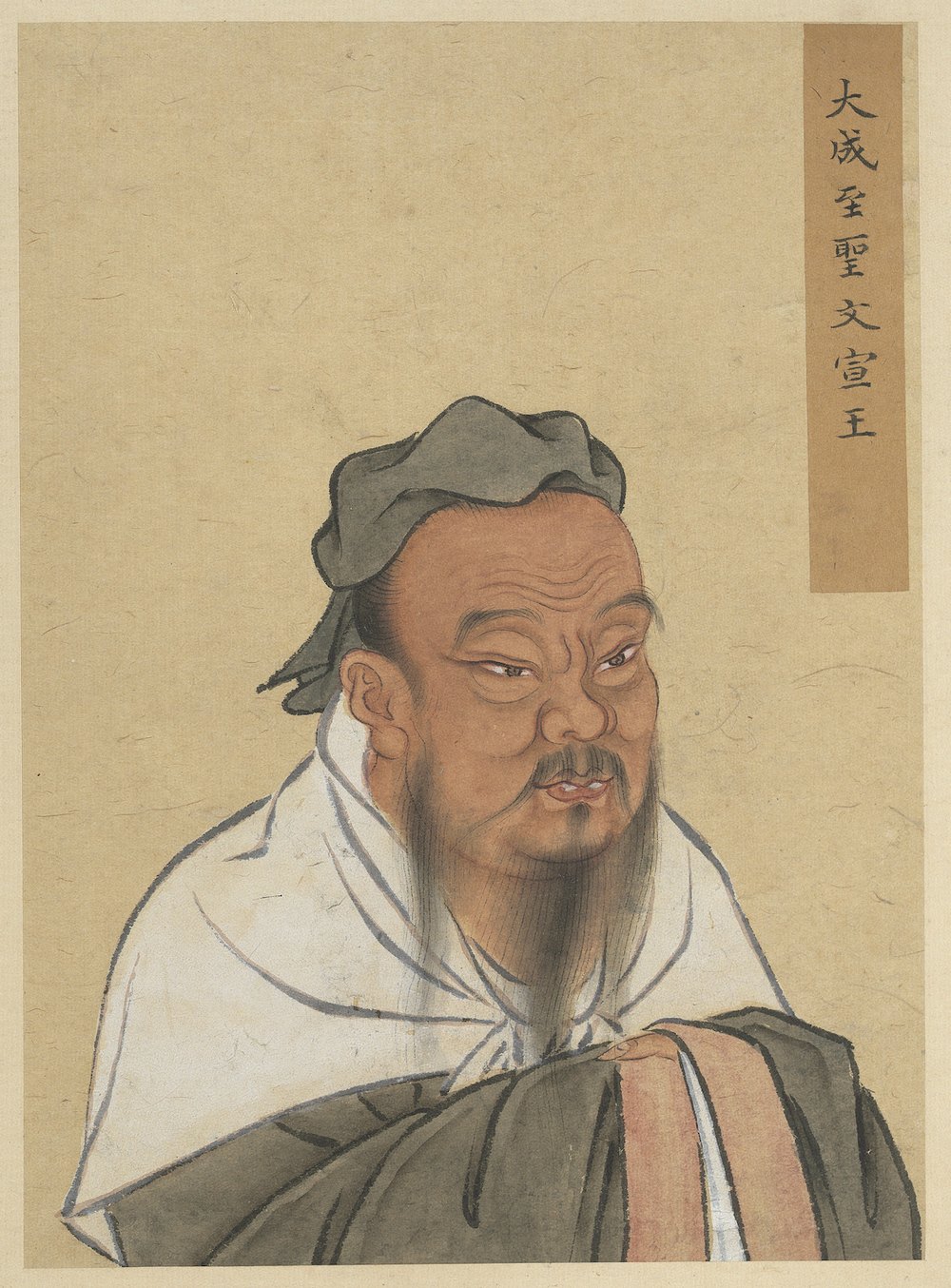
The traditions do not just share a rule; they each grow a whole moral world around it, and the differences are as instructive as the likeness. Confucian ethics centers on Ren (humane benevolence), Li (ritual and right conduct), and Xiao (filial devotion), and treats the self as woven from its relationships rather than standing apart from them, a genuinely different starting point from the autonomous individual of much Western thought. Even within the tradition there is live disagreement: Mengzi held human nature to be innately good, a seed needing water, while Xunzi held it to tend toward selfishness, needing discipline. The Western natural-law line (Cicero's 'true law is right reason in agreement with nature,' Aquinas's rational participation in a divine order, Grotius's claim that such law would hold 'even if God did not exist') reaches for the same universality by way of reason rather than revelation.
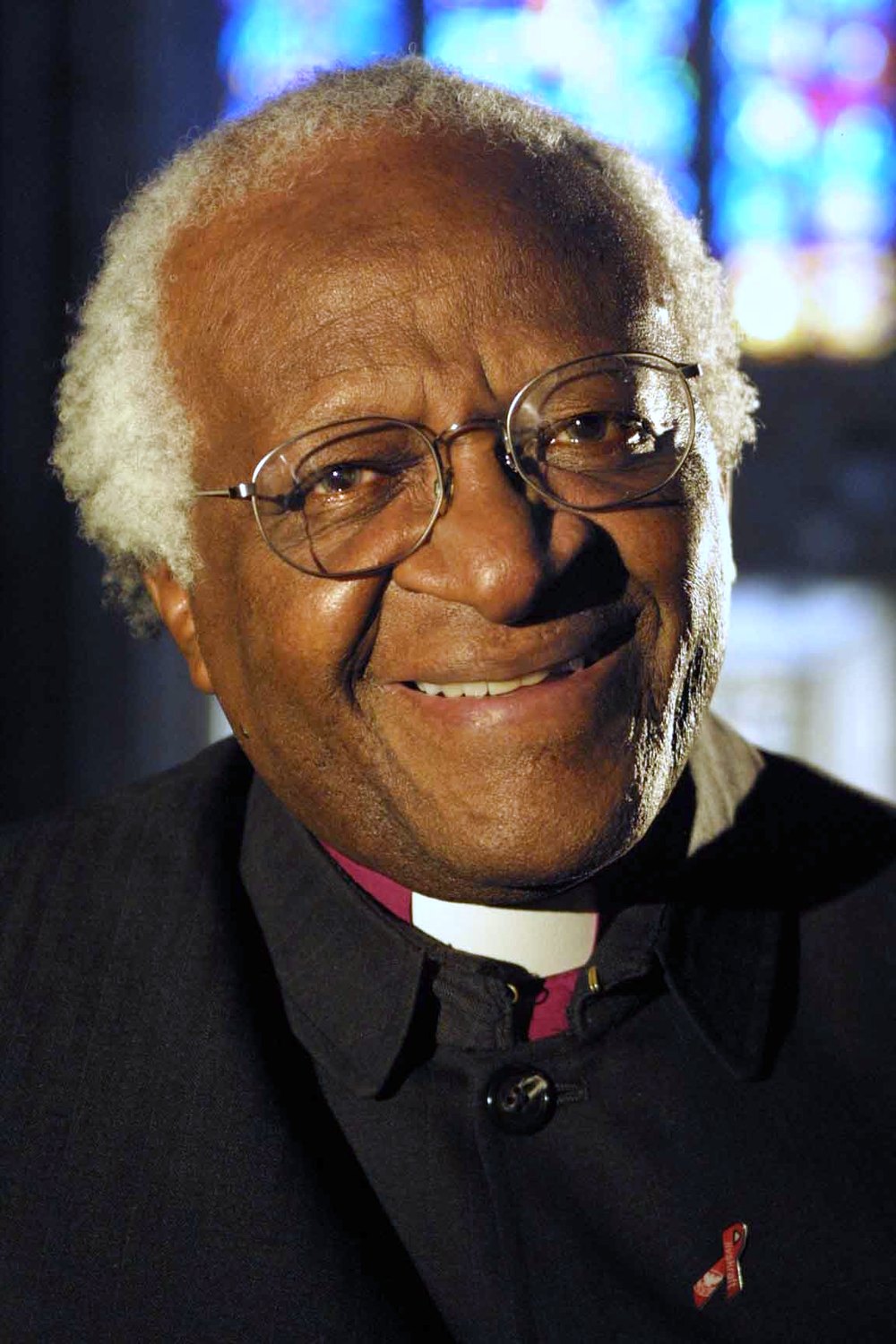
One caution belongs right here, because it is easy to get wrong. Immanuel Kant's Categorical Imperative ('act only according to that maxim whereby you can at the same time will that it should become a universal law') looks like the Golden Rule dressed in formal clothes, and is often described that way. But Kant himself explicitly rejected the Golden Rule as inadequate, arguing it fails to ground duties to oneself and could even let a criminal object to the judge who sentences him; he offered his imperative as a stricter replacement, not a restatement. Meanwhile the southern African tradition of Ubuntu, which Desmond Tutu placed at the foundation of South Africa's Truth and Reconciliation Commission, and which the philosopher Thaddeus Metz argues is a genuine third moral theory rather than a regional flavor of the Western two, roots the same reciprocity in a claim about personhood itself: you become a person only through other persons. Same rule at the surface; strikingly different foundations underneath. That the foundations differ is precisely why the convergence does not settle as much as it first seems to.
05So Why Did It Happen? Three Honest Answers
If so many cultures found the same rule, why? Mainstream scholarship has not settled on one cause, and there are three serious candidates, not mutually exclusive. The first is evolved reciprocity: humans everywhere face the same problem of cooperating with one another, and natural selection may have built the same rough solution into our moral psychology, through kin selection (Hamilton, 1964), reciprocal altruism (Trivers, 1971), and the tit-for-tat cooperation that Robert Axelrod modeled in 1984. The primatologist Frans de Waal documents apparent fairness and empathy in other primates, most famously the capuchin monkeys who refused a cucumber once they saw a neighbor paid in grapes for the same task. The second candidate is independent invention: the older anthropological idea of the 'psychic unity of mankind,' that minds built alike, facing alike problems, will keep reinventing alike answers. The third is diffusion: that during the so-called Axial Age (very roughly 800 to 200 BCE), expanding trade and contact across Eurasia let ethical and religious ideas travel between Greece, Persia, India, and China, the very window several of these Golden Rule attestations date from.
The honest state of the question is that no one knows which of the three, or what mix of them, is right, and even the Axial Age itself is debated among historians as a genuine pattern versus a category imposed in hindsight. What matters for this article is a distinction that is easy to blur and important to keep sharp: this is the mainstream debate, and it is entirely separate from the more exotic speculations that sometimes attach to the same facts (that the convergence points to a single lost source civilization, or to some field of shared consciousness). Those are a different kind of claim at a different level of evidence, and the next section keeps them clearly labeled as what they are. Wondering why every culture found the rule is good science. Answering the wondering with a hidden teacher is not the same move, and should never be allowed to borrow the credibility of the first.
06The Rule Is Not Flawless
It would be easy, having laid all this out, to leave the impression that humanity discovered a perfect moral formula and merely phrased it a dozen ways. It did not, and the honest philosophical literature has known the flaws for a long time. The oldest is the problem of differing tastes: the Golden Rule tells you to treat others as you would want to be treated, but assumes your own preferences are a safe guide to theirs, which fails the moment they genuinely differ. George Bernard Shaw put the objection with a grin worth quoting: 'Do not do unto others as you would that they should do unto you. Their tastes may not be the same.' Taken literally, a person who wished to be treated harshly could use the rule to justify treating others harshly. Kant, as noted above, raised a related and deeper objection, that the rule cannot by itself generate the full range of moral duties. None of this shows the reciprocity ethic is worthless, and most traditions in practice read it charitably rather than literally. But the rule is a starting point for moral thought, not the finished answer, and a survey that pretended otherwise would be selling something.
07The Overclaim, in Both Directions
Because the convergence is so striking, it attracts big interpretations, and the honest thing is to name them and rank them by evidence rather than by appeal. At the speculative end sit readings that go well beyond the mainstream: that the shared moral codes are a memory of a single ancient source civilization that taught them (the same 'knowledge-giver' framing that attaches, in this project's own wider material, to figures like the Mesopotamian Apkallu or the Andean Viracocha), or that morality resonates across cultures through some non-physical field of the kind Rupert Sheldrake has proposed. These are interesting to think with, and they are exactly what they say they are: speculation, not established fact, unsupported by any accepted mechanism, and not endorsed by the traditions themselves. They are flagged here, clearly, as ideas at the far edge of the evidence, precisely so they are not mistaken for the solid ground of the earlier sections.
The two overclaims that matter most, though, are the ones that pull the whole subject toward a verdict it has not earned, and they pull in opposite directions. The first: that the universal Golden Rule proves an objective moral law woven into the universe (sometimes paired with the claim that only God could write such a law). That does not follow. The old Euthyphro dilemma (is a thing good because it is commanded, or commanded because it is good?) already loosens the tie between morality and any commander, and a shared instinct is not the same as a proven cosmic statute. But the mirror overclaim is just as unearned: that because biology and culture can explain why we hold these rules, the rules are therefore nothing but evolved self-interest, fully explained away, with no real claim on us. That does not follow either. Explaining the origin of a belief does not settle whether the belief is true or binding, a shared human conviction is not refuted by having a history. What is genuinely established is the convergence of the question every culture asked. What that convergence means, a discovered law, an evolved instinct, or something we do not yet have the concepts for, is exactly what remains open, and this wing crowns neither side.
Fast Facts
- The pattern
- The reciprocity rule (the Golden Rule) is independently attested across ancient civilizations that mostly never met
- Oldest scale
- Egyptian Ma'at, truth and cosmic order, with the heart weighed against her feather at death
- The evidence
- Brown's 200-plus human universals; Haidt's moral foundations across 30-plus countries; Curry's 7 rules endorsed in all 60 studied societies
- Three explanations
- Evolved reciprocity, independent invention, and cultural diffusion, none settled as the cause
- A real flaw
- The 'differing tastes' objection (Shaw); Kant rejected the Golden Rule as inadequate, not a restatement of his own imperative
- Contested dates
- The Zoroastrian text is a much later Pahlavi compilation; the Ten Commandments' composition date is scholarly-disputed
- The double refusal
- The convergence proves neither an objective moral law nor mere evolved self-interest with no normative force
What We Can Actually Stand Behind
The convergence is real and documented. Civilization after civilization, in most cases with no channel of contact, set down a reciprocity rule in strikingly similar words, and the cross-cultural evidence (Lewis's parallel codes, Brown's human universals, the HRAF archive, Haidt's moral foundations, Curry's 60-society study) shows the same small family of moral concerns recurring worldwide. That every human culture independently asked how people should treat one another, and mostly answered it the same way, is a genuine fact about our species.
The cause of the convergence is a live, unsettled scholarly debate with three serious candidates: evolved reciprocity, independent invention, and cultural diffusion across the Axial Age. Each has real support and none has won. And the rule itself is not flawless: the differing-tastes objection and Kant's critique are old, real, and unresolved, so the Golden Rule is best treated as a foundation for moral reasoning rather than its conclusion.
The more exotic readings, that the shared codes descend from a single lost source civilization, or resonate through a non-physical field, are speculation clearly labeled as such: interesting, unproven, unsupported by any accepted mechanism, and not claimed by the traditions themselves. They must never be allowed to borrow the credibility of the well-evidenced convergence they sit beside.
This is where the discipline bites. No, the universal Golden Rule does not prove an objective moral law written into the cosmos (a shared instinct is not a proven statute, and the Euthyphro dilemma loosens the tie to any divine author). But equally, no, the fact that biology and culture can explain the rule does not explain it away, or reduce it to mere self-interest with no claim on us (a belief's origin does not settle its truth). We refuse both the believer's proof and the skeptic's dismissal, and leave standing exactly what the evidence supports: the question converged; its answer has not.
There is something quietly moving about the picture once the overclaims are cleared away. Thousands of years apart, in valleys and river deltas and walled cities that would never hear of one another, human beings kept looking at the problem of how to live alongside each other and kept reaching for the same worn tool. That does not tell us the universe has a moral floor, and it does not tell us morality is a trick of the genes. It tells us something smaller and more certain: that the question is not parochial, not the property of any one faith or philosophy or age, but something the species asks wherever it appears. The Egyptians imagined the answer as a scale, a heart weighed against a feather. It remains a good image, because a scale does not tell you the answer. It only insists that there is something to be weighed. That insistence, shared across all of human history, is where this wing begins, and every article that follows is another heart laid on the pan.
Sources & further reading
Everything above is drawn from our research library on Theories of Anything. Open the full file to check the sourcing and go deeper.
Image credits
- The Judgement of the Dead in the Presence of Osiris, from the Papyrus of Hunefer, c. 1275 BCE, British Museum (EA 9901) Ancient Egyptian, c. 1275 BCE; British Museum, London (EA 9901), via Wikimedia Commons. Public Domain Source.
- The Golden Rule, Found Independently (original chart of ten traditions' reciprocity sayings) Original chart by Theories of Anything. CC BY-SA 4.0 Source.
- The Code of Hammurabi stele, Babylon c. 1754 BCE, Louvre Museum (Sb 8) Photograph by Fred Romero, 2016, via Wikimedia Commons. CC BY 2.0 Source.
- Confucius, from 'Half Portraits of the Great Sage and Virtuous Men of Old', Yuan dynasty, National Palace Museum, Taipei Anonymous, Yuan dynasty (1279 to 1368); National Palace Museum, Taipei, via Wikimedia Commons. Public Domain Source.
- Archbishop Desmond Tutu, formal portrait, c. 2004 Photograph by Benny Gool (released, no copyright), via Wikimedia Commons. Public Domain Source.
- Card crop of the Papyrus of Hunefer judgment scene Ancient Egyptian, c. 1275 BCE; British Museum, London (EA 9901), via Wikimedia Commons. Public Domain

-31434550325.jpg)

