
The Mind's Mirror
How one mind thinks and how a crowd of them thinks together: archetypes, cognitive bias, propaganda, and mass behavior. This wing turns the same evidence standards used on ancient ruins onto the machinery of belief itself.
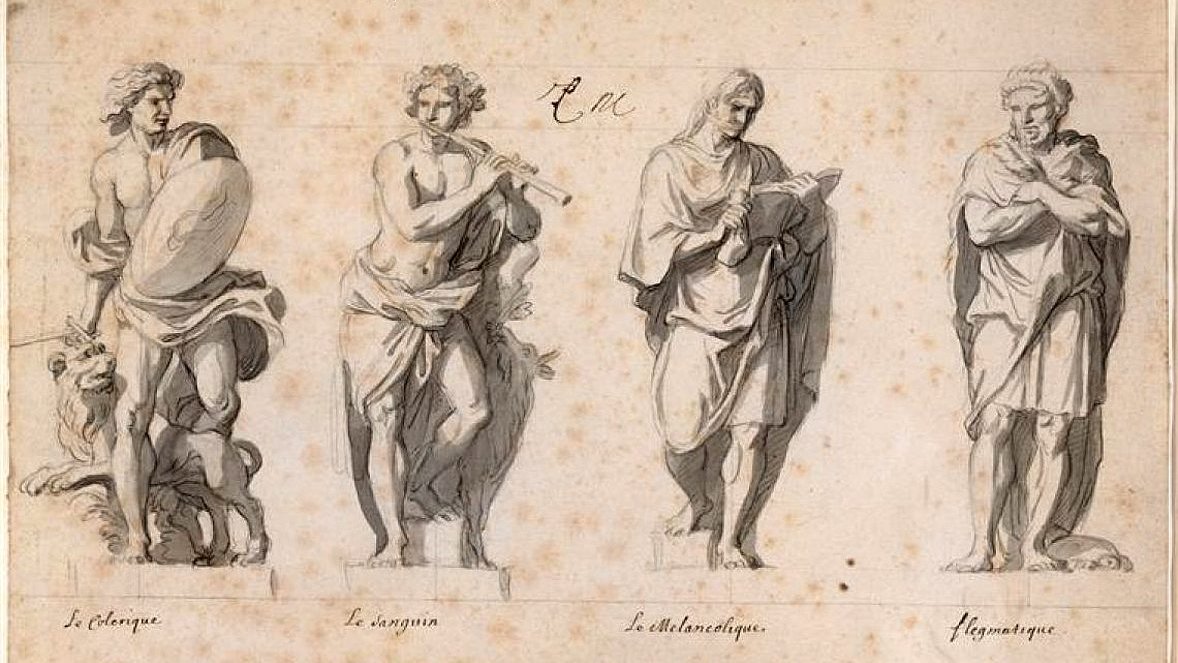
The Big Five: Five Dimensions Recovered from Language, and the Boundary Nobody Has Settled
Five dimensions, recovered from the vocabulary a language keeps for describing people, and first set out in a 1961 United States Air Force technical report that academic psychology left largely unread for three decades. The structure replicates, and the replication has a boundary: our own research file credits more than fifty cultures to a paper that studied six translations, and two published tests outside literate, industrialised samples came back negative, one on the model and one on the questionnaires that measure it. Heritability near half does not mean half of you is fixed at birth. And the Big Five is not a better Myers-Briggs, because it has no types at all.
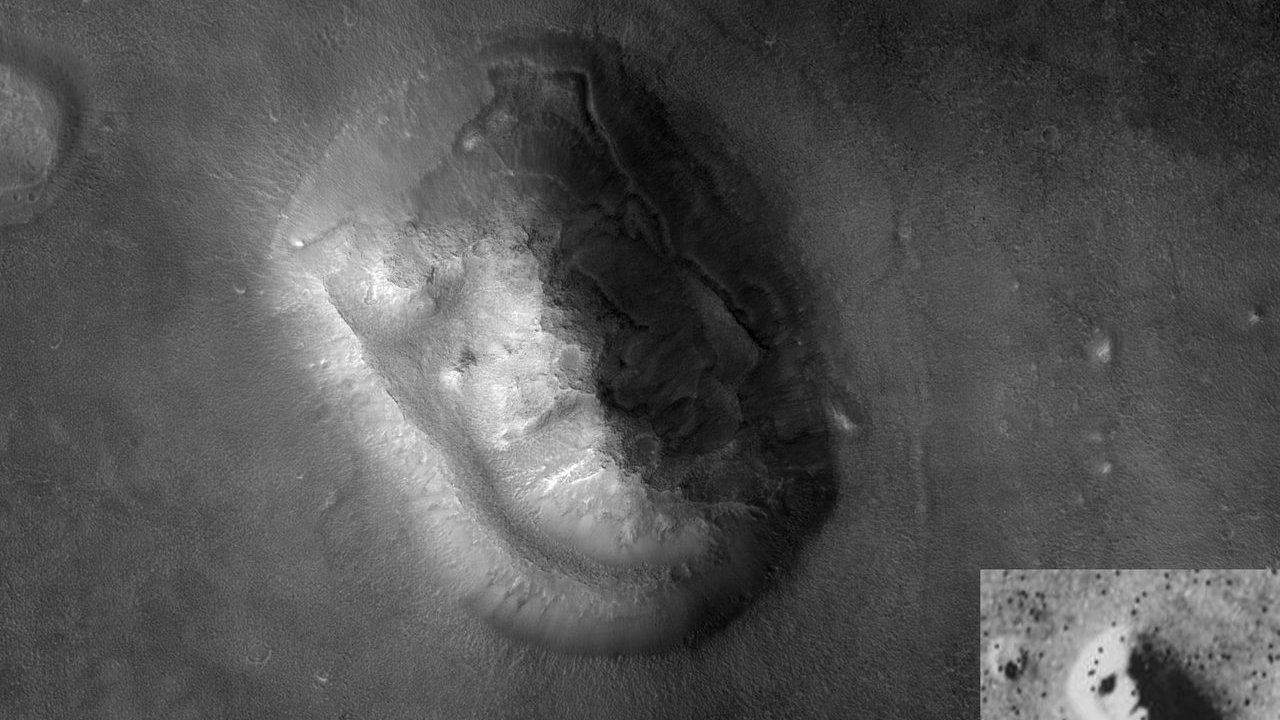
Conspiracy Thinking: Real Plots, Invented Patterns, and the Problem of Telling Them Apart
Some conspiracies are real: an untreated syphilis study that ran from 1932 to 1972, a Senate hearing record on MKULTRA, the Church Committee's report on COINTELPRO, a declassified 1962 memorandum whose proposals were not adopted. The mind also assembles plots out of noise, and that machinery has been measured, though its central mechanism has a published null result standing against it. This page carries both, and refuses the conclusion each one tempts a reader into.

Cults and Thought Reform: What the Record Documents, and What the Models Only Propose
Two questions get merged constantly and they have different answers. Whether thought reform is a sound psychological mechanism is contested: the three models in common use are descriptive checklists, none has been validated in a controlled study, and none could ethically be tested that way. Whether these groups did documented harm is not contested: 918 dead in connection with a settlement in Guyana in November 1978, sarin released on the Tokyo subway in March 1995, thirty-nine dead in a rented house in California in March 1997, and a federal jury conviction on all seven counts in Brooklyn in 2019. This page carries both, refuses the overclaim in both directions, and attaches no state of mind to anyone it names.
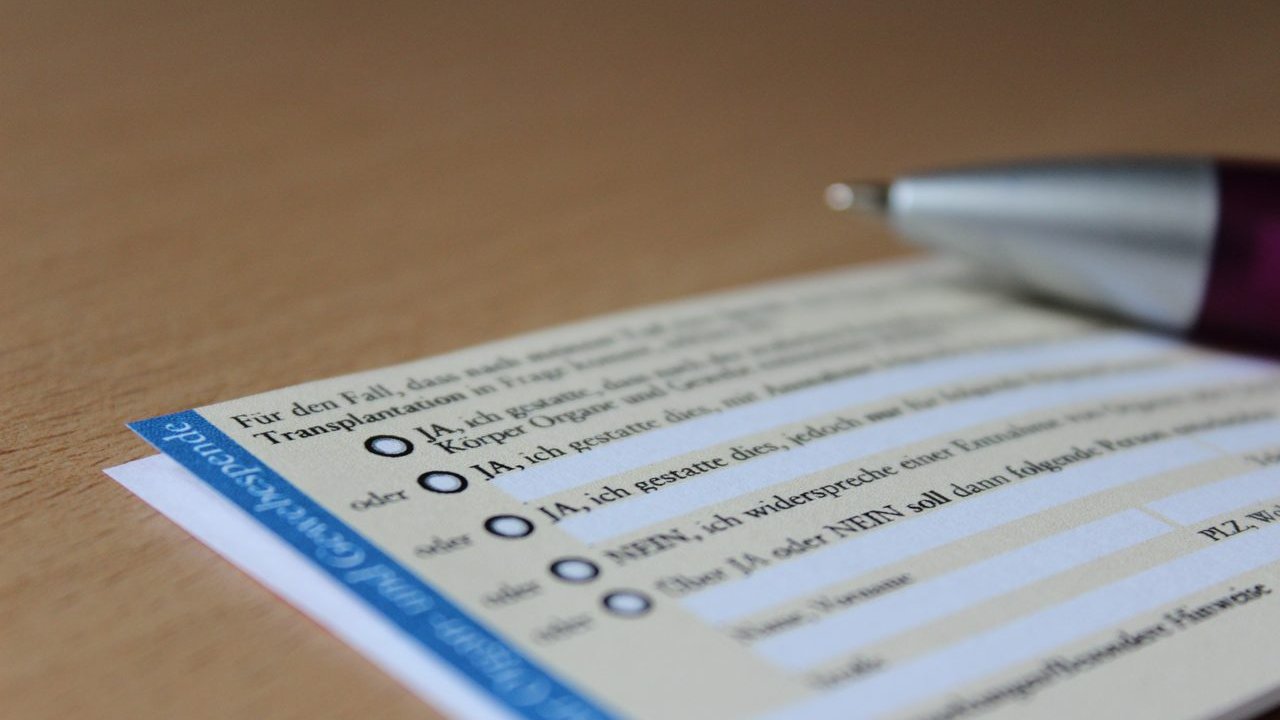
Nudge Theory: The Architecture of Choice, and What the Evidence Audit Left Standing
Moving the fruit to eye level is a nudge. A tax is not, and a ban is not. That distinction is Thaler and Sunstein's own and it carries the whole ethical argument. The evidence is harder: the founding preference science replicates across 19 countries, the organ donation default moves registered consent enormously and, in a 35-country comparison, not the transplant rates, and a 2022 re-analysis of the field's own meta-analysis found almost nothing left after correcting for publication bias. The original authors replied. The dispute is open, and this page does not close it.
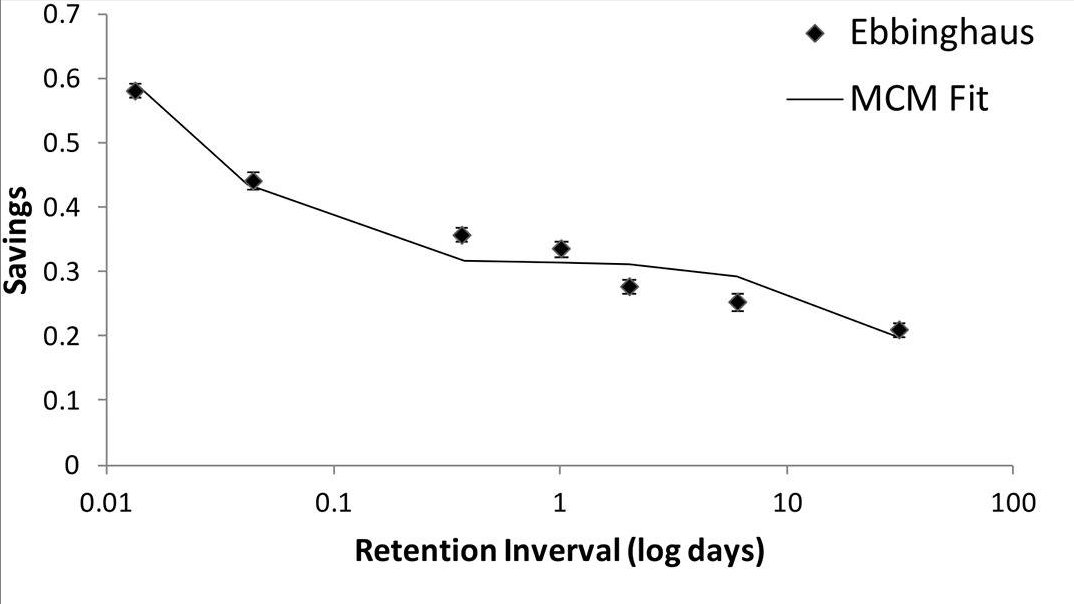
False Memory: How the Mind Rewrites Its Own Past
One changed verb altered what people said they had seen. Six people came to remember being lost in a shopping mall that never happened, and a preregistered replication in 2023 coded 35 percent of its 123 participants as reporting the same false memory. The hardest finding here is the quietest one: differences between true and false memories have been measured between groups, and none of them identifies a false memory in one person.
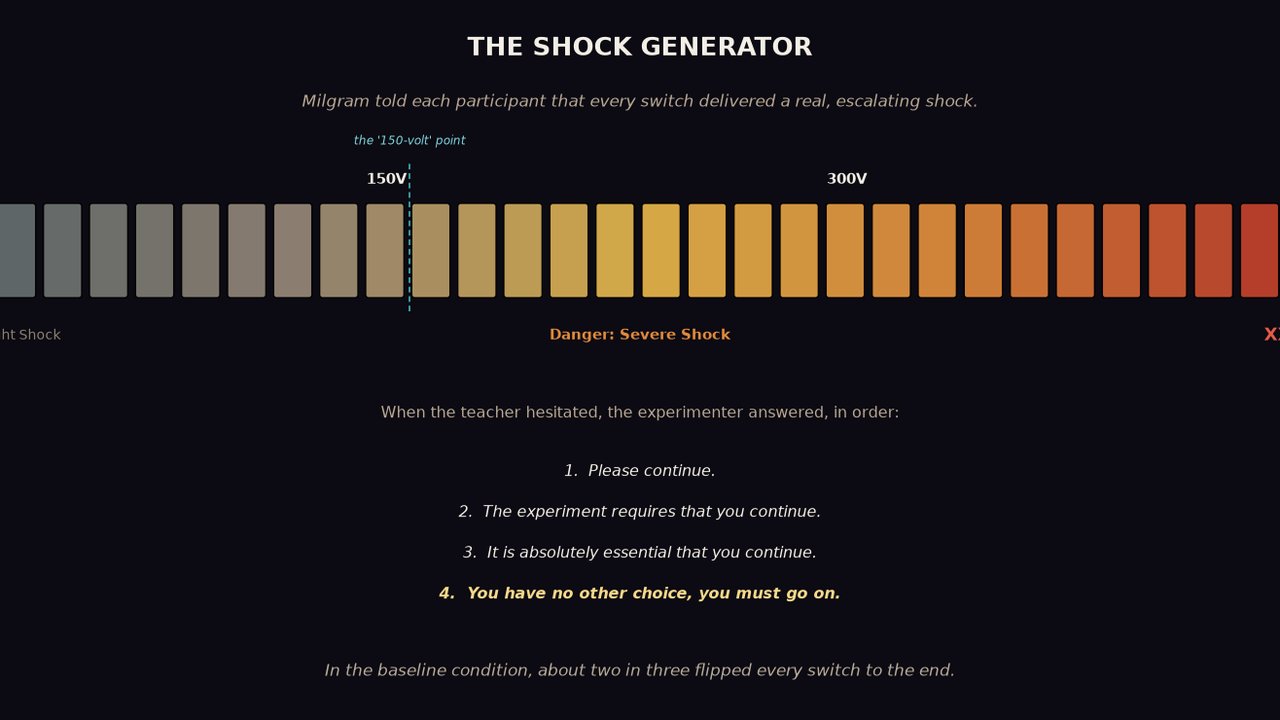
Obedience: How Ordinary People Follow Orders to the Edge
65 percent delivered what they thought were lethal shocks because a man in a lab coat said continue. The real story of Milgram, Asch, and the discredited prison study, and the honest space between 'anyone would' and 'it was fake.'

Propaganda: The Engineering of Consent
Bernays turned Freud's psychology into an industry for manufacturing consent. The real history and science of propaganda, and the honest truth between 'mind control' and 'clever people are immune.'
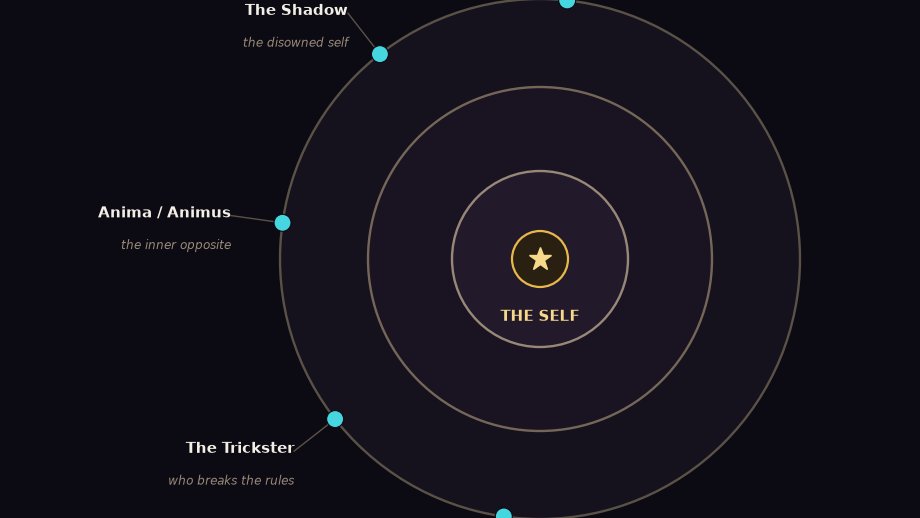
The Archetypes: Jung and the Figures in the Deep
Jung believed the mind holds inherited figures: the Shadow, the Trickster, the Hero. A century on they shape therapy, film, and the sixteen-type personality quiz, and remain, as science, largely unproven. What holds up, what does not, and why neither 'prophet' nor 'fraud' fits.

The Illusion of Seeing: How the Brain Invents What You See
You do not record the world; your brain builds a model of it and shows you that. About half of people miss a gorilla walking through a scene. The science of how seeing is really made, and its honest limits.
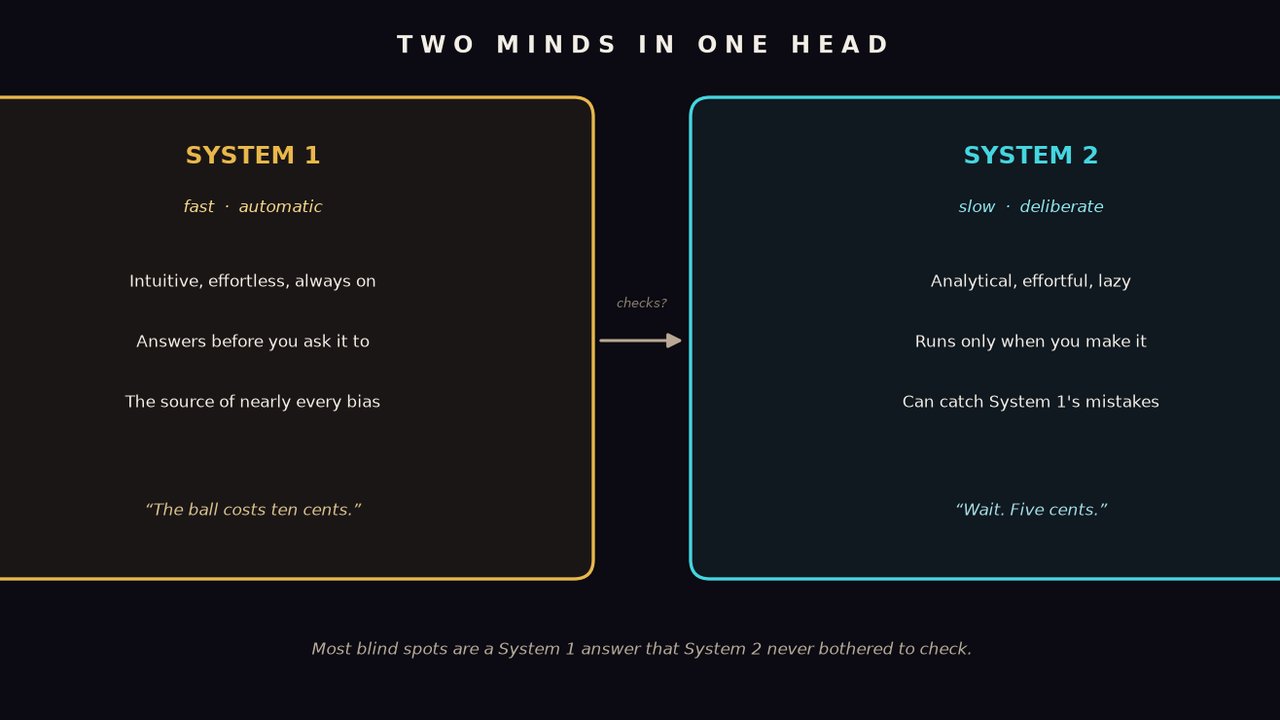
The Mind's Blind Spots: The Biases Hidden in Every Judgment
A healthy brain misjudges reality in predictable, repeatable ways. The Nobel-winning science of cognitive bias, which findings survived the replication crisis, and why knowing a bias is not enough to beat it.