
Ibogaine: The Root That Interrupts Addiction
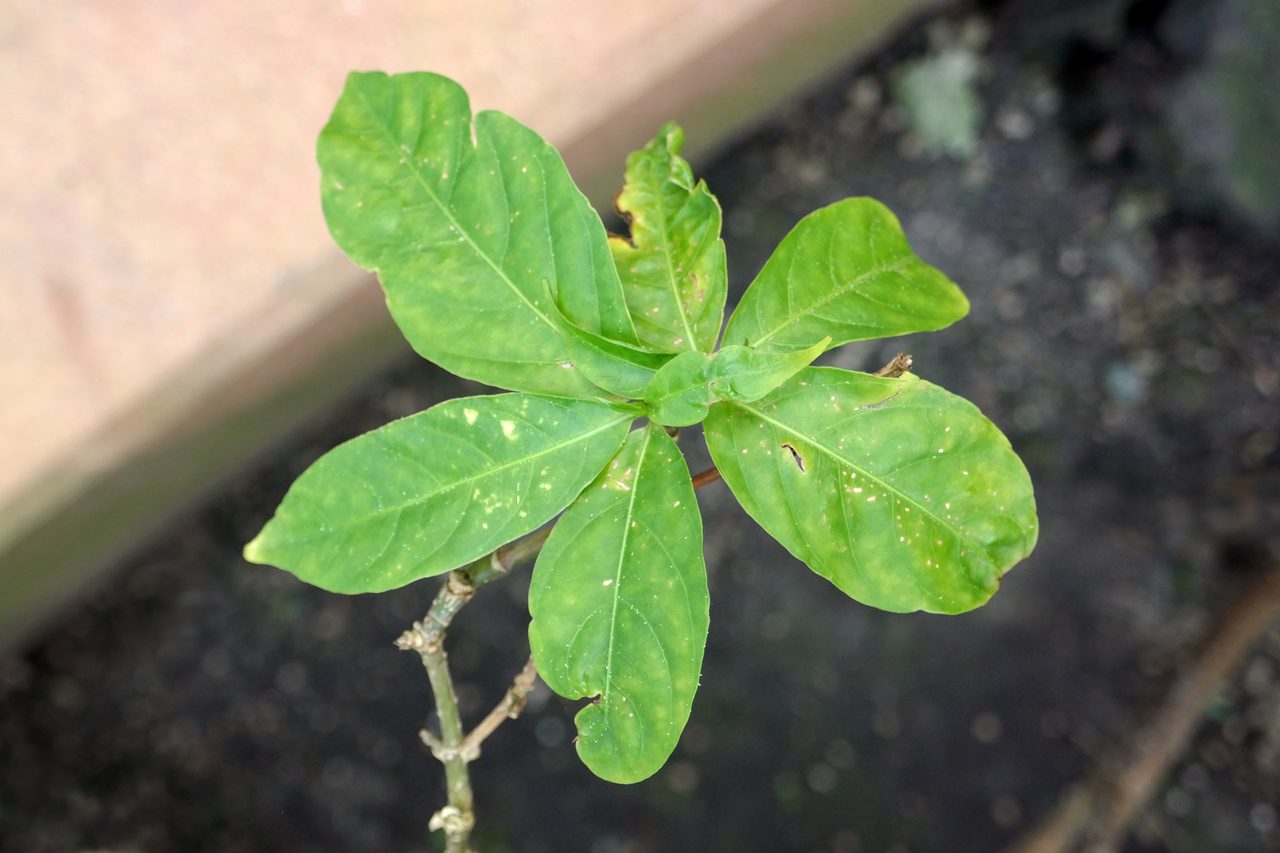
A shrub from the forests of Central West Africa carries an alkaloid in its root bark that, in open-label case series, has been recorded ending the signs of opioid withdrawal within a day in 25 of 33 cases. The same alkaloid, and more so the metabolite the liver makes from it, blocks the potassium channel the heart uses to reset itself between beats, and a peer-reviewed forensic review counted nineteen deaths between 1990 and 2008. No randomised, placebo-controlled trial of its efficacy has ever been completed. Both halves of that are the subject here, and the studies most often cited for the first half each contain, in their own results, someone who did not survive.
Two things are true of the same molecule, and neither one cancels the other. In a series of 33 open-label cases published in 1999, the signs of opioid withdrawal resolved without further drug-seeking within 24 hours in 25 people, and held through a 72-hour observation. In a peer-reviewed forensic review covering 1990 through 2008, 19 people died within hours or days of taking that same compound. Both records are in the published literature. This article is about what kind of record each one is.
The order below is deliberate. What happens to withdrawal in the first days, what happens to abstinence over the following year, and what ibogaine does to the heart are three different questions resting on three different bodies of evidence, and folding them into one sentence would be three errors at once. They are kept apart throughout. The safety material is not a closing caveat here: it holds two full sections, a table of its own, and most of the article's figures.
One more thing about the plan, stated once and not repeated. No dose, preparation, route, schedule or screening procedure appears anywhere in this article, in any section, caption or note. That is an editorial decision rather than an omission. This is a piece about a research subject and about a living religion, and it is not usable as instructions.
Two neighbouring subjects are not this one. This wing's article on ego dissolution covers what the classical psychedelics do to the sense of self, and ibogaine is not a classical serotonin-2A drug, so that material stays there. The Healing Arts article on the psychedelic renaissance covers psilocybin, MDMA and the trials that carried them back toward medicine. Ibogaine sits outside that story on safety grounds, and section 08 is where the reason is set out.
01The Plant, And What Is In Its Root Bark
The botany is uncontested, so it is worth setting down first.
Tabernanthe iboga is an evergreen shrub native to the tropical rainforests of Central West Africa: Gabon, Cameroon, the Republic of Congo and Equatorial Guinea. Its root bark contains ibogaine as the principal alkaloid, along with dozens of related alkaloids including ibogamine, tabernanthine and voacangine.
Ibogaine is a naturally occurring psychoactive indole alkaloid derived from that root bark. The word root is load-bearing in that sentence and this article keeps it there, including in one place where keeping it costs something: no photograph available for this piece is described by its own source as root bark, only as bark, so no caption below upgrades the wording.
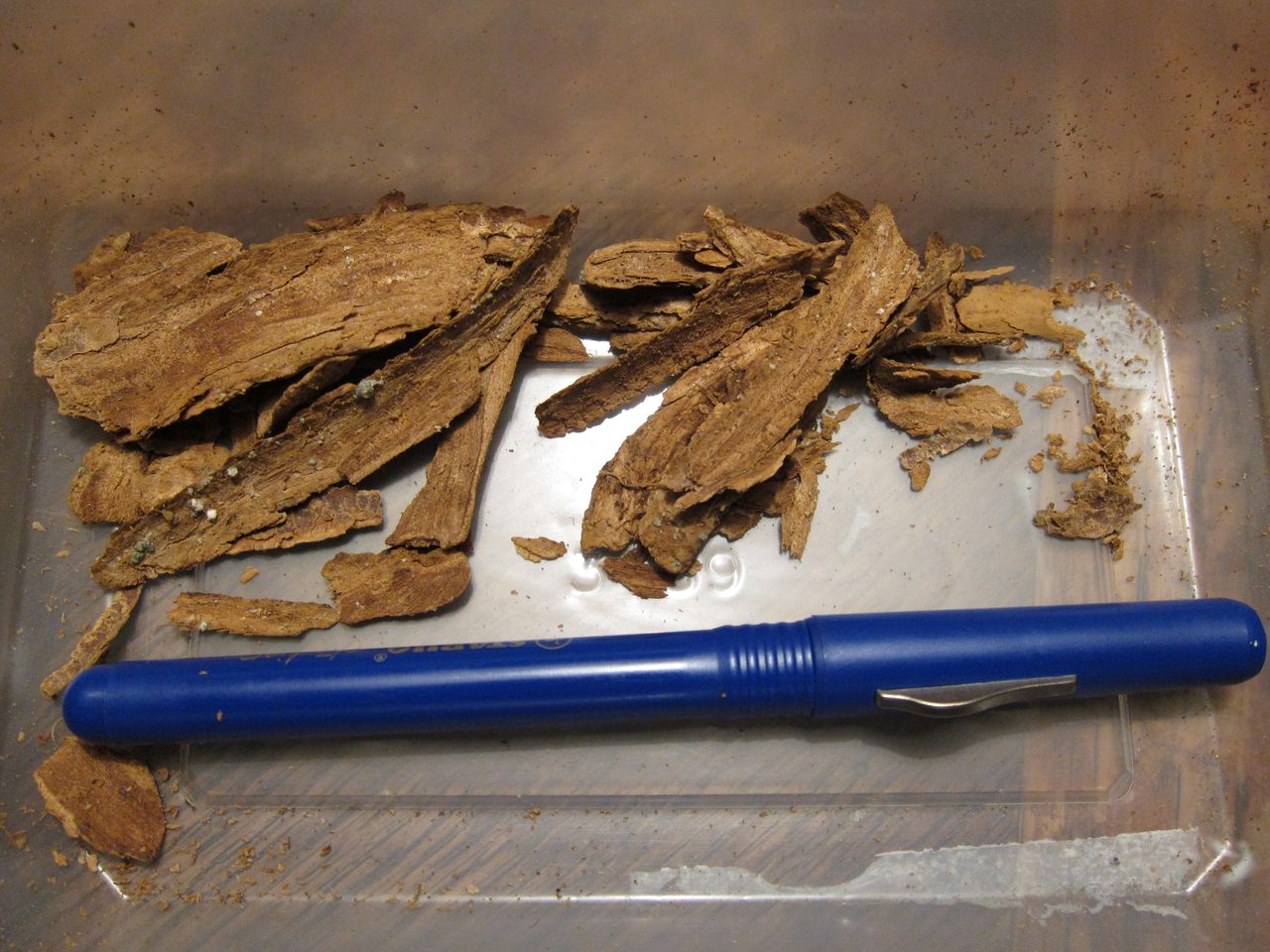
Two objects run through this article and they are not the same thing. One is prepared plant material, a mixture of dozens of alkaloids. The other is ibogaine, the single compound isolated from within it, which is what the pharmacology and the cardiac electrophysiology below are about. Keeping the two apart matters, and section 08 is where it matters most.
02Bwiti, And What Iboga Is For
Bwiti is not a prologue to a pharmacology story. It is a living religion with its own account of what iboga is for, and that account is older than every piece of research below it.
Bwiti is an animist spiritual tradition of the Fang, Mitsogo and related peoples of Gabon. Iboga is the central sacrament of Bwiti initiation ceremonies, in which initiates take the prepared root bark and undergo a prolonged visionary experience described as encounters with ancestors, as death and rebirth, and as spiritual instruction. The tradition predates European contact and has been practised for centuries.
Reports describe the initiatory state lasting a day or more. This article gives no range for it, because our two research files give different durations at different tiers and averaging them would produce a figure neither one supports. Section 12 carries the detail.

The anthropologist James W. Fernandez documented Bwiti practice extensively in his 1982 book Bwiti: An Ethnography of the Religious Imagination in Africa, published by Princeton University Press.
In 2000 the Gabonese government declared iboga a national cultural treasure.
Secondary accounts place that declaration in June of that year, in an act of the Council of Ministers. No primary government document confirming the day was located for this article, so only the year is stated above.
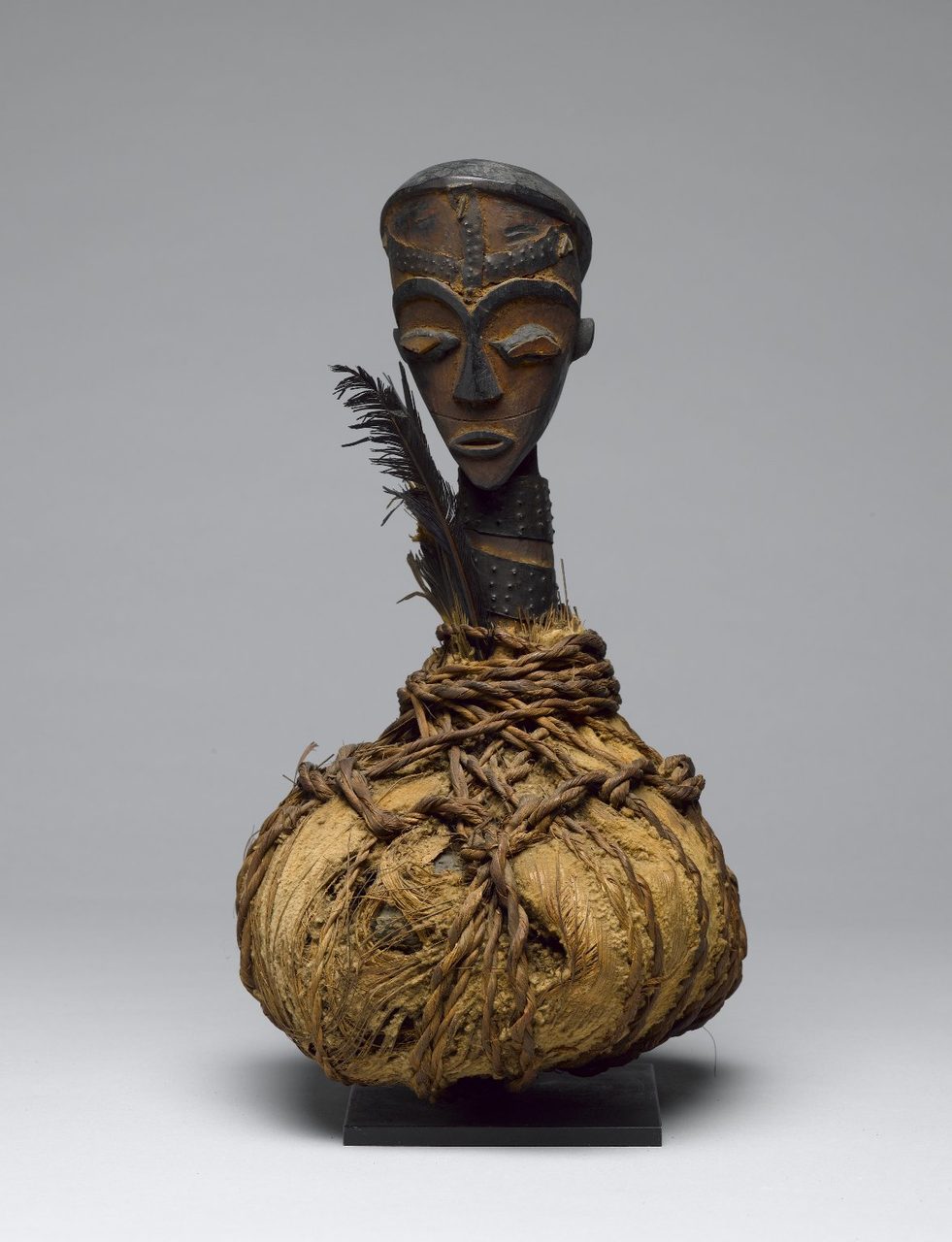
The traditional Bwiti context provides psychological support and community integration that is absent from most Western clinical settings.
That runs in a direction worth noticing. The ceremonial container is something the clinic lacks, rather than folklore the clinic improved on.
A word about what is not pictured here, since silence about it would be its own kind of claim. No image of a Bwiti ceremony appears in this article. The openly licensed photographs located for this article show a building, museum objects, or an unnamed and identifiable individual whose photographer describes the religion in terms this article will not repeat and whose consent is not recorded anywhere on the file. This passage runs on the building and the object, and where that leaves a gap, the gap is left. A living religion does not need a face to be treated seriously.
03The Nineteen-Year-Old In New York
In 1962 Howard Lotsof, a 19-year-old heroin-addicted man in New York City, took ibogaine and found that his withdrawal symptoms and his desire for heroin had gone. He then gave it informally to seven other people with addictions, of whom five reported similar anti-addictive effects. He spent the rest of his life advocating for ibogaine research, founded NDA International, obtained a United States patent for ibogaine's anti-addictive application in 1985, and died in 2010.
That sequence is the origin of the entire field and it should be read for exactly what it is: an anecdote, followed by a self-administered series of seven, run by an interested party. It is historically important and it is not evidence of efficacy. Everything in sections 05 and 06 exists because of it, and none of it inherits its authority.
04A Molecule That Does Many Things At Once
Ibogaine's pharmacology is unusual in a specific and consequential way, and that difference is what keeps this article off the territory of the classical psychedelics.
Ibogaine acts on many receptor systems at once rather than on one. Both of our research files list NMDA glutamate receptor antagonism, kappa-opioid receptor agonism, serotonin transporter inhibition, sigma-2 receptor agonism, and nicotinic acetylcholine receptor antagonism at the alpha-3-beta-4 subtype. The secondary file adds serotonin-2A activity and dopamine transporter inhibition, and describes the poly-pharmacology as well characterised, reviewed by Alper in 2001 in The Alkaloids: Chemistry and Biology.
The plain consequence is that ibogaine is not a classical serotonin-2A psychedelic. Whatever it is doing, it is not doing it the way those drugs do, and results from that literature do not carry over here by default.
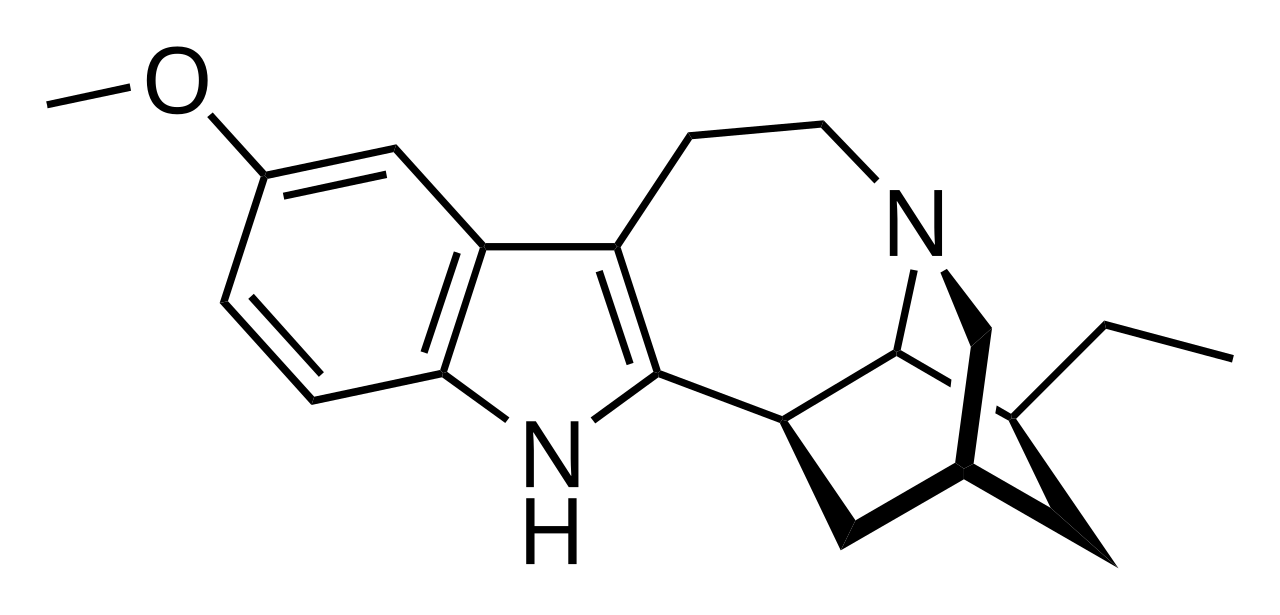
Ibogaine is metabolised in the liver by CYP2D6 into noribogaine, also called 12-hydroxyibogamine, a longer-lasting active metabolite thought to carry much of the sustained anti-craving effect. Noribogaine acts as a full kappa-opioid agonist and as a serotonin reuptake inhibitor. Ibogaine's own half-life is 4 to 7 hours, a figure both of our files agree on. Noribogaine lasts far longer in the body, and this article states no number for that, because the two files disagree about it.
The prevailing hypothesis is that the anti-addictive effect involves several complementary mechanisms at once: NMDA antagonism reducing withdrawal symptoms, in a way similar to but distinct from ketamine; kappa-opioid agonism modulating reward circuits; upregulation of glial cell line-derived neurotrophic factor, or GDNF, promoting the survival and plasticity of dopaminergic neurons; and the intense visionary and psychological experience itself, which many patients describe as transformative. That is the leading model, at Tier 2 in our own file, and it is not the answer.
He Dao-Yao and colleagues reported in 2005 that ibogaine and noribogaine increase expression of glial cell line-derived neurotrophic factor in midbrain dopamine neurons, and that GDNF promotes the survival and plasticity of the dopaminergic circuits chronic drug use disrupts. The paper's own subject is alcohol consumption in rats. It is preclinical animal work and it is not human opioid evidence.
Marton and colleagues proposed in 2019 that the GDNF upregulation induced by ibogaine and noribogaine represents a neuroplastic reset of mesolimbic dopamine circuits, potentially restoring hedonic tone and reducing drug-seeking behaviour. The word reset in the title of our own secondary research file comes from that proposal. It is a proposal, tested by measuring expression in brain regions in animals, and this article does not assert it as a finding.
The relative contribution of the pharmacological mechanisms and of the psycho-spiritual experience remains debated.
05What Happens To Withdrawal In The First Days
This is the first of the three questions and the one with the strongest observational record behind it. It concerns the acute interval, the first day to three days after ingestion. It is not the same question as whether anyone is still abstinent a year later, and the two are not answered by the same evidence.
The widely repeated figure in this subject comes from Alper, Lotsof, Frenken, Luciano and Bastiaans, published in the American Journal on Addictions in 1999. Thirty-three cases of treatment for opioid detoxification, performed, in the paper's own words, in non-medical settings under open-label conditions. Resolution of the signs of opioid withdrawal without further drug-seeking behaviour was observed within 24 hours in 25 patients and was sustained through the 72-hour observation period. The remaining outcomes were drug-seeking without withdrawal signs in 4 cases, abstinence with attenuated withdrawal signs in 2, drug-seeking with continued withdrawal signs in 1, and one fatality, described in the source as possibly involving surreptitious heroin use.
That last outcome is not a footnote and it is not an outside critic's addition. It sits in the paper's own list of results, in the same abstract as the number the whole field quotes. Neither of our two research files mentions it.
Mash and colleagues reported in 2000, in the Annals of the New York Academy of Sciences, that ibogaine significantly decreased craving for cocaine and heroin during inpatient detoxification, and that self-reported depressive symptoms were also significantly lower after treatment and at 30 days after discharge. The paper attributes the sustained aftereffects to noribogaine rather than to ibogaine itself, on the grounds that ibogaine is cleared rapidly from the blood.
The human evidence for ibogaine's anti-addictive effect is observational. Our primary research file characterises it as open-label, non-randomised studies and prospective observational work, and states that no completed Phase III randomised controlled trials exist as of early 2026, though several Phase I and Phase II trials are under way or planned. That statement carries Tier 1 in the file, which means the limit has the same evidentiary weight as the findings it limits.
06What Happens Over The Following Year
The second question is a different one and the evidence for it is thinner. Losing the signs of withdrawal within 24 hours and being off opioids twelve months later are separate outcomes, and the studies reporting the second are small, uncontrolled and heavy with attrition.
Brown and Alper, in the American Journal of Drug and Alcohol Abuse in 2018, followed 30 subjects with opioid dependence, 25 men and 5 women, most of them using oxycodone or heroin or both. At the one-month follow-up, 15 subjects, half of the group, reported no opioid use during the previous 30 days. Withdrawal scores decreased significantly after treatment, and drug use and legal, family and social status scores improved at all follow-up points, which were taken at 1, 3, 6, 9 and 12 months. The authors describe the subjects as treatment-resistant and the result as a potential prototype for innovative addiction pharmacotherapy.
Noller, Frampton and Yazar-Klosinski, in the same journal in the same year, reported a prospective observational study in New Zealand, where the legal status of ibogaine permitted the work. Fourteen participants enrolled, half of them female. Eight completed all the interviews. Among those eight there were significant reductions at 12 months in the Addiction Severity Index-Lite drug-use composite score and in depression scores, and acute post-treatment opioid withdrawal symptoms decreased significantly. One participant died during treatment.
That is the second death, and it belongs in the same breath as the twelve-month result rather than in a safety section further down the page. The twelve-month finding comes from eight people, inside a cohort of fourteen, one of whom did not survive the treatment. Our primary research file describes this study as a prospective observational study in New Zealand showing significant reduction in opioid use at 12 months, and stops there.
The largest series reported in this literature is Mash, Duque, Page and Allen-Ferdinand, in Frontiers in Pharmacology in 2018: an open-label case series of 191 participants, reporting a transition between dependence and abstinence in opioid and cocaine users. One co-author is in general medical practice in Basseterre, Saint Kitts and Nevis, which is the Saint Kitts connection both of our files refer to. No outcome figures from it are quoted here. The combination is the honest shape of the whole evidence base: the largest series in the field is still an open-label case series with no control group.
The claim that a single ibogaine dose can permanently reset addiction circuitry is described by our own secondary file as appealing but oversimplified, at Tier 3. Observational data show substantial relapse, estimated in that file at 50 to 70 percent by 12 months, and that estimate comes from uncontrolled observation rather than from measurement against a comparison group. The reading the file draws from it is that ibogaine may open a window of opportunity rather than provide a permanent cure, and that aftercare and psychological support appear critical.
Claims that ibogaine can cure all forms of addiction, opioid and alcohol and cocaine and nicotine and gambling alike, with a single session, sit at Tier 3 in our primary file. The evidence for interruption of opioid withdrawal is the strongest of them; the evidence for the other addictions is much weaker and largely anecdotal. Cure is an overstatement in the file's own words, since many patients benefit from integration therapy and some relapse.
| The Study | What Kind of Record It Is | What It Reports, and What Else Is in the Same Results |
|---|---|---|
| Alper, Lotsof, Frenken, Luciano and Bastiaans (1999), American Journal on Addictions | 33 cases of treatment for opioid detoxification, performed in non-medical settings under open-label conditions. No control group and no blinding | Resolution of the signs of opioid withdrawal without further drug-seeking within 24 hours in 25 patients, sustained through a 72-hour observation. Also: drug-seeking without withdrawal signs in 4, abstinence with attenuated withdrawal signs in 2, drug-seeking with continued withdrawal signs in 1, and one fatality, described in the source as possibly involving surreptitious heroin use |
| Mash, Kovera, Pablo and colleagues (2000), Annals of the New York Academy of Sciences | Inpatient detoxification, open label. Preliminary efficacy measures by the paper's own title | Craving for cocaine and heroin significantly decreased during detoxification, and self-reported depressive symptoms were significantly lower after treatment and at 30 days after discharge. The sustained aftereffects are attributed to noribogaine rather than to ibogaine, because ibogaine clears the blood quickly |
| Brown and Alper (2018), American Journal of Drug and Alcohol Abuse | 30 subjects with opioid dependence, 25 men and 5 women, described by the authors as treatment-resistant. Observational, no control group, no country named in the abstract | At the one-month follow-up, 15 subjects, half the group, reported no opioid use in the previous 30 days. Withdrawal scores decreased significantly, and drug use and legal, family and social status scores improved at follow-ups taken at 1, 3, 6, 9 and 12 months |
| Noller, Frampton and Yazar-Klosinski (2018), American Journal of Drug and Alcohol Abuse | A prospective observational study in New Zealand, where the legal status of ibogaine permitted the work. 14 enrolled, half of them female, 8 completed all interviews | Among those 8, significant reductions at 12 months in the Addiction Severity Index-Lite drug-use composite and in depression scores, and a significant decrease in acute post-treatment withdrawal symptoms. One of the 14 participants died during treatment |
| Mash, Duque, Page and Allen-Ferdinand (2018), Frontiers in Pharmacology | An open-label case series of 191 participants, the largest reported in this literature. Still no control group | Reported as a transition between dependence and abstinence in opioid and cocaine users. No outcome figures from it are quoted in this article. Our primary file cites this paper without listing it anywhere in its own bibliography, and the reference had to be located independently |
07What Ibogaine Does To The Heart
This is the third question, and the point at which ibogaine separates from the other compounds in the psychedelic-therapy conversation. It is not a caveat attached to the two sections above. It is a body of mechanistic evidence at least as strong as anything in them, and in our secondary research file it holds its own numbered Tier-1 section, which the primary file does not give it.
Ibogaine prolongs the QT interval on the electrocardiogram, creating a risk of potentially fatal cardiac arrhythmia, specifically torsades de pointes. The mechanism sits at Tier 1 in both files: ibogaine and noribogaine both block hERG potassium channels. In plain terms, the heart's electrical cycle has a recovery phase between beats, hERG channels are part of how that recovery happens, and blocking them stretches the recovery out. A stretched recovery phase is a recovery phase that can tip into a lethal rhythm. Fatalities have been reported, particularly in people with pre-existing cardiac conditions or taking other QT-prolonging drugs.
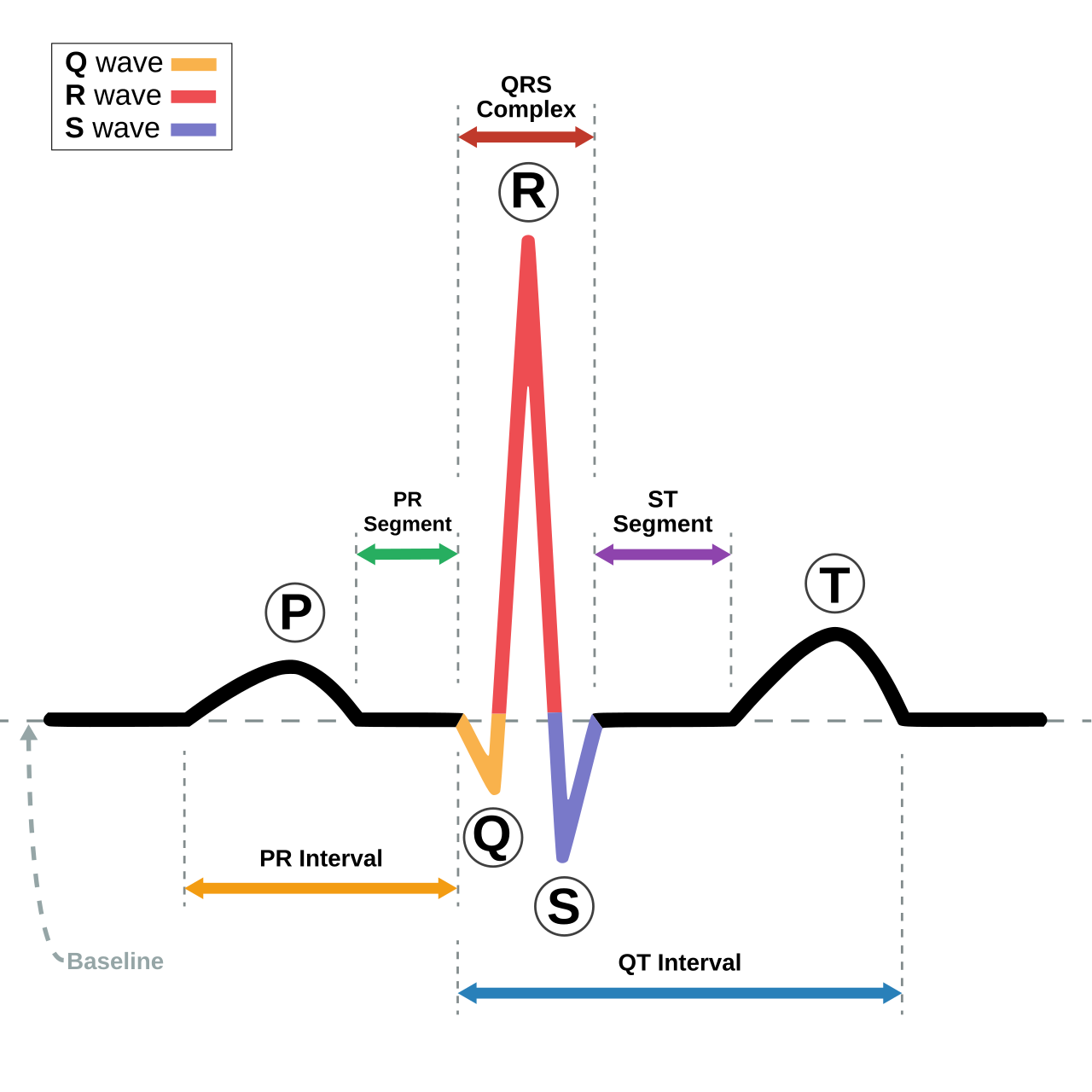
The recovery phase is the thing this article keeps returning to. The heart's electrical cycle runs beat by beat, each beat followed by a recovery before the next can be organised, and the QT interval is the measure of how long that recovery takes. Everything ibogaine does to the heart, in this section and the next, is a change in that one span.
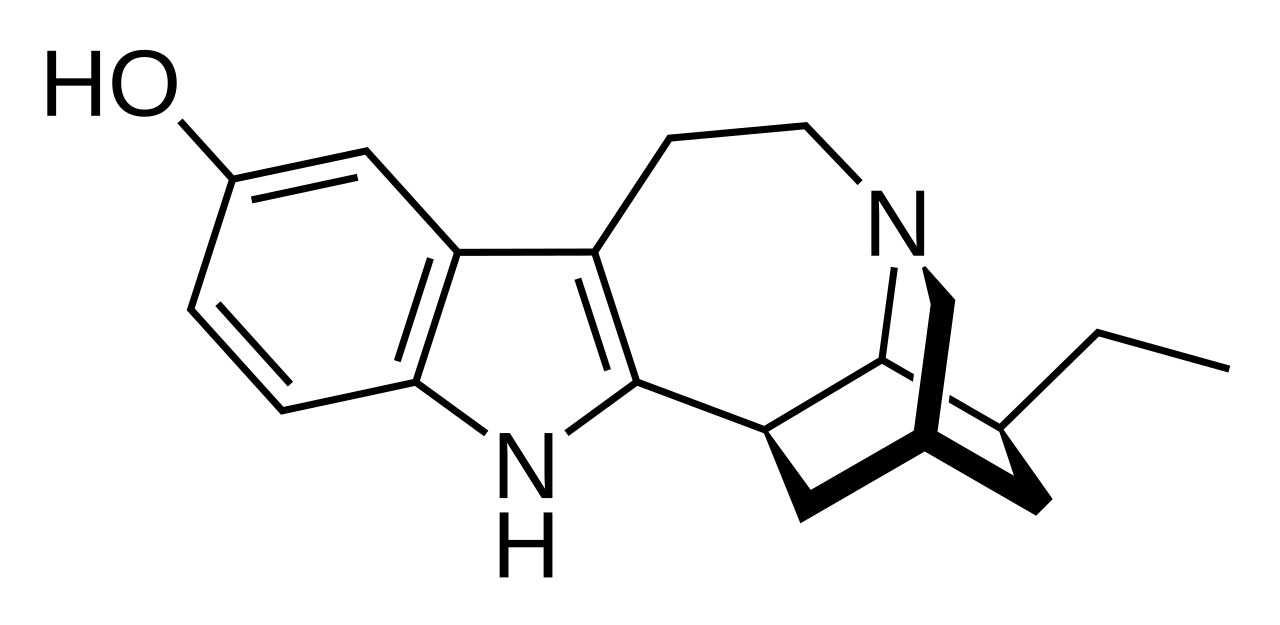
Noribogaine, the long-lasting metabolite, is the primary cardiac safety concern rather than ibogaine itself. It blocks hERG channels markedly more potently than the parent compound does, and it persists far longer in the body.
That is the fact in this article a reader is least likely to arrive already holding, and it is the shape of the whole trade-off. The molecule credited with the sustained anti-craving benefit is the same molecule carrying the sustained cardiac risk. The danger outlasts the experience.
Our two research files point in opposite directions at exactly this point, and the disagreement is about the safety-critical molecule. The primary file proposes noribogaine, at Tier 2, as a potentially safer alternative to ibogaine with a more favourable cardiac profile. The secondary file states at Tier 1 that noribogaine's greater hERG potency and longer half-life make it the primary cardiac concern. This article carries the Tier-1 position, which is also the more dangerous of the two readings, and does not carry the safer-alternative framing anywhere.
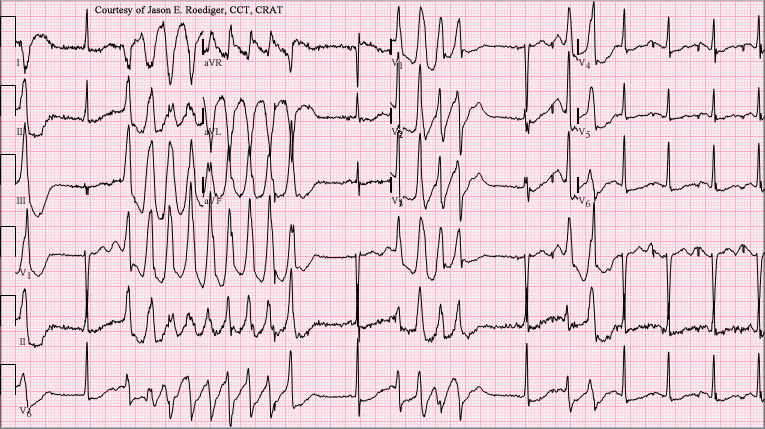
An independent scoping review published in Molecules in 2026, by Esperanca, Gomes and Campos, states the same limitation in more detail and is more current than either of our files. Ibogaine's principal safety limitation, in that review's account, is its propensity to induce cardiac electrical instability through concentration-dependent prolongation of ventricular repolarisation, by inhibition of the hERG channel, reducing repolarisation reserve and facilitating early afterdepolarisations. Clinical cases are reported with corrected QT intervals exceeding 600 milliseconds, one of them reaching 714. A concentration-dependent increase in corrected QT associated with noribogaine exposure has been established in controlled human studies. And the prolongation persists for several days after ingestion, despite the clearance of the parent compound.
That last clause is the one to carry out of this section. Whatever the visionary experience is or is not doing, it is over long before the cardiac risk is.
08The Fatality Record, And The Rate Nobody Can Give
The section above is about what can happen. This one is about what has been recorded as happening, and it is a different kind of evidence again: a forensic case series, real in every individual case and without a denominator underneath it.
Alper, Stajic and Gill published a review in the Journal of Forensic Sciences in 2012 in which all available autopsy, toxicological and investigative reports were systematically reviewed for the consecutive series of all known fatalities outside West Central Africa temporally related to ibogaine use, from 1990 through 2008. Nineteen people died: 15 men and 4 women, aged 24 to 54, within 1.5 to 76 hours of taking ibogaine. Postmortem evidence showed no characteristic neurotoxicity syndrome. In 12 of the 14 cases with adequate postmortem data, pre-existing cardiovascular disease or other abused substances, or both, explained or contributed to the death. Our secondary file states separately, also at Tier 1, that multiple case reports document ibogaine-related cardiac deaths, with cardiac arrhythmia the probable cause in most cases.
The same review identified two further risk factors beyond pre-existing cardiovascular disease and co-used substances: seizures associated with withdrawal from alcohol and benzodiazepines, and uninformed use of ethnopharmacological forms of iboga, meaning plant material of unknown alkaloid content rather than a measured preparation. That is an observation about the shape of the record, not a list of things to arrange differently. The deaths clustered around people whose bodies or whose circumstances were already compromised, and that is precisely the population this treatment attracts.
The characterisation of the treatment landscape that follows is not a critic's. It comes from a peer-reviewed review: Koenig and Hilber, writing in Molecules in 2015 under the title The Anti-Addiction Drug Ibogaine and the Heart: A Delicate Relation. Our primary file cites that review by name and carries no identifier for it at all. The identifier is supplied in the sources below.
Ibogaine and noribogaine block hERG potassium channels, prolonging the QT interval and posing a risk of fatal cardiac arrhythmia, and multiple fatalities have been documented in treatment settings worldwide. Unlike psilocybin or MDMA, ibogaine carries an intrinsic cardiotoxic risk that cannot be fully mitigated by medical screening alone, which makes it fundamentally different from other psychedelic-assisted therapies in its safety profile. That is our own primary file's counter-arguments section speaking in its own voice. It supports the passage with two reviews, Koenig and Hilber in 2015 and Litjens and Brunt in 2016, and carries an identifier for neither of them; both are supplied below.
A rate is what a reader will want at this point, and this article does not have one to give. Our secondary file states that an estimated 1 in 300 ibogaine treatments results in death, and that there were approximately 30 documented fatalities by 2020. Neither figure could be traced to a peer-reviewed derivation in the checking done for this article, so neither is carried as fact. What the peer-reviewed forensic record documents is 19 deaths across the two decades to 2008. The 2026 scoping review declines to give an overall mortality rate at all, and says the evidence base is inherently incomplete because ibogaine use often occurs outside regulated medical settings. Alper, Lotsof and Kaplan estimated in 2008 that 3,414 individuals had taken ibogaine as of February 2006, which is the kind of denominator such ratios are usually built from, and that paper offers no mortality estimate of its own.
The refusal runs in both directions, and the second direction matters more than the first. Declining to state a rate is not a suggestion that the risk is small. The uncertainty here runs toward more risk rather than less, for the plain reason that most ibogaine is taken in places where a death would never enter a systematic record. The honest position is that the true number of deaths is unknown and probably undercounted.
Our primary file files the claim that ibogaine treatment is completely safe if administered properly under the label REFUTED, and our secondary file files the claim that ibogaine is completely safe under the label DEBUNKED. Cardiac fatalities have occurred even in medically supervised settings. The narrow therapeutic index and the QT-prolongation risk are well documented, and the literature describes medical screening, cardiac monitoring and professional supervision as essential. Section 10 is about the fact that most ibogaine treatment does not happen where those things are.
| The Finding | What Kind of Evidence It Is | Where It Stands |
|---|---|---|
| Ibogaine and noribogaine block hERG potassium channels | Mechanistic electrophysiology, published in Addiction Biology and reviewed since. Tier 1 in both of our research files | Established. hERG channels are part of how the heart's electrical cycle recovers between beats, and blocking them stretches that recovery out |
| Ibogaine prolongs the QT interval and can precipitate torsades de pointes | Tier 1 in both files, which name potentially fatal arrhythmia as the risk | Established. Fatalities have been reported, particularly in people with pre-existing cardiac conditions or taking other QT-prolonging drugs |
| Noribogaine, not ibogaine, is the primary cardiac concern | Tier 1 in our secondary file: the metabolite blocks hERG markedly more potently than the parent compound and persists far longer | Established, and it contradicts our primary file, which proposes noribogaine at Tier 2 as a safer alternative. The higher tier and the more dangerous reading happen to be the same one |
| How far the interval stretches, and for how long | A 2026 peer-reviewed scoping review, external to both of our files and more current than either | Clinical cases are reported with corrected QT intervals exceeding 600 milliseconds, one reaching 714. A concentration-dependent increase in corrected QT associated with noribogaine exposure has been established in controlled human studies, and the prolongation persists for several days after ingestion despite clearance of the parent compound |
| Nineteen deaths, 1990 through 2008 | A forensic case series: all available autopsy, toxicological and investigative reports for the consecutive series of all known fatalities outside West Central Africa in that window | Established as a count of known cases. 15 men and 4 women, aged 24 to 54, dying between 1.5 and 76 hours after ingestion. In 12 of the 14 cases with adequate postmortem data, pre-existing cardiovascular disease or other abused substances explained or contributed to the death |
| An overall mortality rate | None that could be traced to a peer-reviewed derivation | Refused in both directions. The widely quoted one-in-three-hundred estimate has no verifiable denominator behind it, and the 2026 scoping review declines to give a rate at all, because most ibogaine use happens outside settings where a death would be recorded |
09The Trial That Has Never Been Run
As of 2025 no double-blind, randomised, placebo-controlled trial of ibogaine for opioid use disorder has been completed and published. The evidence base consists entirely of observational studies, case series and retrospective surveys, all subject to selection bias, expectation effects and lack of blinding. Our secondary file adds that this makes it impossible to distinguish ibogaine's pharmacological effect from placebo, from expectancy and from the intensive clinical setting. Claims of efficacy, while supported by consistent observational data, have not met the evidentiary standard required for regulatory approval.
That is our own files stating their strongest limiting claim in their own voice, which means this article can state it at full strength too. It is also still true. The 2026 scoping review says explicitly that to date no randomised placebo-controlled clinical trials have evaluated ibogaine's efficacy relative to placebo, that all available human efficacy data derive exclusively from open-label observational studies, retrospective analyses and case reports, and that ongoing trials are registered but their results remain unavailable.
The clause worth holding onto inside the file's own sentence is the one granting that the efficacy claims are supported by consistent observational data. The honest verdict is not that the evidence is worthless. It is that it is the wrong kind of evidence to settle the question, and no quantity of it converts into the other kind.
10The Law, And The Sector It Produced
Ibogaine is a Schedule I controlled substance in the United States, placed there in 1970 with no accepted medical use, which restricts clinical research. It is unscheduled or otherwise unregulated in many other countries.
Treatment seekers frequently travel to clinics in Mexico, Central America, the Caribbean, Costa Rica and New Zealand, where medical oversight, emergency preparedness and practitioner qualifications vary widely. The gap between clinical demand and regulated access has created a de facto underground treatment infrastructure with variable safety standards. Our primary file notes separately that ibogaine-assisted treatment clinics operate in Mexico, New Zealand, Brazil and several other jurisdictions.
Those countries are named as a description of where the unregulated sector exists, and not as a list of destinations. No clinic is named anywhere in this article. The two facts that matter belong side by side: the literature says cardiac screening, monitoring and professional supervision are essential, and most ibogaine treatment happens in exactly the places least able to guarantee any of the three. The risk is highest where the oversight is weakest, and that is where the treatment mostly is.
New Zealand is in that list for a second reason as well. The twelve-month observational study in section 06 was conducted there because the legal status of ibogaine permitted it, and the paper's own framing says that legal availability enabled better collaboration with providers, and describes the resulting outcome evaluation as unique. That is the narrow and honest policy point available here: legality is what makes the research possible. It is not an argument about what any law should be.
Something changed recently that neither of our research files carries. Texas Senate Bill 2308, of the 89th Legislature's Regular Session, establishes a consortium to conduct United States Food and Drug Administration drug-development clinical trials with ibogaine, to seek approval of its use for opioid use disorder, for co-occurring substance use disorder, and for any other neurological or mental health conditions for which ibogaine demonstrates efficacy, and to govern the administration of that treatment. The Governor signed it on 11 June 2025 and it took effect immediately. A United States state has put public money behind pushing a Schedule I compound through the trials that have never been run. The primary bill history is linked below. A funding figure circulated in press coverage and is not stated here, because it does not appear on that page.
11The Compounds Built To Keep The Effect And Drop The Risk
Which of ibogaine's many receptor interactions mediates the anti-addictive effect, and whether the subjective psychedelic experience is necessary for the therapeutic benefit, remains unclear. The development of non-psychoactive ibogaine analogs proceeds on the hypothesis that the psychedelic component is separable from the therapeutic one, and that has not been definitively demonstrated.
That is our own primary file saying, in its own voice, that an entire drug-development programme rests on an unproven premise.
18-methoxycoronaridine, or 18-MC, is a synthetic ibogaine congener developed by Stanley Glick and Martin Kuehne, designed to keep the anti-addictive properties while eliminating the cardiac toxicity. It acts primarily by antagonising alpha-3-beta-4 nicotinic receptors, and it showed anti-addictive effects in rodent models for morphine, cocaine, nicotine and alcohol, reported in Brain Research in 1996 and reviewed in CNS Drug Reviews in 1999. Our primary file notes that the animal studies were promising and that human clinical development has been slow.
Our secondary file states that 18-MC entered Phase II clinical trials under the company MindMed by 2023. The direction of travel is backwards in that sentence. MindMed's own dated release of 19 May 2022 reports topline data from a Phase 1 placebo-controlled trial of MM-110, also called zolunicant or 18-MC, in 108 healthy volunteers, describing the compound as an alpha-3-beta-4 nicotinic cholinergic receptor antagonist and a non-hallucinogenic congener of ibogaine, and states that a Phase 2a trial was then intended. Trade reporting says that after a request from the Food and Drug Administration for additional preclinical characterisation the company discontinued active development in 2023 and moved its resources elsewhere. That last step is trade press rather than a primary filing, so it is carried here as reported rather than as established. The analog designed to keep the benefit and drop the heart risk got through a Phase 1 safety study and then stalled.
The most significant recent development that neither of our files carries is organised around the same problem. Cherian, Keynan, Anker and colleagues, with Nolan R. Williams as senior author, published a study in Nature Medicine in 2024 of magnesium-ibogaine therapy in veterans with traumatic brain injuries: a prospective observational study of 30 male Special Operations Forces veterans with predominantly mild traumatic brain injury, provided together with complementary treatment modalities. The stated rationale for the magnesium is that ibogaine has been associated with fatal cardiac arrhythmia, and that co-administering magnesium may mitigate that risk.
Two things about that study should be said plainly. It has no control group and the intervention was bundled with other treatments, which makes attribution to ibogaine alone impossible, and no outcome percentages from it are quoted in this article. And the magnesium is a proposal rather than an established mitigation: the paper's own word is may. What the study does show is where the frontier of this field now sits. The current research programme is organised around trying to blunt the cardiac risk, which is a fair measure of how large that risk is understood to be by the people closest to it.
Anecdotal reports and animal evidence suggest ibogaine has significant antidepressant effects, possibly through serotonin-2A agonism and GDNF upregulation. No controlled human trial has specifically evaluated ibogaine for depression.
That is a different claim from the depression finding in section 05, which was a Tier-1 observation of lower self-reported depressive symptoms inside a single open-label detoxification study, and not an evaluation of ibogaine as an antidepressant. The two are not merged here.
12Where Our Own Files Are Wrong
The standing rule in this wing is that our own sources get checked like anybody else's. Two research documents back this article, and both are recent, both score well on their own headers, and both carry errors a reader would have no way to see. The list is here rather than buried, and the corrected versions are what the article above uses.
The most serious is a citation. Our secondary file gives the ibogaine-fatalities review as a paper in Drug and Alcohol Dependence and attaches a digital object identifier to it. That identifier resolves to a paper about depressive mood and tobacco use, by different authors, on an unrelated subject. The journal named in the row is wrong as well. The real paper is Alper, Stajic and Gill in the Journal of Forensic Sciences, and it is the source of the nineteen-death figure this article uses. A wrong identifier on the single most safety-critical citation in a pair of files is the worst place in the pair for one to sit. The corrected identifier is in the sources below.
A second identifier fails the same way. Our primary file attaches a digital object identifier to James Fernandez's 1982 book on Bwiti, and it resolves to a 1986 review of that book in a journal, not to the book. The book is cited above by its international standard book number instead. The same file also misspells the author's surname.
Three of the efficacy attributions are wrong. Our secondary file credits the 33-case series, and the 25 people in it whose withdrawal signs resolved, to Deborah Mash's Saint Kitts work; they belong to Alper and colleagues in 1999. It describes those cases as having been conducted at a treatment clinic; the paper says non-medical settings, open label. And it places Brown and Alper's 30-subject study in New Zealand, which is a different study altogether, while moving that study's half-the-group result from one month to twelve. All three are corrected in sections 05 and 06.
Two studies contain a death that neither file mentions. Alper's 1999 series lists one fatality among its own outcomes. The New Zealand cohort of fourteen lost one participant during treatment. Both are stated above at the point where those studies are used, which is where they belong, and not gathered into a safety appendix where they would read as somebody else's objection rather than as part of the result.
Two numbers our files disagree about are not given here at all. They disagree on how long the Bwiti initiatory state lasts, at different tiers, so this article says a day or more and gives no range. They disagree on noribogaine's half-life, at the same tier, so this article says it lasts far longer than ibogaine does and gives no number. Averaging two disagreeing figures would produce a value that neither source supports.
Four smaller ones, for completeness. Our secondary file cites the GDNF paper to the wrong journal in its body text and the right one in its bibliography, and presents a study of alcohol consumption in rats as general anti-addiction evidence. It gives the wrong given name for the first author of the 2019 reset proposal. It cites the hERG paper to a journal, volume and page range matching no paper found in checking, while its own bibliography carries the correct one. Our primary file cites a 2018 Mash publication that appears nowhere in its own 21-entry bibliography, so the reference had to be located independently; it is the 191-participant series in section 06. That same file gives the year, volume and pages of the 18-MC review wrongly, although its identifier does resolve to the real paper.
One observation runs the other way and deserves saying as plainly as the rest. Our secondary file is structurally better than the primary on the thing that matters most in this subject: it gives cardiac risk its own numbered Tier-1 section, which the primary file does not. It is also the file carrying more of the errors above. Being more careful about the danger and less careful about the citations is a real combination, and both halves are true of the same document.
Fast Facts
- The Plant
- Tabernanthe iboga, an evergreen shrub of the tropical rainforests of Gabon, Cameroon, the Republic of Congo and Equatorial Guinea. Ibogaine is the principal alkaloid in its root bark, among dozens of related alkaloids
- The Tradition
- Bwiti, an animist spiritual tradition of the Fang, Mitsogo and related peoples of Gabon, in which iboga is the central sacrament of initiation. It predates European contact. Gabon declared iboga a national cultural treasure in 2000
- How The West Found It
- Howard Lotsof, 19 years old and heroin-addicted, took ibogaine in New York in 1962 and found his withdrawal symptoms and his desire for heroin gone. He gave it informally to seven others and five reported similar effects. He advocated for research on it until his death in 2010
- What The Molecule Does
- It acts on many receptor systems at once: NMDA glutamate antagonism, kappa-opioid agonism, serotonin transporter inhibition, sigma-2 agonism and nicotinic antagonism at the alpha-3-beta-4 subtype. It is not a selective serotonin-2A psychedelic
- The Acute Result
- In the widely repeated 1999 case series, the signs of opioid withdrawal resolved without further drug-seeking within 24 hours in 25 of 33 people and held through a 72-hour observation. The cases were open label, in non-medical settings, with no control group. One of the 33 died
- The Twelve-Month Result
- A New Zealand observational cohort enrolled 14 people; 8 completed all interviews, and those 8 showed significant reductions in drug-use and depression scores at 12 months. One of the 14 died during treatment
- What It Does To The Heart
- Ibogaine and noribogaine block hERG potassium channels, stretching the heart's electrical recovery between beats and risking torsades de pointes. The metabolite is the greater concern: it blocks the channel more potently and lasts far longer, and the prolongation persists for several days after ingestion
- The Fatality Record
- A peer-reviewed forensic review of all known deaths outside West Central Africa from 1990 through 2008 documented 19: 15 men and 4 women, aged 24 to 54, dying between 1.5 and 76 hours after ingestion
- The Rate
- Unknown. No overall mortality rate could be traced to a peer-reviewed derivation, and the most recent scoping review declines to give one, because most ibogaine is taken outside settings where a death would be recorded. The uncertainty runs toward more risk, not less
- The Trial
- None. No double-blind, randomised, placebo-controlled trial of ibogaine for opioid use disorder has been completed and published. Every human efficacy result above comes from open-label case series, observational cohorts or retrospective analyses
- The Legal Position
- Schedule I in the United States since 1970, which restricts clinical research. Unscheduled or unregulated in many other countries, where an underground treatment sector of variable standards has grown. Texas enacted a statute in June 2025 to fund the trials that have never been run
- What Our Own Files Got Wrong
- Neither of them mentions either of the two deaths sitting in the results of the studies they cite for their headline numbers. Section 12 lists the rest
What Can Actually Be Stood Behind
The plant, the tradition and the chemistry are established. Tabernanthe iboga is real, its root bark carries ibogaine among dozens of alkaloids, Bwiti is a centuries-old living religion of the Fang, Mitsogo and related peoples of Gabon in which iboga is the central sacrament of initiation, and Gabon declared the plant a national cultural treasure in 2000. Ibogaine acts at many receptor systems at once and is metabolised into a longer-lasting active metabolite. It blocks hERG potassium channels, prolongs the QT interval and can precipitate torsades de pointes; the metabolite does so more potently and for longer. A forensic review documented 19 deaths outside West Central Africa between 1990 and 2008. And the acute observations were made and recorded: 25 of 33 people in a 1999 series lost the signs of opioid withdrawal within 24 hours. That those observations exist is Tier 1, and so is the limit on them: our own primary file states at Tier 1 that the whole human evidence base is open-label and observational, which puts the limit at exactly the same evidentiary level as the finding it limits.
The mechanism is the leading model rather than a finding. NMDA antagonism reducing withdrawal, kappa-opioid modulation of reward circuits, GDNF upregulation supporting dopaminergic plasticity, and the visionary experience itself, all acting together, is where our own file puts the explanation, at Tier 2. The GDNF work behind it is preclinical, and the paper our own file leans on in that line measured alcohol consumption in rats. The neuroplastic reset that gives our secondary file its title is a 2019 proposal measured by expression in animal brain regions, not a demonstrated human mechanism. 18-MC, the congener built to keep the effect and drop the cardiac toxicity, sits here too: real rodent results, a completed Phase 1 safety study in healthy volunteers, and no more than that.
Everything about permanence belongs here, and our own files put it here first. The single-dose permanent reset is described by our secondary file as appealing but oversimplified; the relapse it reports from uncontrolled observation, an estimated 50 to 70 percent by 12 months, is what pushes the reading toward a window of opportunity rather than a cure, and aftercare appears to matter. The idea that ibogaine treats every addiction with one session is Tier 3 in our primary file. So is an antidepressant effect: suggestive anecdote and animal work, and no controlled human trial that has looked.
Four refusals, and the first is the one this whole article is built around. No, ibogaine treatment is not safe if administered properly, and not even under medical supervision. Our primary file labels that claim REFUTED and our secondary file labels its own version DEBUNKED; cardiac fatalities have occurred even in medically supervised settings, and the risk is intrinsic to the compound rather than something screening removes. No, it does not work on all addictions equally. The evidence is strongest for opioids and thinner and more mixed for cocaine, alcohol, methamphetamine and the rest. No, this article will not give a mortality rate. The widely quoted one-in-three-hundred figure has no traceable peer-reviewed derivation, the roughly thirty deaths by 2020 could not be verified, and the refusal is not a hint that the number is small: the true count is unknown and probably undercounted, because most of this happens where nothing is recorded. And no, noribogaine is not the safer successor molecule. Our primary file proposes it as one at Tier 2 and our secondary file identifies it at Tier 1 as the primary cardiac concern. The higher tier wins, and this article does not carry the safer-alternative framing at all.
So the position is this. Something is being reported at the acute end, by separate groups across the published record, and our own file calls that observational data consistent even as it refuses the data the standing of a result. What has never been done is the single thing that would turn a consistent observation into a result, and both of our files and an independent 2026 review agree it still has not been done. Meanwhile the treatment goes on anyway, mostly in places that exist precisely because the regulated system does not offer it, and the deaths accumulate in a record that nobody can put a denominator underneath. A United States state has now committed public money to running those trials, which is the one thing in this story that changed recently and that neither of our research files has. Whatever those trials find, the sentence that will still be true afterwards is the one that came out of reading the celebrated papers rather than the critics: the studies most often cited to show that ibogaine works each contain, in their own results, a person who did not survive the treatment, and our own research files summarised both of them without mentioning it.
Sources & further reading
Everything above is drawn from our research library on Theories of Anything, principally files Y_1_10 and Y_1_19, together with sources checked directly for this article. Twenty-two sources are listed: two are our own research files, seventeen carry a digital object identifier, one is a company press release, one is cited by its international standard book number, and one is a primary legislative record. Corrections to our own files are carried in section 12 rather than buried here, and two of them change what is linked: the fatality review's identifier in Y_1_19 resolves to an unrelated paper about depressive mood and tobacco use, so the corrected Journal of Forensic Sciences identifier is what is linked above; and Y_1_10's identifier for the Fernandez book resolves to a 1986 review of the book, so the book is linked by its international standard book number instead. Four sources listed here appear in neither file's bibliography and were added by the checking done for this article: the 2026 scoping review, the 2024 Nature Medicine study, the 2018 Mash case series that our primary file cites without listing, and the Texas bill history. Two things stated in the article are deliberately not linked, and in each case the reason is that no primary record was available to link. MindMed's May 2022 topline release IS linked below, and it is a company press release rather than a peer-reviewed record, which is why the text says so. The reported 2023 discontinuation of that programme rests on trade press rather than a primary filing, and is marked as reported in the text. And the exact date of Gabon's 2000 declaration rests on secondary accounts, so only the year is stated.
Image credits
- Tabernanthe iboga, Jardin botanique Meise Ji-Elle, via Wikimedia Commons. CC BY-SA 4.0 Source.
- Dried bark of Tabernanthe iboga Kim Gjerstad, via Wikimedia Commons. CC BY-SA 3.0 Source.
- Case bwiti a Mimongo, Gabon Vincent.vaquin, via Wikimedia Commons. CC BY-SA 3.0 Source.
- Reliquary Guardian Figure, boumba bwiti, accession 74.121.7 Brooklyn Museum Online Collection, via Wikimedia Commons. CC BY 3.0 Source.
- Chemical structure of ibogaine Calvero, via Wikimedia Commons. Public domain Source.
- Chemical structure of noribogaine Fvasconcellos, via Wikimedia Commons. Public domain Source.
- Prolonged QT interval; Torsades de Pointes Jer5150, via Wikimedia Commons. CC BY-SA 3.0 Source.
- Schematic diagram of sinus rhythm with English labels Agateller (Anthony Atkielski), SVG conversion by the Commons user atom, via Wikimedia Commons. Public domain Source.
- Card crop of Tabernanthe iboga, Jardin botanique Meise Ji-Elle, via Wikimedia Commons. CC BY-SA 4.0 Source.
.jpg)


